Understanding Flea Markets: A Complete Guide
Discover the history, benefits, and etiquette of shopping at flea markets worldwide.
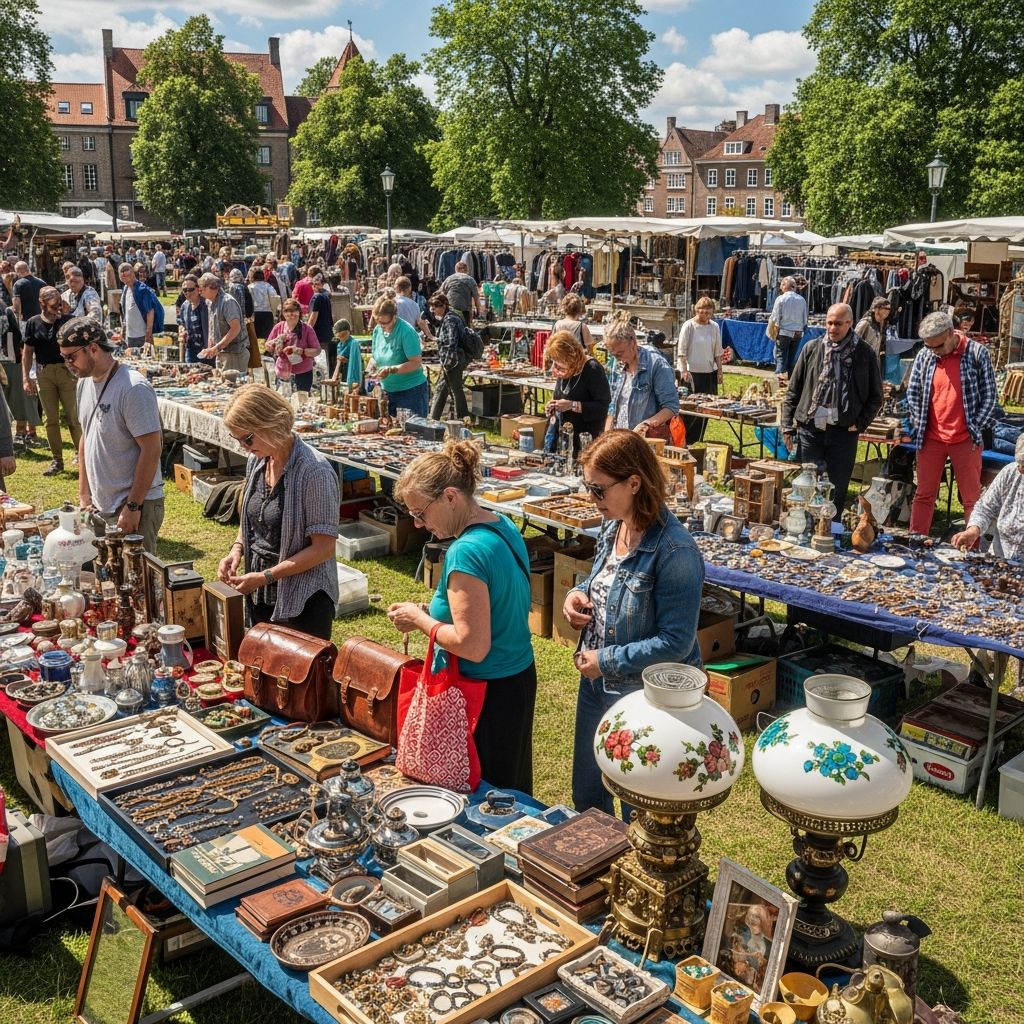
Flea markets have become beloved destinations for bargain hunters, collectors, and anyone seeking unique items at affordable prices. These vibrant marketplaces bring together vendors and buyers in a dynamic shopping experience that differs significantly from traditional retail environments. Whether you’re a seasoned collector or simply curious about this shopping phenomenon, understanding what flea markets are and how they function can enhance your experience and help you navigate these sprawling venues with confidence.
What Exactly Is a Flea Market?
A flea market is fundamentally a marketplace where vendors gather to sell previously owned, antique, vintage, or collectible merchandise. Unlike conventional stores with permanent locations, flea markets typically operate as temporary or seasonal events, though modern variations now include year-round permanent facilities in some urban centers. The marketplace emphasizes affordable pricing and the opportunity to purchase items at significantly reduced costs compared to retail stores.
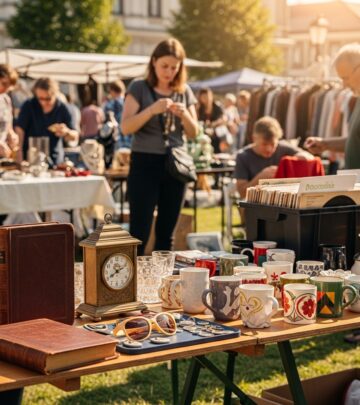
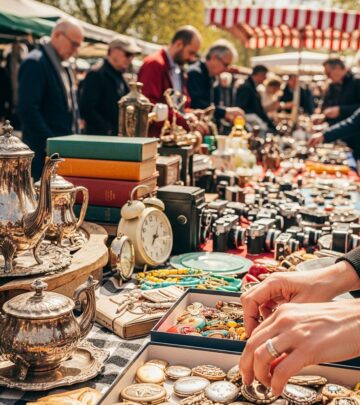
Vendors at these markets range from professional dealers who operate multiple booths to casual hobbyists cleaning out their attics. The merchandise itself varies widely, encompassing everything from genuine antiques and rare collectibles to vintage clothing, furniture, books, electronics, and everyday household items. This diversity creates an environment of discovery where each visit presents new possibilities.
The operational structure of flea markets involves vendors paying a designated fee to secure a booth or stall space for the event’s duration. Organizers handle logistics such as venue arrangement, security, and basic amenities like parking and restroom facilities. In certain jurisdictions, vendors must obtain a seller’s permit or license to operate legally.
Tracing the Historical Roots of Flea Markets
The fascinating history of flea markets begins in 19th-century Paris, a city that transformed the concept of street vending into an established institution. Understanding this history provides context for why these markets remain so significant in contemporary consumer culture.
The Paris Origins and the Name’s Evolution
The term “flea market” originated from the French phrase marché aux puces, which translates literally to “market with fleas”. The name emerged from mid-1800s Paris when impoverished communities sold secondhand goods that were often worn, tattered, and potentially infested with fleas. What began as a derogatory observation about the condition of merchandise eventually became the standard terminology worldwide.
The specific origin story involves Parisian urban renewal in the mid-1800s. During this period, city authorities, under the direction of urban planner Georges-Eugène Haussmann, undertook massive renovation projects that widened boulevards and modernized infrastructure. These construction projects displaced vendors and merchants who had previously operated from fixed storefronts in the narrow alleys of the city center. Rather than disappearing, these enterprising merchants simply relocated outside the city walls to areas where construction was prohibited.
One particularly compelling account describes how crocheteurs—or “hook men”—who had previously scavenged through Paris’s streets and garbage heaps for items to sell, established a gathering spot just beyond the city’s military fortifications. These individuals played a crucial role in recycling textiles and other materials during an era when waste management and garbage collection didn’t exist as organized systems. When visitors witnessed the extensive piles of used goods and worn merchandise, one disgusted observer reportedly exclaimed that it was “nothing but a flea market,” and the phrase resonated with locals and visitors alike.
Establishment and Development
The Paris flea market at Porte de Clignancourt, which includes the famous Saint-Ouen market, became established around 1860. Initially, these were informal arrangements with vendors simply laying out goods on the ground. The market’s popularity grew steadily as bargain hunters discovered exceptional deals on secondhand items that were otherwise unaffordable.
A significant development occurred during the 1920s when a entrepreneur named Monsieur Vernaison, who had previously rented chairs in Parisian public gardens, organized the market more formally by constructing permanent cabin structures. This innovation meant vendors no longer needed to transport their goods to storage facilities each evening, establishing the foundation for a more stable marketplace. The market bearing Vernaison’s name continues to operate as one of Paris’s most famous sections.
Today, the Paris Flea Market represents the world’s largest concentration of antique and secondhand dealers, attracting over 5 million visitors annually. Its success influenced similar marketplaces throughout Europe and eventually globally.
The American Flea Market Movement
While Paris pioneered the concept, the United States developed its own flea market culture. The first officially recognized American flea market was established by antique dealer Russell Carrell in 1958 in Salisbury, Connecticut. Carrell’s market catered to postwar upper and middle-class collectors with discretionary income to spend on exotic items and quality antiques—a different demographic from the poverty-driven vendors of Paris’s origins.
The American flea market concept expanded dramatically during the 1960s and 1970s as organizers recognized a lucrative business model. They began systematizing the events by charging vendors standardized fees to cover venue costs, security, and facilities. This professional approach helped legitimize flea markets as organized retail events rather than informal street gatherings.
The growth spread from rural areas to urban centers, with cities recognizing the economic potential of these markets. By 1998, the industry had matured sufficiently to establish the National Association of Flea Markets, providing resources and standards for both vendors and buyers.
Modern Flea Market Operations and Formats
Contemporary flea markets operate in two primary formats, each with distinct characteristics and advantages for different participants.
Seasonal and Temporary Markets
Traditional flea markets remain seasonal events, typically occurring on weekends or specific dates throughout the year. These temporary markets operate on vacant lots, fairgrounds, or outdoor parking areas. The seasonal nature reflects historical patterns and practical considerations—outdoor venues are more accessible and comfortable during moderate weather months. Seasonal markets typically feature short-term vendor agreements and lower booth fees, making them accessible to casual sellers.
Formal Year-Round Operations
A modern development distinguishes between formal markets with fixed locations, permanent structures, and year-round operation, versus casual markets with seasonal scheduling and temporary arrangements. Formal markets often occupy dedicated commercial spaces with roof coverage, climate control, and permanent vendor stalls. These venues operate continuously, allowing regular customers to visit predictably and vendors to maintain consistent locations. The stability of formal markets typically results in higher booth fees but provides vendors with steady customer traffic and professional infrastructure.
What You’ll Find at Flea Markets
The merchandise variety at flea markets reflects the diverse inventory of secondhand commerce. Understanding categories helps shoppers navigate effectively:
- Antiques and Collectibles: Genuine vintage items, rare collectibles, and objects valued for historical significance or scarcity
- Furniture: Used household furnishings ranging from functional pieces to valuable vintage or antique designs
- Vintage Clothing and Accessories: Period garments, designer pieces, and fashion items from previous decades
- Electronics and Technology: Used computers, audio equipment, and vintage tech devices
- Books and Media: Used books, vinyl records, DVDs, and other media formats
- Home Décor: Decorative items, artwork, kitchenware, and household accessories
- Tools and Equipment: Used hand tools, power tools, and specialty equipment
- Jewelry and Accessories: Watches, jewelry, handbags, and personal accessories
The Sustainability Angle
Modern flea markets increasingly appeal to environmentally conscious consumers. The emphasis on secondhand commerce directly addresses sustainability concerns by extending product lifecycles and reducing waste. Instead of discarding used items, vendors and buyers participate in circular economy practices that combat climate change and challenge fast fashion industry models. This environmental dimension has elevated flea markets beyond mere bargain shopping to ethical consumption alternatives.
Global Flea Market Variations
Flea markets exist worldwide with regional variations reflecting local cultures and merchandise traditions. Notable examples include Istanbul’s Grand Bazaar with its fine rugs and hand-painted illuminated lamps, and Thailand’s Damnoen Saduak Floating Market, which operates literally on a barge and attracts weekend shoppers. Each region’s markets developed unique characteristics based on local commerce traditions and customer preferences.
Essential Tips for Flea Market Success
For Buyers
- Arrive Early: The best merchandise and most selection typically appear in the morning hours before popular items are purchased
- Bring Cash: Many vendors prefer or exclusively accept cash payments, and having currency allows for negotiation
- Inspect Items Thoroughly: Examine merchandise carefully for defects, damage, or functionality issues since flea market purchases are typically final
- Know Your Values: Research comparable prices for items you’re seeking to recognize genuine deals versus inflated pricing
- Negotiate Respectfully: Many vendors expect some price negotiation, particularly for higher-priced items or bulk purchases
- Bring a Vehicle or Assistance: Plan transportation for larger purchases you might find
For Sellers
- Select Quality Merchandise: Offer items in good condition; damaged or unusable goods deter serious buyers
- Price Competitively: Research comparable items to set attractive prices that encourage sales while maintaining profit
- Organize Displays: Create visually appealing booth arrangements that make merchandise easy to browse
- Be Accommodating: Reasonable flexibility on pricing and willingness to accept negotiations often results in more sales
- Provide Information: Share knowledge about items’ condition, age, or background—detailed information builds buyer confidence
- Secure Permits and Licenses: Comply with local regulations regarding seller permits where required
Common Questions About Flea Markets
Are flea markets legal?
Yes, flea markets are legal commercial events. However, regulations vary by location. Some jurisdictions require vendors to obtain seller’s permits or licenses. Market organizers typically ensure compliance with local zoning, tax, and vendor regulations. It’s important to verify specific requirements in your area before participating as a seller.
Why are they called flea markets if there are no fleas?
The name reflects historical origins when secondhand merchandise was often in poor condition and potentially infested. The term persisted even as markets evolved to offer quality merchandise. Today it’s simply traditional terminology rather than an accurate description of market conditions.
How much do vendors pay to participate?
Booth fees vary significantly based on market size, location, and vendor demand. Seasonal markets typically charge less than year-round formal markets. Fees might range from modest amounts for small temporary markets to several hundred dollars for premium spots at major established venues.
What’s the difference between flea markets and swap meets?
The terms are often used interchangeably. Swap meets emphasize the exchange of merchandise between participants, while flea markets emphasize vendor-to-customer sales. The distinction is somewhat regional, with swap meet terminology more common in certain areas.
Can I find valuable items at flea markets?
Yes, genuine antiques and valuable collectibles regularly appear at flea markets. Success requires knowledge about what you’re seeking, careful inspection, and patience. Many experienced collectors have discovered significant treasures at flea markets.
Conclusion
Flea markets represent a unique retail phenomenon that bridges commerce, community, and sustainability. From their humble origins in 19th-century Paris as marketplaces for displaced vendors and used goods, they’ve evolved into sophisticated commercial operations found worldwide. Whether you approach them as a bargain hunter seeking deals, a collector searching for rare items, or someone committed to sustainable consumption practices, flea markets offer something distinctly different from conventional shopping experiences. Understanding their history, operations, and culture enriches participation and increases success in finding exactly what you seek.
References
- Flea Market | Definitions, History, & Facts — Britannica. https://www.britannica.com/topic/flea-market
- Flea Market — Wikipedia. https://en.wikipedia.org/wiki/Flea_market
- History of the Flea Market — Paris Flea Market. https://www.paris-flea-market.com/history-of-the-flea-market/
- Why is it Called a Flea Market? The Meaning and Origin — YouTube Educational Content. https://www.youtube.com/watch?v=j5RctKh-Jis
- A History of the Flea Market — Shore Home & Garden Magazine, August 2, 2022. https://shorehomeandgarden.com/2022/08/02/a-history-of-the-flea-market/
Similar Articles








Read full bio of medha deb