Understanding Financial Literacy: Build Wealth & Security
Master the essential money management skills to achieve lasting financial independence and security.

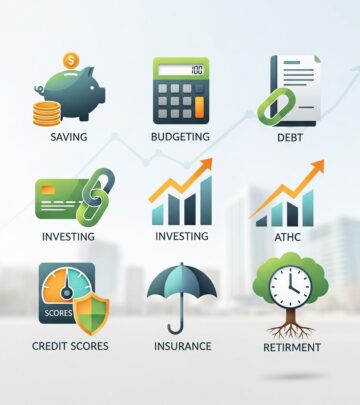
Financial literacy represents the foundation of sound money management and long-term economic stability. It encompasses the knowledge, skills, and confidence needed to navigate financial decisions effectively and build a secure future. Whether you’re just starting your financial journey or seeking to strengthen your monetary habits, understanding financial literacy is the critical first step toward achieving your financial aspirations.
Defining Financial Literacy and Its Importance
Financial literacy is fundamentally about understanding the principles that govern personal finance and possessing the ability to apply this knowledge to real-world situations. It involves grasping key concepts such as budgeting, credit management, saving strategies, borrowing responsibly, investing wisely, and protecting your assets from financial risks.
The importance of financial literacy cannot be overstated. When you develop strong financial literacy skills, you gain the confidence and knowledge necessary to make informed decisions about your money. This capability directly translates into improved financial well-being, reduced stress about money matters, and greater control over your economic destiny. Individuals with solid financial literacy are better equipped to avoid costly financial mistakes, build wealth systematically, and achieve both short-term and long-term financial objectives.
The Five Core Pillars of Money Management
Financial literacy rests on five fundamental principles that work together to create a comprehensive approach to managing your finances:
- Earning: Understanding how to generate income from various sources, including career advancement, side ventures, and investment returns. Maximizing your earning potential is the foundation upon which all other financial activities depend.
- Saving and Investing: Developing strategies to set aside portions of your income for future use and growing your wealth through strategic investments. This pillar emphasizes the power of compound interest and the importance of starting early.
- Borrowing and Debt Management: Learning to use credit responsibly, understanding loan terms, and managing debt effectively to maintain financial health.
- Spending Strategically: Creating a spending plan that aligns with your values and priorities, ensuring that your expenditures support rather than hinder your financial goals.
- Protecting Your Assets: Taking measures to safeguard your money and possessions through insurance, fraud prevention, and risk management strategies.
Building a Foundation Through Budgeting
Budgeting serves as the cornerstone of financial literacy because it provides clarity about where your money goes each month. A budget is essentially a spending plan that helps you track income and expenses, identify unnecessary spending, and allocate resources toward your priorities.
Several budgeting approaches exist, each suited to different financial situations and personal preferences:
| Budgeting Method | Description | Best For |
|---|---|---|
| 50/20/30 Method | Allocate 50% of take-home income to needs, 30% to wants, and 20% to savings | Those seeking a straightforward percentage-based approach |
| Zero-Based Budgeting | Account for every dollar by subtracting all expenses and savings from income, reaching zero | Those wanting intentional spending control |
| Envelope Method | Assign specific amounts to different expense categories using physical or digital envelopes | Those who prefer visual, category-based organization |
Implementing a budget provides multiple benefits: it prevents overspending on non-essential items, creates opportunities for savings, helps you track progress toward financial goals, and reveals spending patterns you may not have noticed otherwise.
The Power of Saving and Investing
Saving represents a critical component of financial literacy, yet many individuals struggle with setting money aside regularly. Effective saving begins with defining clear, measurable savings goals—whether saving for an emergency fund, a down payment on a home, or retirement.
Multiple saving vehicles are available to meet different objectives:
- High-yield savings accounts for emergency funds and short-term goals
- Retirement accounts (401k, IRA) for long-term wealth building
- Investment portfolios for those seeking growth beyond savings account interest rates
- Money market accounts for those balancing accessibility with competitive returns
Understanding compound interest is essential to maximizing your savings and investments. Compound interest—essentially interest earned on your interest—can significantly accelerate wealth growth over time. Starting to save and invest early, even with modest amounts, allows compound interest to work in your favor over decades, substantially increasing your financial resources.
Managing Credit and Debt Effectively
Credit literacy forms a vital component of overall financial literacy. Your credit score reflects your financial behavior and influences your ability to borrow money, the interest rates you receive, and even employment opportunities in some cases.
Key factors affecting your credit score include:
- Payment history—demonstrating consistent, on-time payments
- Amounts owed—keeping credit utilization low relative to available credit
- Length of credit history—showing sustained responsible credit use over time
- Credit mix—maintaining different types of credit accounts
- New credit inquiries—minimizing applications for new credit
Building a positive credit history requires discipline: make payments on time, maintain low credit card balances, avoid unnecessary new credit, and regularly monitor your credit reports for errors or signs of fraud.
Understanding Risk and Protection Strategies
Financial literacy includes recognizing and managing risk—your exposure to potential danger, harm, or financial loss through transactions and investments. Risk management protects your assets and financial well-being through several mechanisms:
- Insurance Coverage: Obtaining appropriate insurance (health, auto, home, life) shields you from catastrophic financial losses
- Identity Theft Prevention: Safeguarding personal information and monitoring accounts protects against fraud and unauthorized access
- Emergency Funds: Maintaining reserves equal to three to six months of expenses provides a financial buffer against unexpected challenges
- Fraud Awareness: Understanding common scams and fraudulent practices helps you avoid schemes that target unsuspecting individuals
Key Skills for Making Sound Financial Decisions
Beyond understanding specific financial topics, financial literacy develops essential skills that apply across all money management scenarios:
- Critical Thinking: Evaluating the consequences of financial decisions and ensuring they align with your personal values and circumstances
- Information Literacy: Finding, evaluating, and using reliable financial information and resources for informed decision-making
- Goal Setting: Establishing clear, measurable financial objectives and developing actionable plans to achieve them
- Problem-Solving: Identifying financial challenges and developing practical solutions tailored to your situation
Frequently Asked Questions About Financial Literacy
What are the main components of financial literacy?
The main components include budgeting and spending planning, saving and investing strategies, credit and debt management, understanding risk and protection, and earning income management. Together, these components enable comprehensive personal finance management.
Why is financial literacy important?
Financial literacy provides the knowledge and confidence necessary to make informed financial decisions, avoid costly mistakes, build wealth systematically, and achieve financial goals. It directly impacts your financial security, stress levels, and overall quality of life.
Can I improve my financial literacy at any age?
Absolutely. Financial literacy is not limited by age. Regardless of whether you’re in your twenties or sixties, developing financial knowledge and skills can immediately improve your financial situation and future prospects.
What resources are available for learning financial literacy?
Numerous resources exist, including educational websites, books, courses, financial institutions’ learning centers, non-profit credit counseling services, and personal finance podcasts. It’s important to learn from trustworthy, credible sources.
Taking Action: Your Financial Literacy Journey
Developing financial literacy is not a destination but an ongoing journey of learning and improvement. Starting today, you can begin implementing these principles: assess your current financial situation, create a budget, establish an emergency fund, educate yourself about credit management, and set meaningful financial goals.
The benefits of financial literacy extend beyond money—they encompass peace of mind, reduced financial stress, increased opportunities, and the freedom to make life choices based on your values rather than financial constraints. By committing to understand and apply these financial principles, you position yourself for long-term prosperity and security.
References
- Financial Literacy: The Guide to Managing Your Money — Annuity.org. Accessed February 2026. https://www.annuity.org/financial-literacy/
- Financial Literacy: 5 Basic Concepts to Know — Capital One. Accessed February 2026. https://www.capitalone.com/learn-grow/money-management/financial-literacy/
- Financial Literacy Education: What It Is & Why It’s Important — BIH Bank. Accessed February 2026. https://www.bihbank.com/financial-literacy-education-what-it-is-why-its-important/
- Financial Literacy — LINCS (Literacy Information and Communication System). U.S. Department of Education. https://lincs.ed.gov/sites/default/files/TSTMFinancLiterBrief-rev-508.pdf
Similar Articles








Read full bio of medha deb