Understanding Federal Student Loans: A Comprehensive Guide
Master the essentials of federal student loans and make informed borrowing decisions

Pursuing higher education often requires financial support beyond what families can provide from savings or current income. Federal student loans have become a cornerstone of education financing in the United States, enabling millions of students to access quality education. However, navigating the world of student loans can feel overwhelming without a clear understanding of how they function, what options exist, and how repayment works. This guide breaks down the essential information you need to make informed decisions about borrowing for education.
What Are Federal Student Loans?
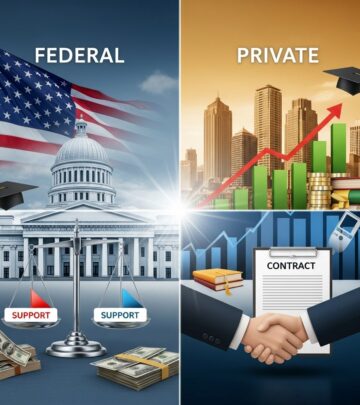
Federal student loans are borrowed funds provided by the U.S. Department of Education to help students pay for postsecondary education expenses. Unlike private loans, federal loans offer standardized terms, flexible repayment options, and borrower protections. These loans must be used exclusively for education-related costs, including tuition, fees, room and board, books, and other qualifying expenses.
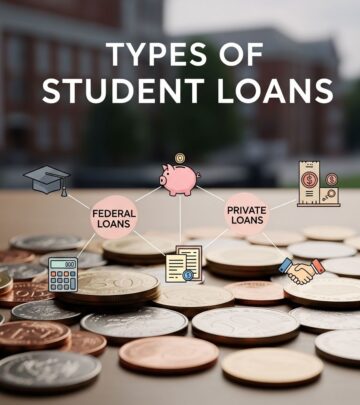
The federal government issues several types of loans to students and parents. Direct Subsidized Loans are available to undergraduate students demonstrating financial need, with the government covering interest while the borrower is in school. Direct Unsubsidized Loans are available to both undergraduate and graduate students regardless of financial need, though interest accrues from the time funds are disbursed. Direct PLUS Loans serve graduate students and parents of dependent undergraduates who need additional funds beyond other federal aid options.
How Interest and Fees Accumulate
Understanding how interest and fees work is critical for borrowers. With subsidized loans, the government pays the interest while you’re enrolled at least half-time, during your grace period, and during authorized deferment periods. Unsubsidized loans accrue interest from the moment they’re disbursed, meaning interest builds up whether or not you’re making payments. When you enter repayment without having paid accumulated interest, that interest can capitalize—being added to your principal balance—which then generates additional interest.
Federal student loans typically have an origination fee, a small percentage of the loan amount deducted before funds are disbursed to your school. This fee covers the cost of processing and servicing the loan. Understanding these costs helps you calculate the true amount you’ll need to repay over time.
The Grace Period and Initial Repayment Considerations
After you leave school, you generally receive a grace period before repayment begins. For most federal loans, this period extends six months after graduation or when you drop below half-time enrollment status. During this time, you’re not required to make payments, though unsubsidized loans continue accruing interest.
The grace period provides a financial cushion as you transition from student life to employment. However, it’s an opportune moment to understand your loan situation, explore repayment plans, and prepare for the payments ahead. Many borrowers find it helpful to use this time to contact their loan servicer, verify their loan balance, and understand their options.
Exploring Your Repayment Plan Options
Selecting an appropriate repayment plan is one of the most significant decisions you’ll make as a federal student loan borrower. The right plan depends on your income level, family size, career prospects, and personal financial goals. Federal law provides several distinct approaches to repayment, each with different payment structures, timelines, and forgiveness possibilities.
Traditional Repayment Approaches
Traditional repayment plans calculate your monthly payment based on the total amount borrowed and the selected repayment timeframe, regardless of your current financial situation.
Standard Repayment represents the default option for federal borrowers. This plan features fixed monthly payments over a 10-year period, providing the fastest path to becoming debt-free. The monthly payment amount remains consistent throughout the repayment period, allowing for predictable budgeting. Most borrowers find this plan manageable if their income is stable and their loan balance is moderate. However, if you’ve borrowed substantial amounts, the monthly payment could exceed what your starting salary allows.
Graduated Repayment accommodates borrowers expecting their income to increase over time. Payments begin at lower levels and increase every two years over the standard 10-year repayment term. This approach proves beneficial for recent graduates entering careers with predictable salary progression, such as teaching or federal service. However, you’ll pay substantially more total interest because early payments don’t cover all accruing interest, causing that unpaid interest to capitalize.
Extended Repayment stretches payments across up to 25 years, available to borrowers with at least $30,000 in qualifying federal loans. This option significantly reduces monthly obligations compared to the standard plan. The trade-off is considerably higher total interest paid due to the extended repayment timeline. Extended repayment offers no forgiveness pathway, meaning you must repay the full loan balance.
Income-Driven Repayment Plans
Income-Driven Repayment (IDR) plans base your monthly payment on your current income and family size rather than loan balance, providing crucial flexibility for borrowers facing financial uncertainty. These plans prove especially valuable if your income is low relative to your debt, if you’re pursuing public service loan forgiveness, or if you anticipate significant income growth in future years.
IDR plans typically calculate payments as a percentage of your discretionary income—the difference between your Adjusted Gross Income (AGI) and 100-150% of the federal poverty guideline for your family size and state. This structure means borrowers earning modest incomes may qualify for substantially reduced payments, including potentially zero-dollar payments if income is sufficiently low.
Income-Based Repayment (IBR) caps payments at either 10% or 15% of discretionary income depending on when you originally borrowed. Borrowers with older loans typically face 15% calculations with up to 25 years to repayment, while newer borrowers benefit from 10% calculations with 20-year repayment terms. Remaining balance forgiveness occurs after the repayment period, though the forgiven amount may be subject to income taxation.
Pay As You Earn (PAYE) generally offers the lowest payments among IDR options, calculating at 10% of discretionary income over 20 years. However, enrollment restrictions may apply depending on your loan origination date and borrower status. New regulations scheduled for July 1, 2026, will sunset this plan for new enrollments, redirecting borrowers to alternative income-driven options.
Repayment Assistance Plan (RAP) represents the newest income-driven option, becoming available July 1, 2026, as part of recent legislative changes. RAP calculates payments as 1-10% of Adjusted Gross Income over 30 years, with a minimum $10 monthly payment. This plan uses AGI rather than discretionary income, potentially resulting in different payment amounts than legacy IDR plans.
Comparing Repayment Approaches: A Practical Framework
Selecting between repayment plans requires understanding how they compare across key dimensions. Traditional plans work best if you can afford the payments and want to minimize total interest paid. IDR plans serve borrowers needing payment flexibility or pursuing forgiveness pathways. The following comparison highlights important distinctions:
| Feature | Standard Repayment | Income-Driven Plans | Extended Repayment |
|---|---|---|---|
| Repayment Term | 10 years | 20-30 years | Up to 25 years |
| Payment Calculation | Fixed amount based on loan balance | Percentage of discretionary income | Fixed or graduated payments |
| Flexibility | Limited; available through deferment/forbearance | High; adjusts annually with income changes | Limited; set repayment schedule |
| Forgiveness Option | No | Yes; after 20-30 years | No |
| Best For | Stable income; minimizing total interest | Variable income; pursuing forgiveness | Predictable income growth |
Public Service Loan Forgiveness and Forgiveness Programs
One of the most valuable federal student loan benefits is Public Service Loan Forgiveness (PSLF), available exclusively to borrowers working for eligible government agencies, non-profit organizations, or other qualifying public service employers. After making 120 qualifying monthly payments (10 years) while enrolled in an income-driven repayment plan, remaining loan balance is forgiven tax-free.
This program has profound implications for career decisions. Teachers, social workers, nurses, public defenders, and other public servants can pursue forgiveness by ensuring their employer qualifies and their loan servicer processes their payments correctly. The program’s income-driven repayment requirement means public service employees often make substantially lower payments than they would under standard repayment, making debt more manageable throughout their careers.
Beyond PSLF, other forgiveness pathways exist for specific borrower circumstances. Teacher loan forgiveness programs provide cancellation for educators who work in schools serving low-income students. Closed school discharge applies when institutions permanently close while you’re enrolled. Permanent disability discharge releases borrowers who become totally and permanently disabled.
Loan Consolidation and Refinancing Considerations
Borrowers with multiple federal loans may benefit from consolidation, which combines several loans into a single Direct Consolidation Loan with a single servicer and monthly payment. Consolidation simplifies administration and may enable access to certain repayment plans otherwise unavailable for specific loan types. However, consolidation can affect forgiveness eligibility and the loan’s interest rate.
Private refinancing offers another option for borrowers with excellent credit and stable income, allowing them to obtain better interest rates and terms through private lenders. However, refinancing federal loans eliminates access to federal protections, forgiveness programs, and income-driven repayment options. This trade-off makes refinancing appropriate primarily for borrowers confident in their financial stability and uninterested in potential forgiveness benefits.
Deferment and Forbearance: Managing Payment Difficulties
Federal student loans provide protections for borrowers experiencing temporary financial hardship. Deferment temporarily postpones payments for qualifying circumstances such as unemployment, economic hardship, or return to school status. During deferment of subsidized loans, the government covers interest; however, unsubsidized loan interest continues accruing.
Forbearance represents another temporary relief option, allowing borrowers to reduce or suspend payments for up to three years during financial difficulties or for specific circumstances like medical residency. Unlike deferment, interest accrues on all loans during forbearance, potentially increasing your total debt burden.
Both options serve important purposes during life transitions or unexpected financial challenges. However, they extend your repayment timeline and increase total interest paid. Borrowers should exhaust other options—such as switching to income-driven repayment—before pursuing deferment or forbearance.
Important Policy Changes Coming in 2026
Significant regulatory changes are taking effect July 1, 2026, reshaping the federal student loan landscape. Several legacy income-driven plans—including Pay As You Earn and Income-Contingent Repayment—will become unavailable for new enrollments. Existing borrowers on these plans can remain unless they take out new loans, but they’ll eventually transition to the new Repayment Assistance Plan or other available options.
Additionally, the new tiered standard repayment plan adjusts repayment term based on total debt balance, extending timelines for borrowers with larger loan amounts. Borrowers with substantial debt should monitor their servicer communications and plan ahead for potential plan transitions.
Frequently Asked Questions
Can I change repayment plans after starting one?
Yes. Federal law permits borrowers to change repayment plans at any time without penalty. This flexibility proves valuable if your financial situation changes significantly or you want to pursue a different strategy for reaching your goals.
What happens if I can’t afford my payments?
Contact your loan servicer immediately. Options include switching to income-driven repayment (which usually reduces payments substantially), requesting deferment or forbearance, or exploring income-driven plans that may result in zero-dollar payments if your income is sufficiently low.
Will my federal loans be forgiven if I don’t repay them?
Forgiveness is available only through specific programs: PSLF after 10 years of public service, income-driven forgiveness after 20-30 years, teacher loan forgiveness, or discharge due to specific circumstances like school closure or disability. Standard forgiveness requires meeting all program requirements and making qualifying payments.
Should I refinance my federal student loans?
Refinancing makes sense if you have excellent credit, stable income, and no plans to pursue forgiveness or income-driven repayment. If you anticipate career changes, potential periods of reduced income, or want access to federal protections, maintaining federal loans is typically preferable despite potentially higher interest rates.
Making Your Decision
Choosing how to repay federal student loans represents a significant financial decision affecting your budget and future opportunities for years to come. Take time to understand your total loan amount, your career prospects, and your personal financial priorities. Most borrowers benefit from starting with income-driven repayment if they’re uncertain, which provides maximum flexibility and protection while you establish your career. You can always switch plans later as your circumstances evolve. Contact your loan servicer with questions and use available calculators and resources to model different scenarios specific to your situation.
References
- Student Loan Repayment Plans: Current Options and How They Compare — NerdWallet. 2026. https://www.nerdwallet.com/student-loans/learn/student-loan-repayment-plans
- Repayment Options — Mohela (Missouri Higher Education Loan Authority). 2026. https://www.mohela.com/DL/resourceCenter/repaymentPlans.aspx
- Repayment Plans for Federal Student Loans — Association of American Medical Colleges (AAMC). 2026. https://students-residents.aamc.org/financial-aid-resources/repayment-plans-federal-student-loans
- Loan Repayment Basics — U.S. Department of Education, Federal Student Aid. 2026. https://financialaidtoolkit.ed.gov/tk/learn/repayment.jsp
- What Are Your Student Loan Repayment Options? — Citizens Bank Learning Center. 2026. https://www.citizensbank.com/learning/what-are-your-student-loan-repayment-options.aspx
- Loan Repayment Plans — Federal Student Aid, U.S. Department of Education. 2026. https://studentaid.gov/manage-loans/repayment/plans
Similar Articles








Read full bio of medha deb