Understanding Exotic Cars: Performance, Luxury, and Exclusivity
Discover what defines exotic cars and why they captivate enthusiasts worldwide
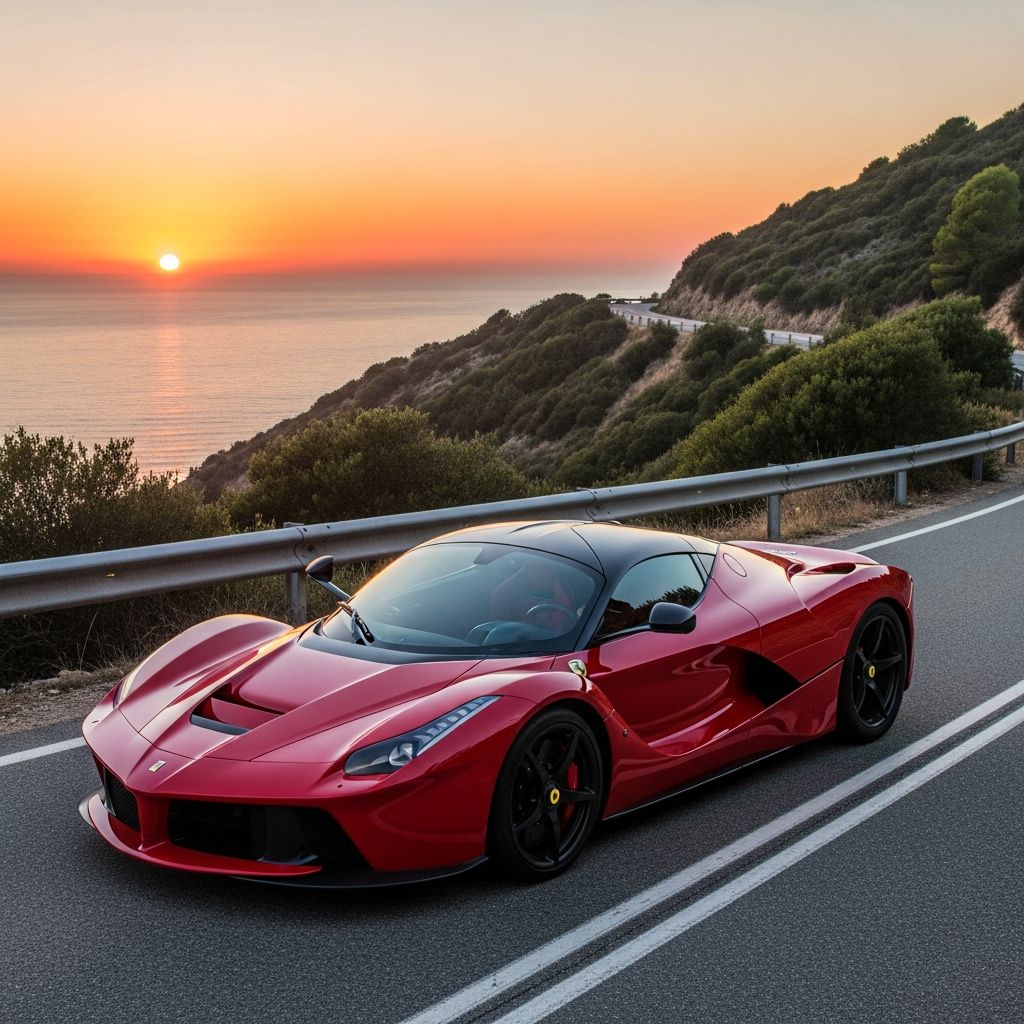
The automotive world contains a special category of vehicles that transcend ordinary transportation—machines engineered to deliver extraordinary experiences. These vehicles command attention through their aesthetic brilliance, technological sophistication, and breathtaking performance capabilities. While many people use the term “exotic car” casually, the definition encompasses specific characteristics that separate these machines from conventional automobiles and even from standard luxury vehicles.
Defining the Exotic Vehicle Category
An exotic car represents a distinct classification within the automotive industry, characterized by a combination of factors that elevate it beyond everyday vehicles. These machines are engineered with an emphasis on maximum performance, incorporating cutting-edge technology, premium materials, and distinctive design elements. Unlike conventional luxury automobiles that prioritize comfort and amenities, exotic cars blend performance excellence with opulent features, creating a unique ownership experience.
The term “exotic” itself can be subjective, as different enthusiasts and manufacturers may emphasize different attributes. However, certain universally recognized characteristics define this category. An exotic vehicle typically features a limited production run, ensuring exclusivity and rarity in the marketplace. This scarcity directly contributes to the vehicle’s prestige and market value, as ownership becomes a marker of distinction rather than mere transportation.
Core Characteristics That Define Exotic Automobiles
Engineering Excellence and Performance Metrics
At the heart of every exotic car lies exceptional engineering designed to push the boundaries of automotive capability. These vehicles feature high-performance engines that produce extraordinary horsepower and torque figures, enabling acceleration and speed capabilities that surpass conventional automobiles. The driving experience delivered by an exotic car encompasses rapid acceleration, precise handling, and responsive steering that provides drivers with complete control and connection to the road.
Modern exotic vehicles incorporate advanced aerodynamic designs that improve both performance and aesthetics. The streamlined bodywork serves dual purposes: reducing drag for improved fuel efficiency at high speeds and generating downforce for enhanced stability during dynamic driving. This integration of form and function represents the pinnacle of automotive design philosophy.
Premium Materials and Construction Methods
The construction of exotic vehicles employs materials that balance weight reduction with structural integrity. Carbon fiber composites, titanium alloys, and lightweight metals such as magnesium and aluminum feature prominently in modern exotic car manufacturing. These advanced materials enable manufacturers to achieve superior performance without excessive weight penalties, directly improving acceleration, braking, and handling characteristics.
Interior appointments reflect the same commitment to excellence found throughout the vehicle. Hand-stitched leather, exotic wood trim, and precisely crafted accents create cabin environments that rival luxury hotels in their refinement. Each component receives individual attention, often completed through specialized handcraftsmanship rather than automated assembly lines.
Design Philosophy and Visual Identity
Exotic cars exhibit distinctive design characteristics that immediately capture attention. These vehicles typically feature angular, sculpted bodywork with low-slung proportions that emphasize their performance capabilities. The silhouettes communicate speed and capability even when stationary, with aggressive lines and strategic curves that guide airflow and create visual drama.
The design approach reflects functional requirements alongside aesthetic objectives. Wide wheel arches accommodate performance tires, while ventilation openings manage thermal loads from high-performance engines. Spoilers, diffusers, and other aerodynamic elements serve genuine technical purposes while contributing to the vehicle’s distinctive visual presence.
Limited Production and Market Exclusivity
Production constraints represent a defining characteristic of the exotic car market. Manufacturers intentionally limit production numbers to maintain exclusivity and preserve market values. This approach differs fundamentally from mass-market automotive production, where manufacturers scale production to meet demand across broad consumer segments.
The limited-production model creates several effects within the automotive ecosystem. Fewer vehicles on the road enhance the owner’s sense of exclusivity and distinction. The scarcity drives demand, positioning these vehicles as investment assets rather than depreciating consumer goods. Many exotic cars appreciate in value over time, particularly limited-edition models or vehicles with historical significance.
Distinguishing Exotic Cars from Luxury Vehicles
An important distinction exists between luxury cars and exotic cars, though these categories frequently overlap. Luxury vehicles prioritize comfort, convenience, and refined appointments, emphasizing the passenger experience through advanced features, superior materials, and technological conveniences. These vehicles deliver exceptional comfort through climate control, advanced infotainment systems, and spacious interiors designed for relaxation.
Exotic cars, by contrast, prioritize performance as their primary objective while incorporating luxury elements as complementary features. Where luxury cars emphasize passenger comfort with expansive interiors and convenient features, exotic cars sacrifice interior space and practical storage to achieve weight reduction and performance optimization. The driver’s focus remains on the connection with the machine and the dynamic driving experience rather than passive comfort.
This fundamental distinction shapes every design decision. Exotic cars feature compact cabins with minimal storage, prioritizing a low center of gravity and optimal weight distribution. Luxury cars provide ample trunk space, rear-seat comfort, and passenger conveniences. A luxury vehicle aims to transport occupants in unparalleled comfort; an exotic car aims to deliver an adrenaline-charged driving experience.
Categories Within the Exotic Segment
Supercars: The Performance Standard
Supercars represent the most common exotic vehicle category, engineered to deliver stunning acceleration and handling capabilities. These machines typically produce engine outputs exceeding 500 horsepower, enabling 0-60 mph acceleration in under 4 seconds. The supercar category includes iconic marques such as Lamborghini, Ferrari, and McLaren, vehicles recognized worldwide for their performance credentials and cultural significance.
Hypercars: The Ultimate Expression
Hypercars push engineering boundaries even beyond supercars, representing the absolute pinnacle of automotive performance technology. These ultra-exclusive machines incorporate experimental technologies, produce over 1000 horsepower, and often feature hybrid propulsion systems combining traditional engines with electric motors. Production numbers for hypercars rarely exceed dozens of units globally, with price tags reaching multiple millions of dollars.
Limited-Edition Performance Vehicles
Manufacturers sometimes release special versions of production vehicles as limited-edition exotic models. These unique vehicles incorporate exclusive materials, enhanced performance modifications, and distinctive styling elements not available in standard models. Limited-edition releases often achieve exotic status through their rarity and unique specifications, even if they share platform architecture with more conventional vehicles.
Historical Evolution and Cultural Significance
The exotic car category has evolved significantly since its inception. Legendary vehicles such as the Lamborghini Miura, introduced in 1966, established many characteristics that define modern exotic cars. The Miura’s mid-engine layout, lightweight construction, and stunning design became the template for performance vehicles that followed.
The Porsche 911, debuted in 1963, demonstrated that performance excellence could be achieved through continuous refinement and engineering innovation. This iconic vehicle has remained in continuous production for over six decades, adapting to technological advancement while maintaining its core performance identity.
The McLaren F1, produced from 1992 to 1998, represented a quantum leap in exotic car engineering. This hypercar incorporated carbon fiber construction, a 7.3-liter V12 engine producing 627 horsepower, and innovative three-seat layout. The F1 established new performance benchmarks and influenced supercar design philosophy for decades.
Ownership Considerations and Practical Implications
Maintenance Requirements and Expertise
Exotic car ownership demands specialized knowledge and expertise. The rare materials, custom components, and sophisticated systems require mechanics with specific training and experience. Routine maintenance costs exceed those of conventional vehicles by substantial margins, as parts availability remains limited and labor-intensive customization often becomes necessary.
Specialized service facilities may require vehicles to travel considerable distances for necessary work. Many exotic car owners maintain relationships with dedicated service centers specializing in their particular marques, accepting the inconvenience as a prerequisite of ownership.
Insurance and Financial Considerations
The acquisition cost of exotic vehicles represents only the initial financial commitment. Insurance premiums reflect the vehicle’s value and replacement costs, often requiring specialized coverage designed for exotic and performance vehicles. Storage and security considerations become important factors, as proper vehicle protection requires appropriate facilities.
Driving Experience and Practical Usage
Operating an exotic car delivers a unique experience fundamentally different from conventional automobile operation. The responsive steering, powerful acceleration, and agile handling create an intimate connection between driver and machine. Every aspect of the driving experience—engine response, transmission shifts, suspension feedback—communicates the vehicle’s performance capabilities directly to the driver.
However, exotic cars often present practical limitations. The low-slung seating position and aggressive aerodynamics can compromise visibility in daily driving situations. Limited interior space accommodates only the driver and one passenger comfortably. The firm suspension tuned for performance may sacrifice ride comfort during extended highway driving. Many exotic car owners acknowledge these limitations as acceptable tradeoffs for the unmatched driving experience.
The Status and Prestige Factor
Exotic cars function as powerful status symbols within society, signifying wealth, discerning taste, and appreciation for automotive excellence. The visibility of these vehicles on public roads attracts attention and admiration, reinforcing their cultural significance. Ownership connects individuals to a distinguished community of enthusiasts and collectors who share passion for automotive performance.
This prestige extends beyond mere economics. Ownership of a recognized exotic car brand demonstrates knowledge of automotive engineering, commitment to driving excellence, and appreciation for craftsmanship and design. The vehicle becomes a personal statement reflecting the owner’s values and aspirations.
Investment Potential and Market Dynamics
Unlike conventional automobiles that depreciate rapidly following purchase, many exotic cars appreciate in value over time. Certain limited-edition models, particularly those with historical significance or exceptional rarity, have demonstrated substantial value increases in the secondary market. The combination of limited production, enduring desirability, and cultural significance creates conditions favorable for value appreciation.
The collector car market recognizes exotic vehicles as legitimate investment assets. Auction houses regularly feature exotic cars, with rare examples commanding premium prices. This investment potential attracts collectors and enthusiasts who view exotic car ownership through financial lenses alongside pure passion considerations.
Common Misconceptions About Exotic Cars
Several widespread misconceptions cloud understanding of the exotic car category. Many people assume all exotic cars must be limited-edition vehicles, though vehicles can achieve exotic status through other mechanisms such as superior performance capabilities or historical significance. Others believe exotic vehicles must originate from specific countries or achieve particular horsepower thresholds, assumptions unsupported by industry standards.
The reality encompasses greater flexibility and nuance. Vehicles achieve exotic status through combinations of factors: exceptional performance, rare materials, distinctive design, limited availability, or cultural significance. No rigid formula exists; rather, exotic cars represent a collective category where specific attributes combine to create vehicles that transcend ordinary transportation.
The Future of Exotic Automobiles
The exotic car segment continues evolving as manufacturers incorporate emerging technologies. Electric propulsion systems, hybrid powertrains, and advanced autonomous features begin appearing in exotic vehicles, challenging traditional definitions while maintaining performance emphasis. Manufacturers balance environmental considerations with enthusiast expectations, seeking solutions that preserve the exotic driving experience while adapting to changing technological and regulatory landscapes.
The exotic car category will likely remain a distinct segment within automotive manufacturing, continuing to attract passionate enthusiasts willing to invest in extraordinary machines that deliver uncompromised performance and distinctive experiences.
Frequently Asked Questions
- What is the minimum price for an exotic car?
- Entry-level exotic vehicles begin around $200,000 to $300,000, though many exceed this range. Hypercars and ultra-exclusive models command prices in the millions.
- How many exotic cars are produced annually?
- Production numbers vary dramatically by manufacturer and model. Limited-edition supercars might see hundreds of units produced annually, while hypercars may be limited to dozens of examples worldwide.
- Can older vehicles be considered exotic?
- Yes, vehicles achieve exotic status through historical significance, technological innovation for their era, or cultural importance, regardless of age. Classic and vintage vehicles often command exotic classification.
- Are exotic cars practical for daily driving?
- While technically capable of daily use, most exotic cars sacrifice practicality for performance. Limited storage, firm suspension, and high fuel consumption make them less suitable for routine commuting compared to conventional vehicles.
- What distinguishes exotic cars from sports cars?
- Sports cars emphasize performance capabilities but typically maintain greater practicality and higher production volumes. Exotic cars prioritize maximum performance and exclusivity, often pushing technological boundaries beyond sports car parameters.
References
- What is an Exotic Car? — Tampa Auto Gallery. Accessed February 6, 2026. https://www.tampaautogallery.com/blog/what-is-an-exotic-car-tampa-auto-gallery-explains
- The Ultimate Dream: Exploring the Allure of Exotic Cars — Drive Lux Motors. Accessed February 6, 2026. https://driveluxmotors.us/the-ultimate-dream-exploring-the-allure-of-exotic-cars/
- What Makes an Exotic Car? — iLusso. Accessed February 6, 2026. https://www.ilusso.com/news/what-makes-an-exotic-car/
- What Makes a Car Exotic? — Rosso Service. Accessed February 6, 2026. https://www.rossoservice.com/blog/what-makes-a-car-exotic
- Exotic vs. Luxury Cars — Washington Exotics. Accessed February 6, 2026. https://www.washingtonexotics.com/exotic-vs-luxury-cars.html
- What Is Considered an Exotic Car? — Advantage. Accessed February 6, 2026. https://advantage.com/blog/what-is-an-exotic-car/
Similar Articles








Read full bio of medha deb