Understanding Engine Torque: A Complete Guide
Learn how torque powers your vehicle and why it matters for performance.
When shopping for a new vehicle, you’ll encounter two critical performance metrics: horsepower and torque. While horsepower often captures the spotlight in marketing campaigns, torque represents the actual twisting force that enables your engine to accomplish work. Understanding this fundamental concept helps you make informed decisions about which vehicle best suits your driving needs, whether you’re navigating city streets or towing heavy loads.
Defining Torque: The Foundation of Engine Performance
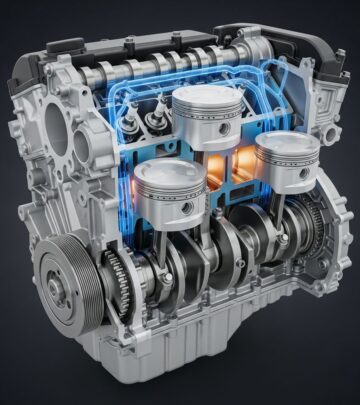
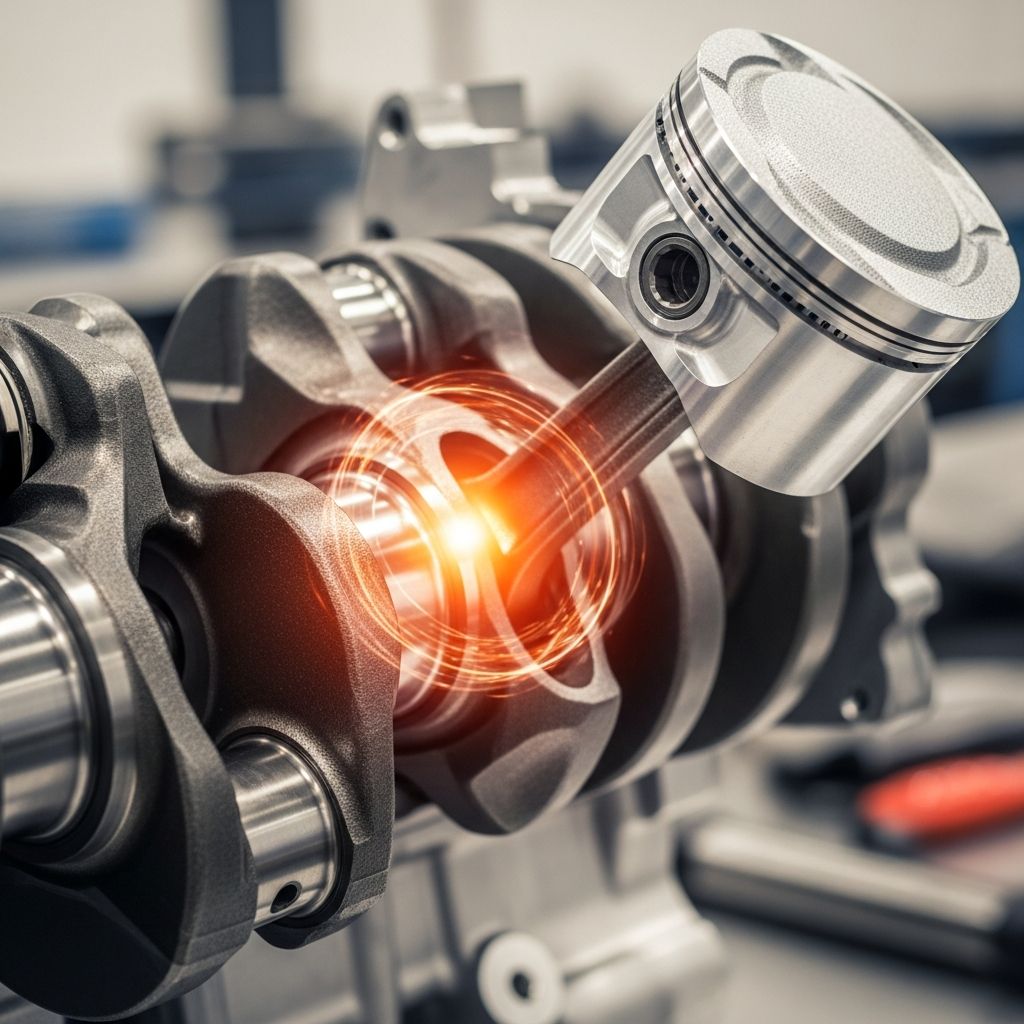
At its core, torque is a twisting force that measures an engine’s rotational capability. Think of it as the force applied to rotate or twist an object around a fixed point. In automotive applications, torque represents the turning force generated by your engine’s crankshaft as pistons move up and down within the cylinders.
The concept becomes clearer with a practical analogy. Imagine using a wrench to loosen a stubborn bolt. The force you apply to the wrench handle creates a twisting action on the bolt—that’s torque in action. The amount of torque you generate depends on two factors: the force you exert and the distance from the point of rotation where you apply that force.
How Torque Gets Measured in Vehicles
Unlike horsepower, which uses standardized units of horsepower (hp), torque measurements employ pound-feet (lb-ft) or newton-meters in different regions. This measurement system directly reflects the practical example of applying force to a lever.
If you apply one pound of force to the end of a one-foot wrench, you’re generating one pound-foot of torque. Increase the force to ten pounds, and you’ve doubled the torque to ten pound-feet. Alternatively, using a longer wrench amplifies torque without increasing the force applied.
Most production vehicles generate between 100 and 400 lb-ft of torque, though specialized vehicles like pickup trucks often exceed these ranges significantly. For reference, the lug nuts securing your vehicle’s wheels typically require approximately 100 lb-ft of torque to achieve proper tightness.
The Mechanics: How Engines Generate Torque
Understanding torque production requires examining internal engine mechanics. Within your engine’s cylinders, pistons reciprocate continuously—moving up and down in synchronized patterns. This linear motion transfers to the crankshaft, converting vertical movement into rotational force.
The crankshaft’s design is crucial to this process. Its offset configuration means pistons apply force at a distance from the rotation axis. This geometric relationship between the force applied by the piston and its distance from the crankshaft’s center produces the twisting motion that becomes torque.
Torque output varies depending on several design variables:
- Engine displacement (total cylinder volume)
- Engine design and configuration (inline, V-shaped, opposed pistons)
- Fuel type and combustion efficiency
- Intake and exhaust system design
- Engine RPM (revolutions per minute)
These variables explain why different engines produce vastly different torque outputs. A high-performance V8 engine might generate 400+ lb-ft, while a compact four-cylinder produces considerably less.
Torque Across the RPM Range
Torque production isn’t constant throughout an engine’s operating range. Most internal combustion engines deliver maximum torque within a specific RPM band, typically between 2,000 and 5,000 RPM for conventional vehicles. This is why torque curves—graphs showing torque output at different engine speeds—are essential specifications for understanding vehicle capability.
Below this optimal range, combustion efficiency is lower, reducing torque output. Above it, mechanical friction and valve timing constraints diminish the twisting force available. Electric motors behave differently, delivering peak torque nearly instantaneously from zero RPM, which explains the impressive acceleration of electric vehicles.
The Relationship Between Torque and Horsepower
While torque and horsepower are distinct measurements, they’re mathematically interconnected. The fundamental relationship is expressed as:
Horsepower = (Torque × RPM) ÷ 5,252
This equation reveals something essential: horsepower is fundamentally torque multiplied by speed. You cannot generate horsepower without torque. An engine might produce tremendous torque at low speeds but relatively modest horsepower if it doesn’t spin fast enough. Conversely, high-RPM engines achieve significant horsepower through the speed at which they apply moderate torque.
To illustrate: suppose an engine produces 300 lb-ft of torque at 3,000 RPM. Using the formula: (300 × 3,000) ÷ 5,252 = approximately 171 horsepower. If that same engine maintains 300 lb-ft at 5,000 RPM, horsepower increases to roughly 286 hp. The torque hasn’t changed, but the faster application rate generates more horsepower.
Practical Applications: When Torque Matters Most
While horsepower measures overall performance capability, torque directly correlates with an engine’s ability to accomplish physical work. Understanding where torque plays the primary role helps explain vehicle design choices:
Acceleration and Launch
Initial acceleration relies heavily on torque. When starting from a standstill, engine speed is low, so horsepower is minimal. The twisting force of torque determines how quickly your vehicle can begin moving, especially when carrying heavy loads.
Towing and Hauling
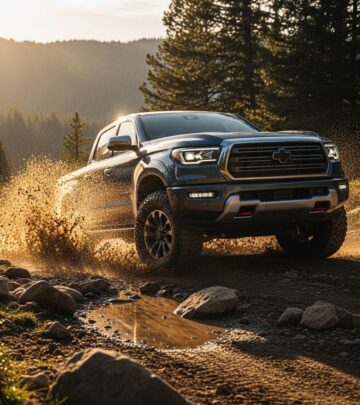
Pickup trucks prioritize torque because they’re designed to pull trailers and carry heavy cargo. High torque enables vehicles to move weight that would overwhelm low-torque engines. This is why truck manufacturers prominently advertise torque specifications.
Hill Climbing
Ascending steep grades requires sustained twisting force to overcome gravitational resistance. Engines with robust torque delivery maintain power output on inclines where lower-torque engines might struggle.
Gear Selection and Transmission Strategy
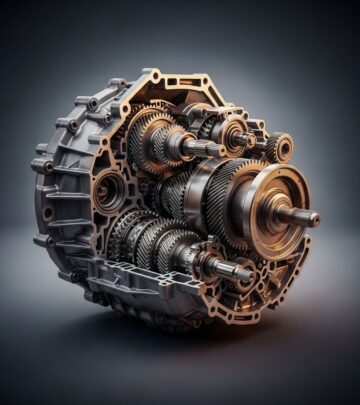
Transmissions manipulate torque through gearing, increasing it at lower speeds and reducing it at higher speeds. Lower gears multiply torque while reducing speed, perfect for starting or climbing. Higher gears reduce available torque but allow higher speeds for highway driving.
Torque in Different Vehicle Types
| Vehicle Type | Torque Characteristic | Primary Use |
|---|---|---|
| Full-Size Pickup Trucks | 350-450+ lb-ft | Towing, hauling, off-road work |
| Mid-Size Sedans | 150-280 lb-ft | Daily commuting, balanced performance |
| Sports Cars | 200-400+ lb-ft | Acceleration, high-speed performance |
| Electric Vehicles | 200-400+ lb-ft instantly | Rapid acceleration, efficiency |
| Compact Cars | 100-200 lb-ft | City driving, fuel efficiency |
Torque in Electric Vehicles: A Different Paradigm
Electric vehicles introduce a fundamentally different torque delivery mechanism. While traditional combustion engines require multiple gears to reach top speed, electric motors deliver peak torque essentially instantaneously, from zero RPM. This explains why many electric vehicles offer impressive acceleration despite modest horsepower ratings.
Electric motors produce maximum twisting force immediately upon activation, unlike combustion engines that need to build RPM to reach their optimal torque range. To manage this high torque and prevent excessive wheel spin, electric vehicles employ reducers—transmission-like devices that adjust power delivery for appropriate wheel speed.
Measuring and Testing Torque
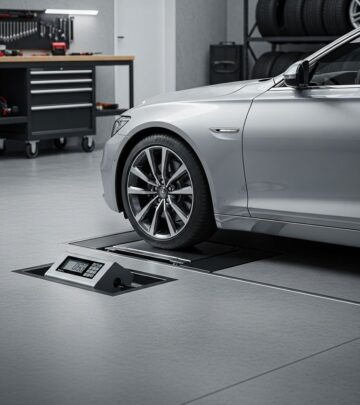
Engineers measure engine torque using a dynamometer, a sophisticated testing device that applies resistance to an engine and measures the force required to restrain it. This process generates a torque curve—a graph showing how torque varies across the entire RPM range from idle to redline.
Torque curves reveal critical performance characteristics. A peak-torque engine with a narrow power band differs significantly from one with a broad, flat torque curve. A flat curve means the engine maintains strong twisting force across varied speeds, while a peaky curve requires drivers to stay within a specific RPM range for optimal performance.
Selecting Based on Torque Requirements
When evaluating vehicles for purchase, consider your primary driving patterns. If you frequently tow, carry heavy loads, or navigate mountainous terrain, prioritize torque availability. Vehicles with higher lb-ft ratings excel at these tasks.
Conversely, if you primarily drive on highways and city streets with modest cargo, lower torque engines may suit your needs while offering better fuel efficiency. Modern transmissions and engine management systems optimize the torque available for various driving conditions.
Common Questions About Engine Torque
What’s the difference between torque and horsepower?
Torque measures the twisting force an engine produces, while horsepower measures how quickly that force can be applied. Torque is capacity; horsepower is rate of work.
Which is more important for my car?
Both matter, but their importance depends on your needs. For towing and heavy hauling, torque is paramount. For overall driving performance and highway speed, horsepower becomes more relevant. Most drivers benefit from adequate levels of both.
Why do electric cars accelerate so quickly?
Electric motors deliver maximum torque instantly, from zero RPM, enabling rapid acceleration from a standstill. Traditional engines require higher RPM to achieve their peak torque and horsepower.
Can I increase my engine’s torque?
Yes, through modifications like turbocharging, supercharging, or engine tuning. However, such modifications may affect reliability and warranty coverage. Consult with professionals before attempting engine modifications.
How does transmission gearing affect torque?
Lower gears multiply the engine’s torque output, providing greater twisting force at the wheels. Higher gears reduce available torque but allow higher speeds. This is why acceleration occurs in lower gears.
The Bottom Line: Torque in Your Daily Drive
Understanding torque transforms how you evaluate vehicle performance. Every time your car accelerates smoothly from a stop, climbs a hill effortlessly, or tows a trailer confidently, you’re experiencing torque in action. This rotational force, measured in pound-feet, represents your engine’s fundamental capacity to accomplish work.
Whether you’re shopping for a compact daily driver or a heavy-duty truck, considering torque alongside horsepower ensures you select a vehicle matched to your actual driving needs. The relationship between these two metrics—where torque serves as the foundation upon which horsepower is built—reveals why both specifications deserve equal attention from informed vehicle buyers.
References
- What is Torque? — Toyota Canada. 2021. https://www.toyota.ca/en/connect/2021/what-is-torque-in-cars/
- Horsepower vs. Torque: What’s the Difference? — Car and Driver. https://www.caranddriver.com/news/a15347872/horsepower-vs-torque-whats-the-difference/
- What Is Torque in a Car? — Kia British Dominica. https://www.kia.com/dm/discover-kia/ask/what-is-torque-in-a-car.html
- Torque — Wikipedia. https://en.wikipedia.org/wiki/Torque
- Horsepower vs Torque – A Simple Explanation — Engineering Explained (YouTube). https://www.youtube.com/watch?v=u-MH4sf5xkY
Similar Articles








Read full bio of medha deb