Understanding Your Employee Benefits: Complete Guide
Master your employee benefits package and maximize your workplace compensation and perks today.

Understanding Employee Benefits: A Comprehensive Guide
Employee benefits represent one of the most valuable aspects of your total compensation package, yet many workers don’t fully understand what benefits they receive or how to maximize them. Beyond your regular salary, employee benefits are forms of non-salary compensation that employers offer to enhance your financial security, health, and overall quality of life. These benefits can significantly impact your financial wellbeing, healthcare coverage, and long-term retirement planning.
Whether you’re starting a new job, reviewing your current benefits during open enrollment, or simply want to better understand what your employer offers, this comprehensive guide will help you navigate the complex world of employee benefits.
What Are Employee Benefits?
Employee benefits are additional forms of compensation beyond your regular paycheck. They represent the tangible value your employer provides to support your wellbeing and financial security. These benefits can take many forms, from healthcare coverage to retirement savings opportunities, paid time off, and various wellness programs.
Benefits serve multiple purposes: they attract and retain talented employees, demonstrate employer commitment to worker wellbeing, and provide essential financial protection during unexpected life events. Understanding your benefits package is crucial because it directly affects your overall earning power and quality of life.
Major Types of Employee Benefits
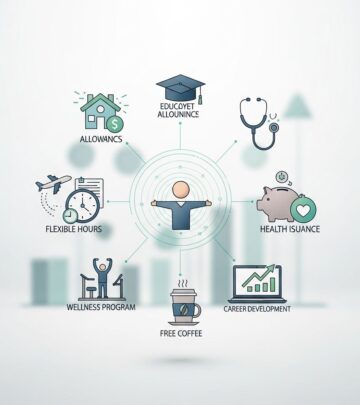
Employee benefits typically fall into several key categories. Understanding each category helps you appreciate the full value of your compensation package and make informed decisions about which benefits to utilize.
Health and Wellness Benefits
Health-related benefits represent one of the most important components of any employee benefits package. These benefits include a range of coverage options designed to protect you and your family’s health:
- Medical insurance: Covers doctor visits, hospital stays, surgeries, and general healthcare expenses
- Dental coverage: Covers preventive care, cleanings, and dental procedures
- Vision insurance: Covers eye exams, glasses, and contact lenses
- Prescription drug coverage: Reduces costs for medications prescribed by your doctor
- Employee Assistance Programs (EAP): Provides confidential counseling and support services
- Mental health services: Covers therapy, counseling, and psychiatric care
- Wellness programs: Includes fitness initiatives, health screenings, and preventive care
Medical insurance is particularly valuable because it protects you from catastrophic healthcare expenses. Many employers offer multiple plan options with different coverage levels and cost-sharing arrangements, allowing you to choose the plan that best fits your needs and budget.
Retirement and Financial Benefits
Retirement benefits help you save and prepare for life after work. Common retirement benefit options include:
- 401(k) plans: Employer-sponsored retirement savings plans where you contribute pre-tax dollars
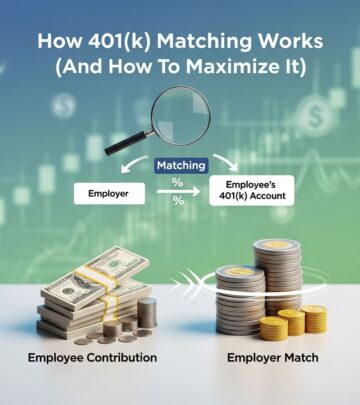
- Employer matching contributions: Employers often match a percentage of your contributions
- Pension plans: Defined benefit plans providing regular retirement income
- Individual Retirement Accounts (IRAs): Tax-advantaged personal retirement savings accounts
- Stock options and RSUs: Opportunities to own company stock as part of compensation
- Performance bonuses: One-time payments based on individual or company performance
- Sign-on bonuses: Initial payments for new employees
These financial benefits are crucial for long-term financial security. Employers who offer matching contributions effectively provide free money for your retirement, making it essential to contribute enough to capture this benefit.
Paid Time Off
Paid time off (PTO) benefits allow you to take time away from work without losing income. This category includes:
- Vacation days: Time for personal relaxation and leisure
- Sick leave: Time for illness or medical appointments
- Personal days: Flexible time for personal matters
- Holidays: Paid days off for national and company holidays
- Parental leave: Time off for new parents
- Bereavement leave: Time off following the death of a family member
- Sabbaticals: Extended leave for personal development or travel
Paid time off is essential for maintaining work-life balance and protecting your mental and physical health. The amount of PTO you receive varies by employer, position level, and tenure.
Insurance and Protection Benefits
Beyond health insurance, employers often provide additional insurance coverage to protect you financially:
- Life insurance: Pays a benefit to your family if you pass away
- Disability insurance: Replaces income if you become unable to work due to injury or illness
- Workers’ compensation: Covers medical expenses and lost wages for work-related injuries
- COBRA: Allows you to continue employer health coverage after leaving your job
These insurance benefits provide critical financial protection during life’s uncertainties. Life insurance and disability coverage ensure your family maintains financial stability if something happens to you.
Work-Life Balance and Flexibility Benefits
Modern employers increasingly recognize the importance of workplace flexibility:
- Flexible work hours: Ability to adjust your work schedule
- Remote work options: Work from home days or full-time remote work
- Compressed work weeks: Working longer hours fewer days per week
- Job sharing: Sharing one position with another employee
Professional Development and Learning Benefits
Employers often invest in employee growth through:
- Tuition assistance: Reimbursement for educational courses and degrees
- Training programs: Professional development and skill-building opportunities
- Conference attendance: Coverage for industry conferences and seminars
- Certification support: Funding for professional certifications
Wellness and Lifestyle Benefits
Employers increasingly offer wellness benefits to support employee health:
- Gym memberships: Free or subsidized fitness club access
- Wellness programs: Health coaching and fitness initiatives
- Nutrition counseling: Access to dietitian services
- Commuter benefits: Pre-tax deductions for transportation costs
- Subsidized meals: Free or discounted food and beverages
Mandatory vs. Voluntary Benefits
Understanding the difference between required and optional benefits helps you appreciate the full value employers provide.
Legally Required Benefits
Certain benefits are mandated by federal and state law:
- Social Security: Federal program providing retirement, disability, and survivor benefits
- Medicare: Federal health insurance program for those 65 and older
- Unemployment insurance: Protection against income loss from job loss
- Workers’ compensation: Coverage for work-related injuries and illnesses
Voluntary Benefits
Beyond legal requirements, employers voluntarily offer additional benefits to attract and retain talent: These include health insurance options, retirement plans beyond minimum requirements, generous paid time off, wellness programs, professional development opportunities, and lifestyle perks like gym memberships or commuter benefits.
How to Maximize Your Employee Benefits
Simply having benefits available isn’t enough—you must actively engage with your benefits package to gain maximum value.
Review During Open Enrollment
Most employers offer an annual open enrollment period when you can enroll in or change benefits. Use this time to carefully review all available options, compare plan features, and select coverage that matches your current needs.
Take Full Advantage of Employer Matching
If your employer matches 401(k) contributions, contribute enough to receive the full match. This is essentially free money for your retirement that you shouldn’t leave on the table.
Understand Your Health Plan Options
Compare deductibles, copays, coinsurance, and out-of-pocket maximums across available plans. Choose a plan that aligns with your expected healthcare needs and financial situation.
Utilize Preventive Care
Take advantage of preventive health services like annual physicals, screenings, and vaccinations typically covered at no cost under most health plans.
Explore Flexible Spending Accounts
If your employer offers flexible spending accounts (FSAs), use them to pay for eligible medical and dependent care expenses with pre-tax dollars, reducing your overall tax burden.
Take Your Paid Time Off
Don’t leave vacation days unused. Taking time off is essential for preventing burnout and maintaining work-life balance.
The Value of Your Employee Benefits Package
Your total compensation includes far more than your salary. When evaluating a job offer or considering your current employment, calculate the full value of your benefits package. On average, employer-sponsored benefits can add 30-40% to your base salary when you account for health insurance, retirement contributions, paid time off, and other perks.
Understanding the true value of these benefits helps you make informed career decisions and appreciate the investment your employer makes in your wellbeing.
Frequently Asked Questions
Q: What are the most common employee benefits?
A: The most common benefits include health insurance (medical, dental, and vision), retirement plans like 401(k)s, paid time off, and life insurance. These core benefits form the foundation of most employer benefit packages.
Q: Can I change my benefits outside of open enrollment?
A: Typically, you can only change benefits during the annual open enrollment period. However, qualifying life events—such as marriage, divorce, birth of a child, or loss of coverage—may allow changes outside this window.
Q: How much should I contribute to my 401(k)?
A: Financial advisors generally recommend contributing enough to capture your employer’s full matching contribution, then working toward saving 10-15% of your gross income for retirement. Start with whatever you can afford and increase contributions over time.
Q: Are employee benefits taxable?
A: Most health insurance contributions and 401(k) contributions are pre-tax, reducing your taxable income. However, some benefits like employer-provided gym memberships or certain wellness programs may be taxable.
Q: What happens to my benefits if I leave my job?
A: You typically lose employer health insurance but can continue coverage through COBRA for up to 18 months. Retirement account balances remain yours and can be rolled over to a new employer plan or personal IRA. Paid time off policies vary by employer and state law.
Q: How do I know what benefits my employer offers?
A: Review your employee handbook, benefits guide, or contact your HR department. Most employers provide detailed information about available benefits during your onboarding process and open enrollment period.
Q: What’s the difference between a high-deductible health plan and a traditional plan?
A: High-deductible plans have lower premiums but higher deductibles, requiring you to pay more out-of-pocket before coverage kicks in. Traditional plans have higher premiums but lower costs when you use healthcare services. Choose based on your expected healthcare needs.
Q: Can I use multiple insurance plans?
A: Coordination of benefits rules generally prevent you from using multiple plans to exceed 100% reimbursement for the same claim. However, if both spouses have employer coverage, both policies can coordinate benefits.
References
- Employee Benefits: Ultimate Guide 2025 — People Managing People. 2025. https://peoplemanagingpeople.com/employee-retention/employee-benefits-guide/
- Employee benefits: A guide for 2025 — Zendesk. 2025. https://www.zendesk.com.mx/blog/employee-benefits/
- Employee Benefits and Types in 2025 – Ultimate Guide — Workhuman. 2025. https://www.workhuman.com/blog/employee-benefits/
- The complete guide to employee benefits — Workstream. https://www.workstream.us/guides/the-complete-guide-to-employee-benefits
- 40 types of employee benefits every company should know — Thatch. https://thatch.com/blog/types-of-employee-benefits
- Our complete guide to employee benefits — Vero HR. https://verohr.co.uk/news/blog/our-complete-guide-to-employee-benefits/
- A Comprehensive Guide to Global Employee Benefits — Thanks Ben. https://www.thanksben.com/resources/guides/global-employee-benefits-guide
Similar Articles








Read full bio of medha deb