Understanding Down Payments for Homebuyers
Discover minimum requirements, loan options, and strategies to make the right down payment choice for your home purchase journey.
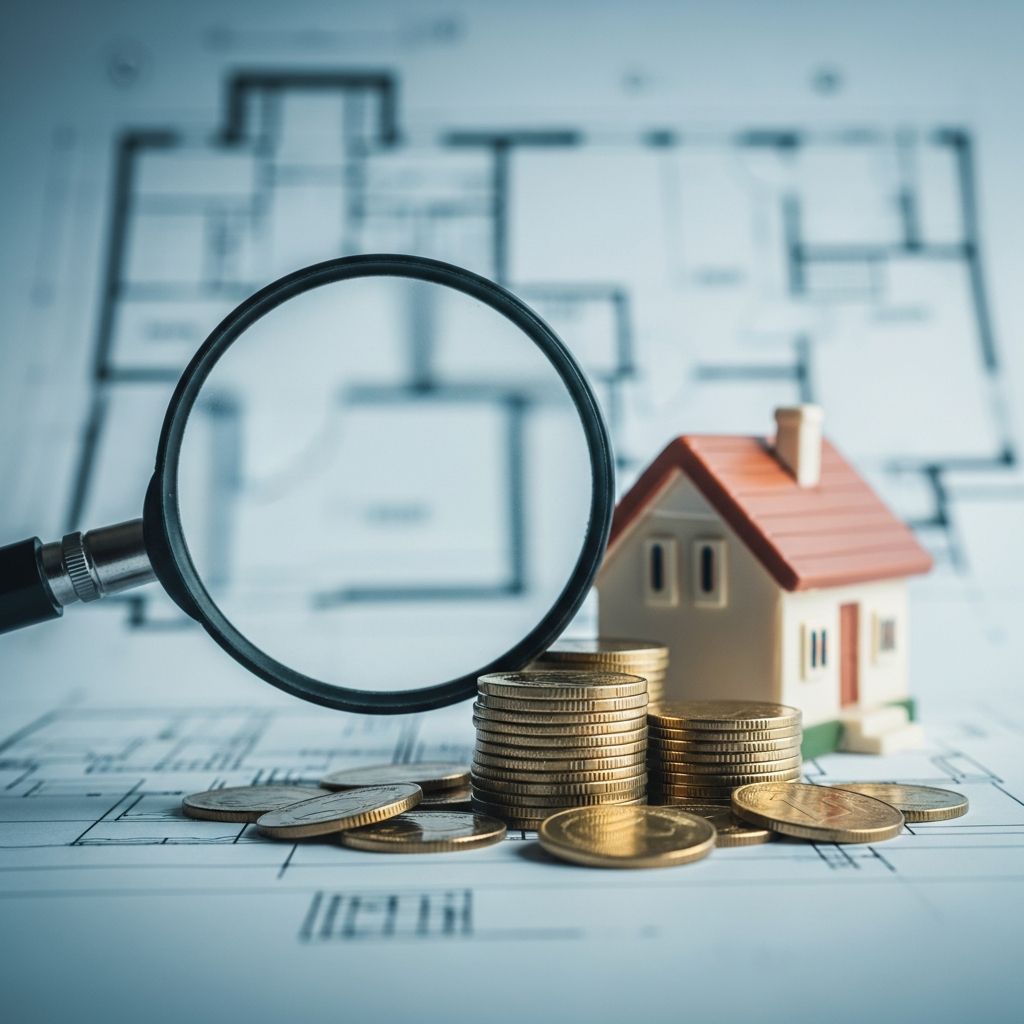
The down payment represents the initial cash investment you make when purchasing a property, directly influencing your mortgage terms, monthly obligations, and overall affordability. Far from a fixed 20% of the home’s price, modern lending options allow contributions as low as 0% for eligible buyers, enabling broader access to homeownership.
Why Down Payments Matter in Property Acquisition
Your down payment establishes immediate equity in the home and reduces the principal amount financed through the mortgage. A larger contribution lowers the loan-to-value ratio, potentially securing better interest rates and eliminating certain insurance costs. Conversely, minimal payments preserve liquidity for emergencies or other investments while still allowing property ownership amid rising values.
Financial experts emphasize balancing this amount against personal circumstances: sufficient reserves post-purchase remain crucial to avoid strain. Data from recent market analyses shows first-time buyers averaging 8-13% down, debunking the outdated 20% necessity myth.
Minimum Down Payment Thresholds by Loan Category
Diverse mortgage products cater to varying financial profiles, each with distinct minimums tied to creditworthiness and property use. The table below summarizes 2026 standards:
| Loan Type | Minimum Down Payment | Key Eligibility Notes |
|---|---|---|
| Conventional | 3% | Available via programs like HomeReady; ideal for scores 620+. |
| FHA | 3.5% (580+ FICO) 10% (500-579 FICO) | Government-backed; requires MIP regardless. |
| VA | 0% | Military service required; no PMI. |
| USDA | 0% | Rural areas; income limits apply. |
| Jumbo | 5-10% | Exceeds conforming limits; stricter underwriting. |
| Investment/Second Home | 10-25% | Higher risk profile demands more equity. |
Conventional loans dominate for buyers with strong credit, offering flexibility in fixed or adjustable rates. FHA options prove popular among newcomers, with over 498,000 first-time uses in 2024 per HUD data, comprising 82.64% of such purchases.
Financial Implications of Your Chosen Amount
Opting for less than 20% triggers private mortgage insurance (PMI) on conventional loans or mortgage insurance premiums (MIP) on FHA, adding $100+ monthly until equity hits 20%. For a $300,000 home at 3% down ($9,000), expect elevated payments versus 20% ($60,000), which yields no insurance and a smaller loan balance.
Consider this affordability comparison for a sample scenario (assuming 6.5% rate, 30-year term):
| Down Payment % | Amount on $300K Home | Monthly P&I | Est. PMI/MIP | Total Monthly |
|---|---|---|---|---|
| 3% | $9,000 | $1,850 | $120 | $1,970 |
| 5% | $15,000 | $1,810 | $110 | $1,920 |
| 10% | $30,000 | $1,710 | $85 | $1,795 |
| 20% | $60,000 | $1,520 | $0 | $1,520 |
Derived from industry calculators, these figures illustrate how incremental increases reduce long-term costs significantly. Yet, depleting savings risks vulnerability; maintain 3-6 months’ expenses in reserves.
Sources to Fund Your Initial Investment
- Savings and Investments: Primary method; liquidate non-retirement assets judiciously to avoid penalties.
- Gift Funds: Family contributions count fully for FHA/conventional; documentation verifies non-repayable nature.
- Down Payment Assistance: State/local grants, often forgivable, target first-timers; check eligibility via HUD resources.
- 401(k) Loans: Borrow up to $50,000 tax-free, repayable via payroll; limits apply to prevent overextension.
- Seller Concessions: Negotiate credits toward closing, indirectly bolstering your cash position.
Creative financing expands access, but verify lender acceptance to prevent delays.
Strategic Considerations for Optimal Sizing
Assess your timeline: Low down payments accelerate entry into appreciating markets, building wealth via equity growth. High earners might prioritize larger sums for rate advantages and PMI avoidance.
Credit plays pivotal: Scores at 580 unlock FHA’s 3.5%, but aim higher for conventional perks. Debt-to-income under 43-45% supports approval across types. Jumbo seekers face elevated barriers due to loan size.
For investment properties, anticipate 20-25% minimums reflecting lender caution on non-owner-occupied risks.
Common Pitfalls and Expert Strategies
Avoid overcommitting: Never drain emergency funds; post-closing liquidity sustains unexpected repairs (average $1,000+ annually). Monitor credit pre-approval—drops below thresholds hike requirements dramatically.
Shop lenders: Rates vary by down payment size; locking early amid 2026 volatility saves thousands. Pre-qualify to gauge realistic budgets accurately.
Frequently Asked Questions
Can I buy a home with no down payment?
Yes, VA and USDA loans permit 0% for qualified veterans/rural buyers, though closing costs apply.
Is 20% down still required?
No; median first-time down payments hover at 9%, with 3% options widespread.
How does credit score affect my minimum?
FHA mandates 3.5% at 580+, 10% below; conventional favors 620+ for lowest thresholds.
What if I can’t afford the minimum?
Explore assistance programs, gifts, or delay purchase while building savings.
Does down payment impact interest rates?
Larger payments often yield better rates by lowering lender risk.
Next Steps Toward Ownership
Calculate affordability using online tools, consult certified advisors, and compare quotes. Tailor your down payment to foster sustainable wealth-building without compromise.
References
- How Much Should You Put Down on a House? | 2026 — The Mortgage Reports. 2026. https://themortgagereports.com/18520/20-percent-downpayment-risk-mortgage-interest-rate
- NEW Conventional Loan Requirements 2026 — YouTube (My Mortgage Insider). 2026. https://www.youtube.com/watch?v=ja99daY_rvA
- 100% Financing Home Loans 2026 (USDA, VA, FHA) — My Mortgage Insider. 2026. https://mymortgageinsider.com/100-financing-home-loans-zero-down-mortgage/
- FHA Loan Down Payment Requirements: 2026 Complete Guide — Amerisave Mortgage. 2026. https://www.amerisave.com/learn/fha-loan-down-payment-requirements-complete-guide-for-homebuyers
- How Much Down Payment Do You Need To Buy A Home in 2026? — Amerisave Mortgage. 2026. https://www.amerisave.com/learn/how-much-down-payment-do-you-need-to-buy-a-home
- FHA Loan Requirements in 2026 — FHA.com. 2026. https://www.fha.com/fha_loan_requirements
Similar Articles








Read full bio of Sneha Tete