Direct Deposit: 4 Key Steps, Benefits, And Setup Tips
Discover how direct deposit simplifies payments, enhances security, and streamlines your financial life with electronic fund transfers.
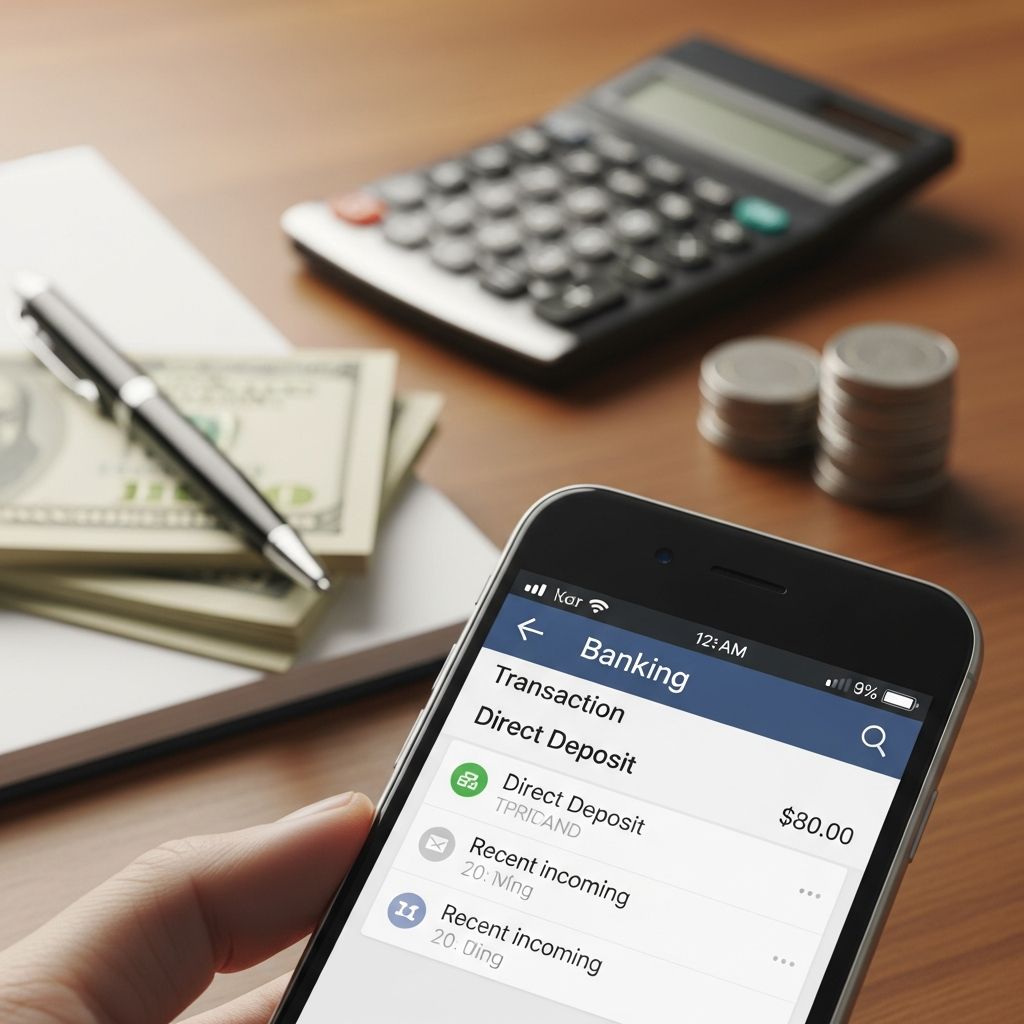
Direct deposit represents a cornerstone of contemporary financial transactions, enabling seamless electronic transfers of funds directly into recipients’ bank accounts. This method has largely replaced paper checks for payroll, government benefits, and refunds, offering speed, reliability, and reduced risk.
The Fundamentals of Electronic Fund Transfers
At its core, direct deposit involves the movement of money from a payer—such as an employer or government agency—to a payee’s designated account without physical instruments. Funds are routed through secure networks like the Automated Clearing House (ACH) in the United States, which processes billions of transactions annually with high efficiency.
The process begins when the payer authorizes the transfer, providing details like the recipient’s account and routing numbers. Banks verify the information, and the ACH network facilitates the debit from the sender’s account and credit to the receiver’s, typically making funds available on or before the scheduled date.
Step-by-Step Breakdown of the Direct Deposit Process
Understanding the workflow demystifies this system and highlights its reliability. Here’s how it unfolds:
- Payroll Initiation: Employers process payroll data 1-2 days prior to payday, submitting electronic instructions to their bank.
- Verification Phase: Banks cross-check account details via the ACH network to ensure validity and sufficient funds.
- Network Processing: The ACH batches transactions and routes them securely between institutions, often completing overnight.
- Account Crediting: Recipient banks post the funds, granting immediate or near-immediate access, bypassing check-clearing delays.
| Phase | Description | Typical Timeline |
|---|---|---|
| 1. Initiation | Employer submits payroll file | 1-2 days before payday |
| 2. ACH Submission | Banks send to network | Same day |
| 3. Processing | Network clears and settles | Overnight or next business day |
| 4. Availability | Funds in your account | Payday morning |
This table illustrates the efficiency, with most users seeing funds by payday morning, far quicker than traditional methods.
Essential Requirements for Enrollment
To participate, individuals must supply precise banking details. Key elements include:
- The bank’s routing number, a nine-digit code identifying the institution.
- Full account number for checking, savings, or other eligible accounts.
- Account type specification to direct funds correctly.
Employers often request a voided check for verification, or digital alternatives via bank portals suffice. Accuracy prevents reversals or delays.
Advantages That Make Direct Deposit Indispensable
Adopting direct deposit yields multifaceted benefits, transforming personal finance management.
Superior Speed and Accessibility
Unlike checks requiring deposit and clearance—which can take days—direct deposits credit accounts promptly. Many banks provide early access, up to two days ahead, aiding cash flow.
Heightened Security Measures
Electronic transfers eliminate risks of loss, theft, or forgery inherent in paper checks. The ACH network employs encryption and fraud detection, making it safer.
Cost Savings and Convenience
No printing, mailing, or deposit trips mean lower costs for businesses and individuals. Recipients avoid fees at ATMs or branches for check cashing.
Automation for Financial Discipline
Splitting deposits—diverting portions to savings or investments—automates wealth-building. For instance, 10% to savings, 5% to retirement, ensures consistent progress without willpower.
Bank Perks and Incentives
Institutions reward direct deposit users with waived fees, higher yields on savings, or premium features, enhancing overall value.
Common Applications Across Payments
Direct deposit extends beyond salaries, powering various recurring payments.
- Payroll: Standard for wages, streamlining employer operations.
- Government Benefits: Social Security, pensions, and unemployment via U.S. Treasury’s EFT system.
- Tax Refunds: IRS defaults to direct deposit for fastest delivery.
- Other: Dividends, insurance payouts, and vendor payments.
For federal payments, enrollment occurs through secure portals like GoDirect, ensuring compliance and speed.
Navigating Setup with Employers and Agencies
Enrollment varies by payer but follows a straightforward path. Employees complete forms via HR portals, inputting banking info digitally. Government setups use agency websites or forms like SF 1199A.
Post-submission, expect 1-2 pay cycles for activation. Verify via pay stubs showing electronic credits.
Splitting Deposits: Advanced Financial Strategy
Many systems allow apportioning funds across accounts, fostering savings.
- Percentage splits: e.g., 80% checking, 20% savings.
- Fixed amounts: $500 to mortgage, remainder to checking.
- Multiple recipients: Child support or alimony directly.
This feature, supported by most payroll providers, promotes budgeting without manual transfers.
Potential Challenges and Resolutions
While robust, issues arise occasionally.
| Issue | Cause | Solution |
|---|---|---|
| Delayed Funds | Bank holidays or errors | Contact payroll; check ACH status |
| Incorrect Deposit | Wrong account info | Update form; provide voided check |
| Reversals | Insufficient payer funds | Monitor notifications; discuss with employer |
Proactive communication resolves most problems swiftly.
International and Alternative Considerations
In the U.S., ACH dominates, but globally, equivalents like Bacs (UK) or SEPA (Europe) apply. Cross-border uses SWIFT, though costlier. Prepaid cards or apps increasingly accept deposits for unbanked users.
Future Evolutions in Direct Deposit
Trends include real-time payments via RTP networks and blockchain integration for faster globals. Banks expand perks like instant overdraft buffers tied to deposits.
Frequently Asked Questions (FAQs)
What if I don’t have a traditional bank account?
Many prepaid cards and fintech apps support direct deposits, offering alternatives.
How long until funds are available after payday?
Typically immediate upon posting, often morning of payday; some banks advance early.
Can I cancel direct deposit?
Yes, notify your employer or agency in writing, providing new instructions if switching.
Is direct deposit safe from fraud?
Yes, ACH’s safeguards exceed paper checks; monitor accounts regularly.
What’s the difference between direct deposit and wire transfer?
Direct deposit uses batch ACH for low-cost recurrings; wires are instant, fee-based singles.
Direct deposit’s evolution underscores its role in efficient finance, adaptable for personal and business needs.
References
- How Direct Deposit Works and How to Set It Up — Associated Bank. 2023. https://www.associatedbank.com/education/articles/personal-finance/banking-basics/how-direct-deposit-works-and-how-to-set-it-up
- What is a Direct Deposit: How it Works & Benefits — Airwallex US. 2024. https://www.airwallex.com/us/blog/what-is-a-direct-deposit
- What is direct deposit? How it works and other FAQs — Citizens Bank. 2024. https://www.citizensbank.com/learning/what-is-direct-deposit.aspx
- What Is Direct Deposit? — Bankrate. 2025-01-15. https://www.bankrate.com/banking/what-is-direct-deposit/
- What is a Direct Deposit? — BambooHR. 2023. https://www.bamboohr.com/resources/hr-glossary/direct-deposit
- How Direct Deposit Works — and What’s New? — Regions Bank. 2024. https://www.regions.com/insights/personal/article/how-direct-deposit-works
- Direct Deposit (Electronic Funds Transfer) – General FAQ — U.S. Department of the Treasury. 2025. https://www.fiscal.treasury.gov/eft/faq-general.html
Similar Articles








Read full bio of medha deb