Understanding Debt Types
Explore secured vs. unsecured, revolving vs. installment debts to manage finances wisely and boost credit health.
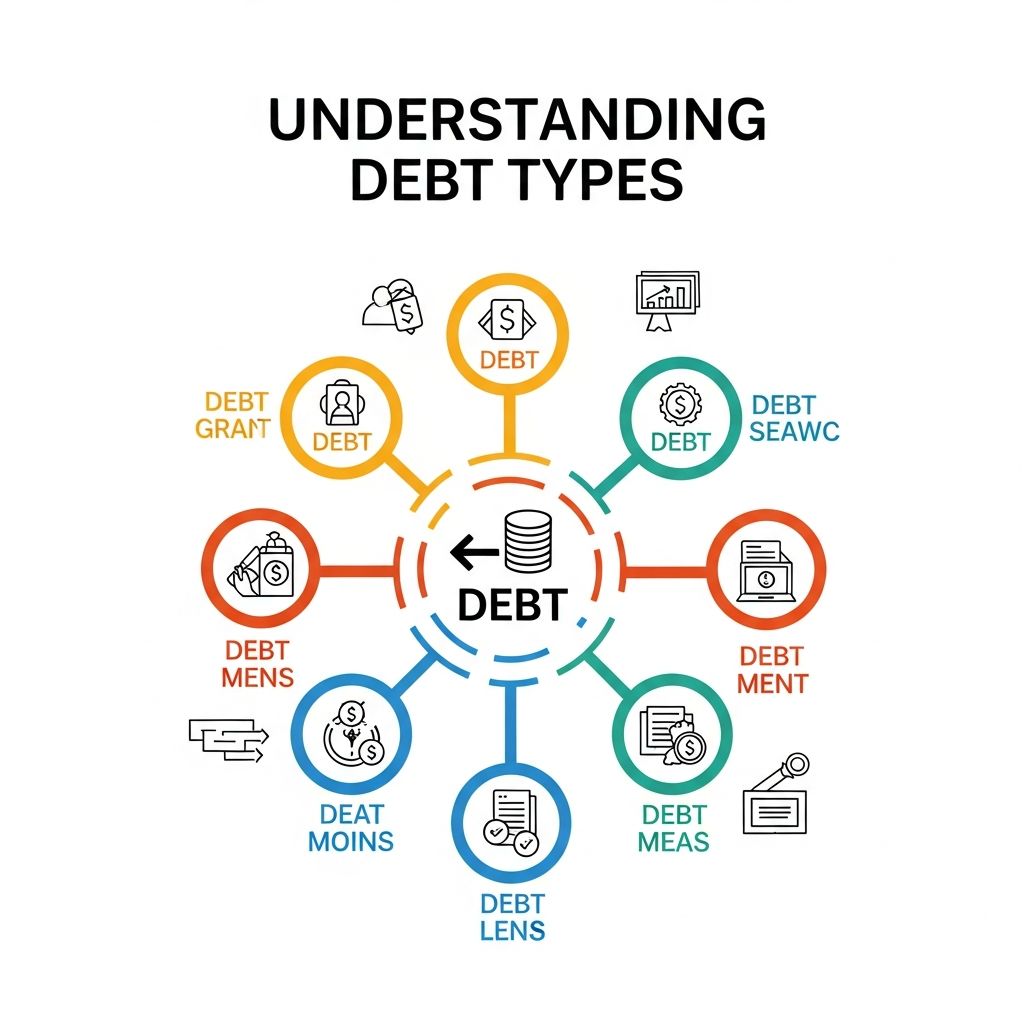
Debt serves as a financial tool for major purchases and life milestones, but its management hinges on grasping its varieties. Common categories encompass secured and unsecured debts, alongside revolving and installment structures, each carrying distinct terms, risks, and credit implications.
Core Classifications of Debt
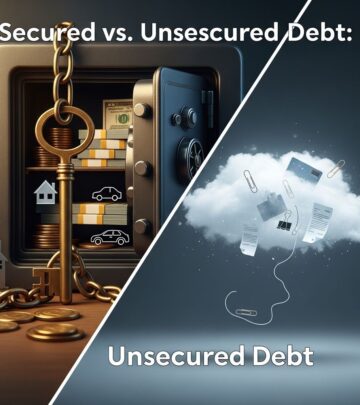
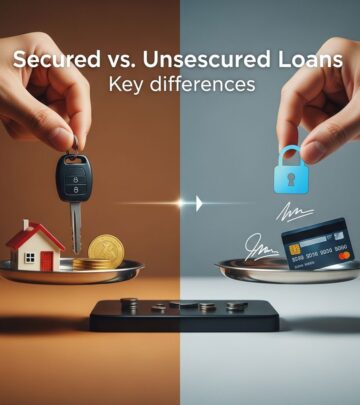
Debts fall into primary groupings based on collateral requirements and repayment flexibility. Secured debts link to assets like homes or vehicles, offering lenders protection through repossession rights if payments falter. Unsecured debts lack such backing, relying instead on borrower creditworthiness, which often results in elevated interest rates.
Revolving debts provide ongoing access to funds up to a limit, such as with credit cards, where balances fluctuate with usage and payments. Installment debts involve fixed sums disbursed upfront, repaid in scheduled amounts over defined periods, like standard loans.
Secured Debt Explained
Secured debt ties repayment to specific collateral, reducing lender risk and typically yielding lower rates. Failure to pay allows asset seizure, underscoring the need for reliable budgeting.
- Mortgages: These fund home purchases, using the property as collateral. Terms span 15-30 years with rates around 3-7%, depending on market conditions. Foreclosure risks highlight payment priority.
- Auto Loans: Vehicles secure these, with terms of 3-7 years and rates from 4-10%. Repossession follows missed payments, impacting credit severely.
- Home Equity Loans/HELOCs: Borrow against home value; fixed loans offer lump sums, while HELOCs provide revolving access. Both risk foreclosure if defaulted.
These loans demand collateral verification, including appraisals for real estate or vehicle assessments, ensuring value alignment with borrowed amounts.
Unsecured Debt Characteristics
Without collateral, unsecured debt poses higher risk to lenders, leading to stricter approval criteria like credit checks and income proof. Rates climb higher, but no asset loss threatens borrowers.
- Credit Cards: Revolving unsecured lines with limits based on credit. Minimum payments apply, but carried balances accrue high interest, often 15-25% APR.
- Personal Loans: Lump-sum funds for varied needs, repaid fixed monthly over 1-7 years. Rates range 6-36%, influenced by credit scores.
- Student Loans: Fund education without collateral; federal options offer forgiveness programs, private ones mirror personal loans with rates 4-15%.
- Medical Debt: Arises from healthcare bills, often negotiable with providers for plans. No fixed structure, but impacts credit if sent to collections.
Unsecured options suit those avoiding asset pledges, though higher costs demand swift repayment.
Revolving vs. Installment Debt Breakdown
| Type | Description | Examples | Key Features |
|---|---|---|---|
| Revolving | Flexible borrowing up to a limit, reusable after repayment | Credit cards, HELOCs, personal lines of credit | Variable rates, minimum payments, interest on balances |
| Installment | Fixed amount repaid in set installments | Mortgages, auto loans, student loans, personal loans | Fixed rates/terms, predictable payments, full payoff required |
Revolving debt fosters convenience for ongoing needs but tempts overspending due to accessibility. Installment debt structures commitment, aiding long-term planning like homeownership.
Impact on Credit Scores
Debt types influence credit profiles differently. Payment history (35% of FICO) weighs across all, while credit utilization (30%) hits revolving hardest—aim under 30% usage. New secured debts may dip scores temporarily via inquiries, but on-time payments build positive history.
Installment debts diversify profiles positively if managed well. Defaults harm universally: secured via collections post-repossession, unsecured directly.
Strategic Debt Management Approaches
Effective strategies prioritize high-interest unsecured/revolving debts via avalanche (highest rate first) or snowball (smallest balance first) methods. Debt consolidation merges into lower-rate loans, simplifying payments.
Refinancing secured debts cuts rates during favorable markets. Budgeting tools track minimums, ensuring secured debts lead priorities to avert asset loss.
Good Debt vs. Bad Debt Perspectives
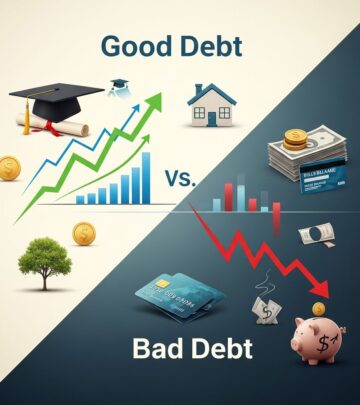
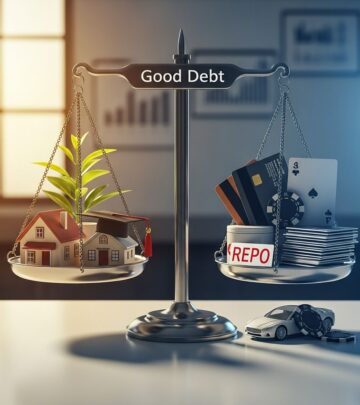
“Good” debt invests in appreciating assets like homes or education, potentially yielding returns exceeding costs. “Bad” debt funds depreciating or consumable items, like high-rate credit for luxuries, eroding wealth over time.
Mortgages exemplify good debt with equity buildup; credit card splurges represent bad. Intent and affordability delineate the divide.
Debt in Financial Planning
Incorporate debt into holistic plans: calculate debt-to-income ratios under 36% for lender approval. Emergency funds cover 3-6 months expenses, buffering against defaults.
Retirement savings precede non-essential debt payoff. Professional advice aids complex scenarios like multiple debt types.
Frequently Asked Questions
What distinguishes secured from unsecured debt?
Secured debt uses collateral like homes or cars, enabling lower rates but risking repossession. Unsecured lacks backing, features higher rates, no asset threat.
How does revolving debt function?
It offers repeated borrowing up to a limit, with interest on unpaid balances and variable minimums, as in credit cards or HELOCs.
Which debt type typically carries highest rates?
Unsecured revolving like credit cards, often 15-25% APR, due to lender risk absence of collateral.
Can medical debt be unsecured?
Yes, it lacks collateral, allowing negotiation but risking credit damage if unpaid.
Do student loans count as installment?
Affirmative; fixed disbursements repaid scheduled, federal or private variants.
Navigating Debt for Long-Term Stability
Knowledge empowers: match debt types to goals, monitor utilization, prioritize payments. Regular credit reviews spot issues early. Responsible use enhances financial freedom, leveraging debt as a stepping stone rather than a burden.
References
- What Are the Different Types of Debt? — Experian. 2023-05-15. https://www.experian.com/blogs/ask-experian/types-of-debt/
- What Are the Different Types of Debt? — SoFi. 2024-02-10. https://www.sofi.com/learn/content/different-types-of-debt/
- 9 Types of Personal Debt: What Debt Can Be Discharged in a Chapter 13 Bankruptcy — Dozier Law PC. 2023-11-20. https://www.dozierlawpc.com/blog/9-types-of-personal-debt-what-debt-can-be-discharged-eliminated-in-a-chapter-13-bankruptcy/
- Understanding Different Types of Debt — Great Lakes Credit Union. 2024-01-05. https://www.glcu.org/resource-center/blog/understanding-different-types-of-debt/
- Types of Debt — America Saves. 2023-09-12. https://veteransaves.org/resource-center/insights/types-of-debt/
- What are the Different Types of Consumer Debt? — Equifax. 2024-03-22. https://www.equifax.com/personal/education/debt-management/articles/-/learn/types-of-consumer-debts/
- Debt: Types, How It Works and Tips for Paying It Back — NerdWallet. 2025-06-30. https://www.nerdwallet.com/finance/learn/debt
Similar Articles








Read full bio of Sneha Tete