Debt Traps: 6-Step Plan To Escape And Avoid Them
Learn how debt traps form, spot the warning signs, and discover proven strategies to escape the cycle of endless borrowing.

A debt trap is a perilous financial situation where individuals or entities continuously borrow money just to cover existing debts, leading to a spiraling increase in obligations that outpaces their ability to repay. This cycle often begins innocently but can quickly escalate due to compounding interest and poor repayment habits, trapping borrowers in a loop of financial stress.
The Mechanics of a Debt Trap
At its core, a debt trap forms when repayments on current loans consume most of an individual’s income, leaving little for savings or essentials. Borrowers then seek new loans to bridge the gap, but these come with their own interest charges, exacerbating the problem. Over time, the total debt grows exponentially because interest accrues faster than principal reductions occur.
Key elements include:
- Compounding interest: Unpaid interest adds to the principal, increasing future interest calculations.
- Refinancing dependency: Relying on new credit to service old debts without addressing root causes.
- Declining cash flow: Income fails to keep pace with rising obligations, reducing financial flexibility.
Primary Causes Behind Debt Traps
Several factors contribute to falling into a debt trap. High-interest products like credit cards or short-term loans are common culprits, as their rates can exceed 20-30% annually, far outstripping typical income growth. Mismatched borrowing—using short-term loans for long-term needs—creates repayment mismatches, while external events like job loss amplify vulnerabilities.
| Cause | Description | Impact |
|---|---|---|
| High-Interest Borrowing | Loans with APRs over 20%, such as payday or title loans. | Doubles debt quickly; e.g., $100 payday loan at 521% APR costs $60 in fees for 6 weeks. |
| Over-Leveraging | Taking multiple loans without income buffer. | EMIs exceed 50% of income, leaving no room for emergencies. |
| Poor Planning | Borrowing for non-essentials like luxury spending. | Creates unsustainable habits; minimum payments prolong debt. |
Recognizing the Red Flags
Early detection is crucial. Watch for these warning signs:
- Borrowing new funds solely to pay off old ones, like using a personal loan for credit card bills.
- Total monthly debt payments surpassing 40-50% of income, signaling overextension.
- Stuck on minimum payments, where interest dominates and principal barely decreases—a $2,500 card balance at 20% APR with $50 minimum takes over 8 years and adds $2,750 in interest.
- Frequent late or missed payments, damaging credit and incurring fees.
- No savings or investments possible, as all income funnels into debt servicing.
Debt-to-income ratios climbing above 36% for mortgages or 50% overall are critical thresholds per financial guidelines.
Common Types of Debt Traps to Watch For
Different products lure people into traps with deceptive ease:
Credit Card Traps
Credit cards offer convenience but trap users with high fees and revolving balances. Minimum payments cover mostly interest, extending payoff timelines dramatically.
Payday and Title Loans
Payday loans charge up to 521% APR for short terms, while title loans at 300% APR risk vehicle loss on a single late payment.
Pawnshop and Rent-to-Own Schemes
Pawnshops offer 2-25% monthly interest on half an item’s value, forfeiting collateral on default. Rent-to-own triples costs over outright purchase.
Overdraft and Refinancing Pitfalls
Overdraft protection leads to surprise fees, and repeated refinancing ignores total costs, inflating debt.
Real-World Examples of Debt Traps
Consider an individual with unstable income who maxes credit cards for daily expenses. Unable to pay more than minimums, interest balloons the balance. They take a payday loan to cover a bill, but rollover fees compound the issue, leading to wage garnishment risks.
In business contexts, companies funding operations with short-term debt face refinancing risks during downturns, mirroring personal cycles.
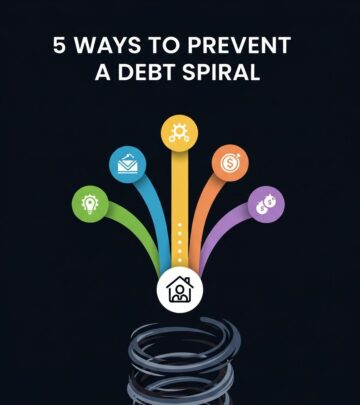
Strategies to Avoid Falling into a Debt Trap
Prevention starts with discipline:
- Budget rigorously: Track income vs. expenses; aim for debt payments under 30% of take-home pay.
- Build emergency funds: Save 3-6 months’ expenses to avoid high-interest borrowing.
- Choose wisely: Opt for low-interest, secured loans over predatory options; compare APRs fully.
- Avoid minimums: Pay more toward principal when possible to shorten loan terms.
Use tools like debt calculators to project outcomes before borrowing.
Step-by-Step Plan to Escape a Debt Trap
- Assess fully: List all debts, rates, minimums, and total income. Calculate debt-to-income ratio.
- Prioritize high-interest: Use debt snowball (smallest first for momentum) or avalanche (highest interest first for savings) method.
- Cut expenses: Negotiate bills, sell assets, or take side gigs to free up cash.
- Consolidate: Transfer to 0% balance cards or lower-rate personal loans if credit allows.
- Seek help: Contact creditors for hardship plans or nonprofit credit counseling; avoid for-profit debt settlement scams.
- Rebuild: Once clear, focus on credit repair and savings habits.
Success stories show consolidation reducing payments by 30-50%, per consumer reports.
Long-Term Financial Habits for Freedom
Beyond escape, cultivate resilience:
- Live below means: Spend 50% needs, 30% wants, 20% savings (50/30/20 rule).
- Invest early: Compound growth counters debt’s negative compounding.
- Monitor credit: Free annual reports help spot issues early.
Frequently Asked Questions (FAQs)
What exactly is a debt trap?
A cycle where new borrowing funds old debt repayments, with interest causing endless growth.
How do I know if I’m in one?
If EMIs >50% income, you’re borrowing to pay debts, or can’t save—yes.
Can businesses face debt traps?
Absolutely; low cash flows lead to rollover dependency.
Are payday loans always traps?
Often, due to 400%+ APRs and rollover fees.
How long to escape $10,000 credit card debt?
With minimums: 20+ years; aggressive payments: 2-3 years.
Key Takeaways
Debt traps thrive on high interest and poor habits but are avoidable with awareness and action. Prioritize needs, budget strictly, and seek professional advice early to reclaim control.
References
- What Is a Debt Trap? Meaning & Causes Explained — BondScanner. 2023. https://bondscanner.com/blog/what-is-debt-trap-meaning-causes
- How To Identify If You Are In A Debt Trap? — Mirae Asset Financial. 2024. https://www.miraeassetfin.com/blogs/personal-loans/how-to-identify-if-you-are-in-a-debt-trap.html
- Debt Traps: How to Avoid Debt by Being Careful — InCharge Debt Solutions. 2024. https://www.incharge.org/debt-relief/debt-traps/
- What Is a Debt Trap? — Experian. 2025-02-01. https://www.experian.com/blogs/ask-experian/what-is-debt-trap/
Similar Articles








Read full bio of Sneha Tete