Understanding Debt Settlement: A Complete Guide
Master the fundamentals of negotiating reduced debt payments and rebuilding your financial health.

Financial hardship can strike unexpectedly, leaving many individuals struggling with mounting debts they cannot fully repay. When traditional repayment becomes impossible, debt settlement emerges as a potential pathway to reduce outstanding balances and regain control of your finances. This strategy allows borrowers to negotiate with creditors to pay less than the full amount owed, offering relief from the burden of insurmountable debt while avoiding the long-term consequences of bankruptcy.
What Exactly Is Debt Settlement?
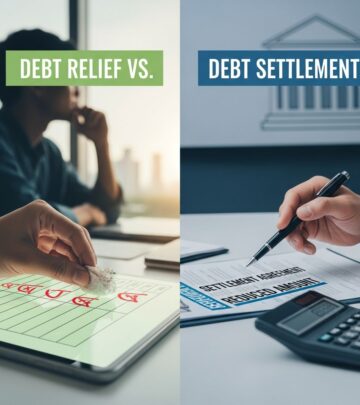
Debt settlement, also referred to as debt reduction or debt relief, represents a formal agreement between a borrower and their creditor where the creditor agrees to accept a reduced payment as complete satisfaction of the debt. Rather than pursuing bankruptcy or continuing to struggle with unmanageable payments, this approach allows both parties to reach a mutually acceptable resolution.
The fundamental principle behind debt settlement is straightforward: creditors sometimes prefer to recover a portion of what is owed rather than risk receiving nothing at all through bankruptcy proceedings or continued non-payment. This creates an opportunity for borrowers facing genuine financial hardship to negotiate terms that make their debt manageable while creditors recover something from their investment.
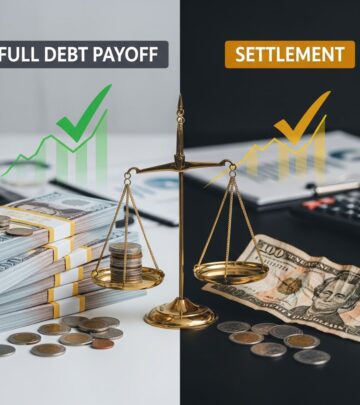
It is essential to distinguish debt settlement from other debt management strategies. Unlike debt consolidation, which rolls multiple debts into a single new loan, debt settlement actually reduces the principal amount owed. With consolidation, you still owe the full balance; with settlement, the creditor forgives a portion entirely.
How the Debt Settlement Process Works
Understanding the mechanics of debt settlement helps borrowers evaluate whether this approach aligns with their financial circumstances. The process typically unfolds in several distinct phases.
Initial Engagement and Payment Redirection
When working with a debt settlement company, your first step involves ceasing regular payments to your creditors. This strategic pause may seem counterintuitive, but it serves an important purpose: it signals to creditors that you cannot sustain current payment obligations, making them more willing to consider settlement offers. Without this leverage, creditors have little incentive to forgive a significant portion of the debt.
Instead of sending payments to creditors, you direct monthly funds toward an escrow or dedicated savings account managed by the debt settlement company. These deposits accumulate over time, creating a reserve that will eventually be used to negotiate and pay settlements.
Accumulation Phase and Fee Structure
As you make monthly contributions to the settlement fund, the debt settlement company retains a portion as compensation for their services. Typical fees range from 15% to 25% of the debt amount being settled. For example, if you owe $30,000 in debt and save $24,000 through monthly payments over three months, the company might retain $4,000 as their fee, leaving $20,000 to offer creditors.
This accumulation phase typically lasts 2 to 4 years, depending on the total debt amount and your monthly contributions. The company continues building your settlement fund while simultaneously initiating conversations with creditors about potential settlement amounts.
Creditor Negotiation and Settlement Offers
Once sufficient funds have accumulated, the debt settlement company approaches your creditors with concrete settlement proposals. These offers typically range from 40% to 60% of the original balance, though actual percentages vary based on factors including the creditor’s assessment of your ability to pay, the age of the debt, and market conditions.
Creditors are more likely to accept settlement offers when they believe full repayment is unlikely. A creditor who has written off a debt due to months of non-payment may find a lump-sum settlement offer quite attractive compared to extended collection efforts.
Settlement Completion and Resolution
Once a creditor accepts the settlement terms, the company pays them the agreed-upon amount from your escrow account. Upon completion of this payment, the debt is considered satisfied and the creditor must cease collection efforts. Ideally, the settlement agreement includes written confirmation that the debt is fully resolved and cannot be pursued further.
Critical Advantages of Pursuing Debt Settlement
For borrowers facing genuine financial hardship, debt settlement offers several compelling benefits:
- Substantial debt reduction: Creditors may forgive 40% to 60% of the original balance, resulting in significant savings
- Avoidance of bankruptcy: Settlement provides an alternative to bankruptcy proceedings, which can remain on credit reports for up to 10 years and impact employment opportunities
- Faster debt freedom: Completing settlement in 2 to 4 years is often faster than traditional repayment over extended periods
- Definitive resolution: Once settled, creditors cannot pursue collection actions for that specific debt
- Reduced financial stress: Consolidating multiple debts through settlement simplifies finances and reduces collection calls
Significant Risks and Drawbacks to Consider
Before pursuing debt settlement, borrowers must carefully evaluate substantial potential downsides:
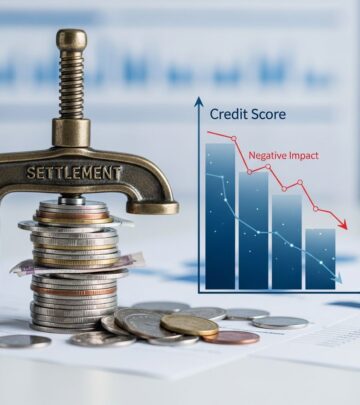
- Credit score damage: Settlement notation on credit reports signals financial difficulty and can significantly lower credit scores
- Legal action risk: While in the settlement process, creditors and collection agencies may pursue legal action or wage garnishment
- Tax implications: Forgiven debt amounts may be considered taxable income by the IRS, potentially creating unexpected tax liability
- Accumulated interest: If settlement negotiations fail, accumulated interest may increase total debt beyond the original amount owed
- Extended timeline: The 2 to 4 year process requires sustained discipline and monthly contributions
- No guaranteed success: Creditors are not obligated to accept settlement offers, and negotiations may fail entirely
- Upfront company fees: Settlement companies charge fees before debts are resolved, with no guarantee of success
Comparison of Debt Management Strategies
| Feature | Debt Settlement | Debt Consolidation | Bankruptcy |
|---|---|---|---|
| Principal Reduction | Yes, 40-60% forgiven | No, full amount owed | Potentially significant reduction |
| Timeline to Resolution | 2-4 years | Varies, typically 3-7 years | 3-10 years on credit report |
| Credit Score Impact | Significant negative impact | Initial dip, improves with payments | Severe, long-term damage |
| Legal Risk During Process | High – creditors may sue | Low – debt consolidated | Legal process handled in court |
| Cost to Consumer | 15-25% settlement company fee | Interest on consolidation loan | Attorney fees, court costs |
Who Should Consider Debt Settlement?
Debt settlement is most appropriate for individuals who meet specific criteria. You have genuine unsecured debt—typically credit card balances, medical bills, or personal loans—rather than secured debt like mortgages or auto loans. You face legitimate financial hardship that prevents full debt repayment, such as job loss, medical emergency, or significant income reduction. You have exhausted other debt management options and bankruptcy remains undesirable.
Additionally, you must be able to make consistent monthly contributions to an escrow account during the settlement process, and you should have a realistic expectation that creditors may refuse settlement offers. Individuals with stable employment prospects and the discipline to avoid accumulating new debt during the settlement period are best positioned to succeed.
The Role of Debt Settlement Companies
While borrowers can attempt debt settlement negotiations independently, most engage professional debt settlement companies to handle creditor discussions. These companies leverage established relationships with creditors and possess negotiation expertise that individual borrowers typically lack. However, this professional service comes with costs and risks.
Reputable debt settlement companies provide transparent fee structures, clear timelines, and realistic expectations about settlement likelihood. They manage your escrow account, track accumulating funds, and conduct professional negotiations with multiple creditors simultaneously. However, consumers must exercise caution with companies making unrealistic promises or demanding fees before achieving results.
Frequently Asked Questions About Debt Settlement
How much debt reduction can I realistically expect?
Creditors typically agree to forgive 40% to 50% of the original balance, though this varies based on your specific situation, creditor policies, and negotiation circumstances. Some settlements may reduce debt by as little as 20%, while others might reach 60% reduction.
What types of debt can be settled?
Only unsecured debts can typically be settled, including credit card balances, medical bills, and personal loans. Secured debts like mortgages and auto loans cannot be settled because they are backed by collateral the creditor can repossess.
How long does the debt settlement process take?
The complete process typically requires 2 to 4 years, though this varies considerably based on debt amount, creditor cooperation, and your ability to fund the escrow account.
Will debt settlement affect my credit?
Yes, settlement will negatively impact your credit score, both through the initial non-payment period and the “settled” notation on your credit report. However, this damage is typically less severe than bankruptcy and improves over time as you rebuild credit.
Can creditors still sue me during settlement negotiations?
Yes, creditors can pursue legal action while you are in settlement negotiations. This is a significant risk that borrowers must accept and manage carefully.
Taking the First Steps Toward Financial Recovery
If you are considering debt settlement, begin by honestly assessing your financial situation. Calculate total unsecured debt, determine realistic monthly contributions you can sustain, and research debt settlement companies carefully before engaging their services. Request detailed information about fee structures, success rates, and timeline estimates.
Consider consulting with a non-profit credit counseling agency before pursuing settlement, as they provide unbiased guidance about your available options. Compare settlement against other approaches like debt consolidation or debt management plans to ensure you select the strategy best suited to your circumstances.
Debt settlement represents a viable path to financial recovery for individuals facing genuine hardship with unsecured debts. By understanding the process, evaluating both benefits and risks, and approaching settlement strategically, borrowers can work toward reducing their debt burden and rebuilding their financial future.
References
- Debt Settlement — Wikipedia. Accessed February 2026. https://en.wikipedia.org/wiki/Debt_settlement
- Debt Settlement – Definition, Process, Practical Example — Corporate Finance Institute. Accessed February 2026. https://corporatefinanceinstitute.com/resources/commercial-lending/debt-settlement/
- What is Debt Settlement? — Marine Credit Union. Accessed February 2026. https://www.marinecu.com/learning-hub/what-is-debt-settlement/
- What Is Debt Settlement and How Does It Work? — NerdWallet. Accessed February 2026. https://www.nerdwallet.com/personal-loans/learn/how-does-debt-settlement-work
- Debt Settlement: What it is, How it Works & If it’s Worth It — InCharge Debt Solutions. Accessed February 2026. https://www.incharge.org/debt-relief/debt-settlement/
- What Is Debt Settlement? — Experian. Accessed February 2026. https://www.experian.com/blogs/ask-experian/what-is-debt-settlement/
- What Is Debt Settlement? — American Express. Accessed February 2026. https://www.americanexpress.com/en-us/credit-cards/credit-intel/what-is-debt-settlement/
Similar Articles








Read full bio of Sneha Tete