CVV Codes: 5 Essential Ways To Protect Your Card
Discover the essential role of CVV codes in securing your credit card transactions online and beyond.
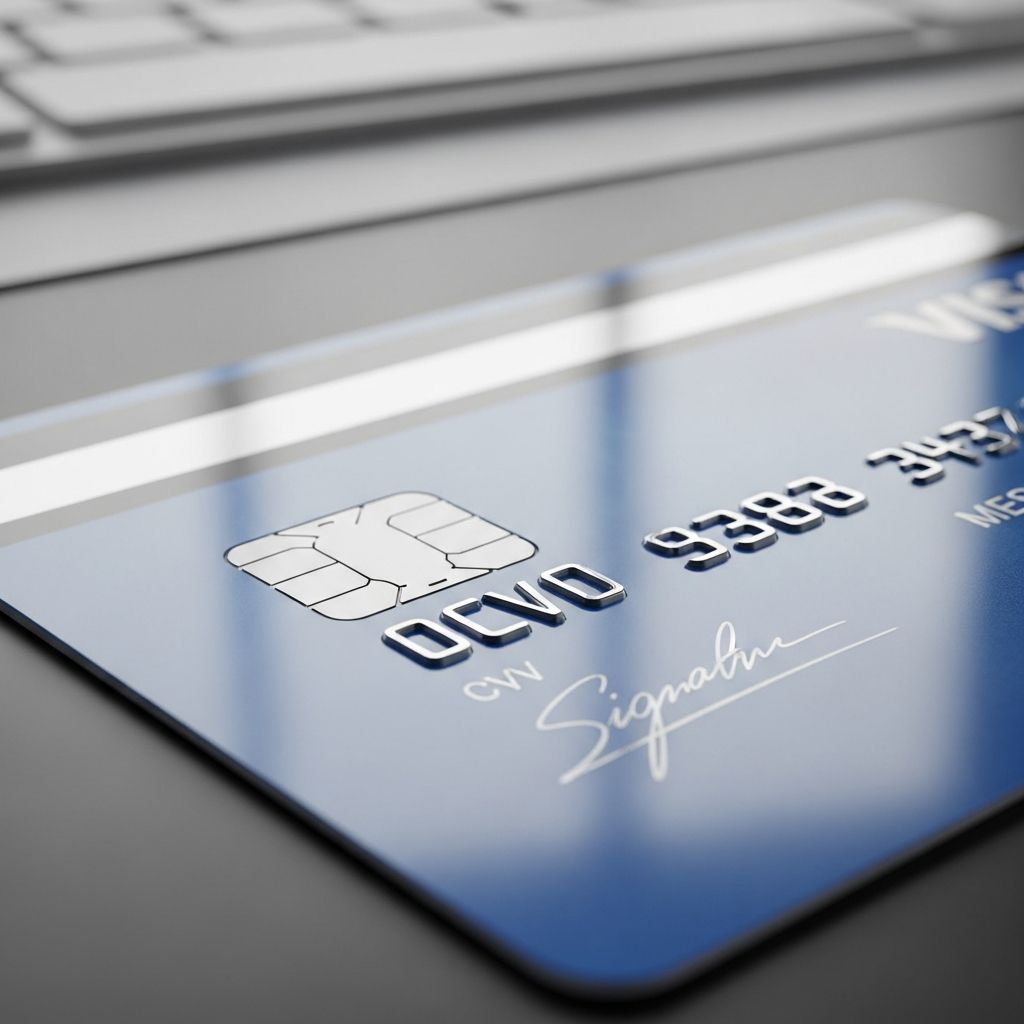
CVV codes serve as a critical security feature on credit and debit cards, designed to verify card ownership during transactions where the physical card is not present. These short numeric sequences add a vital layer of protection against unauthorized use, particularly in online shopping, phone orders, or mail-based purchases.
The Fundamentals of CVV Technology
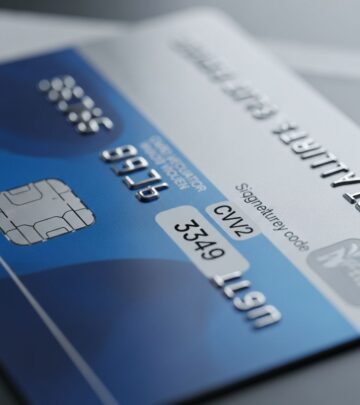
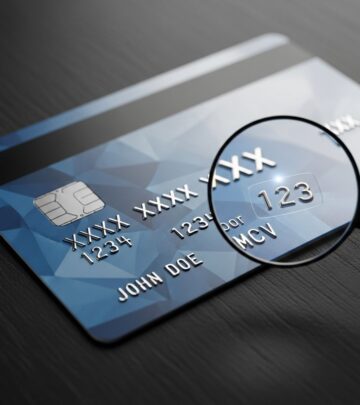
A CVV, or Card Verification Value, is typically a three- or four-digit number printed on the card but not embossed like the primary account number. It functions primarily for ‘card-not-present’ scenarios, where merchants cannot physically inspect the card. By requiring this code, sellers confirm that the buyer possesses the actual card, reducing the risk of fraud from stolen card details.
Unlike a PIN, which authenticates the cardholder’s identity for in-person or ATM use, the CVV focuses on proving physical possession. This distinction is key: PINs are memorized and entered via keypad, while CVVs are visually read from the card surface.
Variations in Naming and Design Across Networks
Card networks and issuers use different terms for this security code, but they all perform the same role. Common aliases include Card Security Code (CSC), Card Verification Code (CVC), Card Identification Number (CID), and Card Validation Code (CVD).
Placement and length vary by issuer:
- Visa, Mastercard, Discover: Three digits on the back, right of the signature strip.
- American Express: Four digits on the front, above the card number.
These differences stem from network-specific standards, ensuring compatibility across global payment systems.
How CVV Codes Fortify Transaction Security
During an online purchase, entering the CVV alongside the card number and expiration date signals to the merchant and processor that the user holds the physical card. This ‘proof of possession’ thwarts thieves who might obtain partial card data from data breaches or skimming devices.
PCI Data Security Standards (PCI DSS), enforced by the Payment Card Industry Security Standards Council, mandate that merchants delete CVV data immediately after authorization. They cannot store it, even for recurring payments after the initial transaction. This rule limits damage from hacks: stolen databases yield card numbers but no CVVs, blocking further online fraud.
| Card Network | CVV Length | Location | Alternative Name |
|---|---|---|---|
| Visa | 3 digits | Back, signature strip | CVC2 |
| Mastercard | 3 digits | Back, signature strip | CVC2 |
| Discover | 3 digits | Back, signature strip | CID |
| American Express | 4 digits | Front, above card number | CID |
This table summarizes key differences, aiding quick reference when locating your code.
CVV in Action: From Checkout to Authorization
When you shop online, the merchant’s payment gateway sends your card details, including CVV, to the acquirer, then the issuer for approval. The issuer verifies the CVV against its records. If it matches, the transaction proceeds; otherwise, it’s declined.
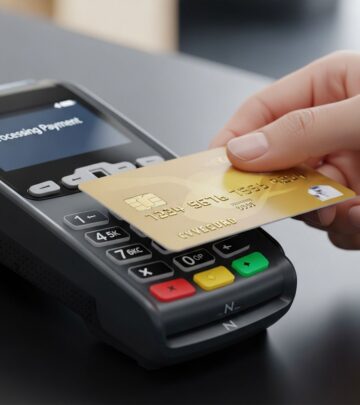
For card-on-file setups, like subscriptions, the CVV is required only for the first purchase. Subsequent charges skip it to reduce friction, though merchants may request it if fraud is suspected. In physical stores, EMV chips and contactless taps transmit equivalent data automatically via the magnetic stripe or chip, so CVV entry is unnecessary.
Limitations and Evolving Threats
While effective, CVVs are not foolproof. Social engineering, phishing, or malware can trick users into revealing them. Once disclosed, the code enables fraud until the card is canceled. Additionally, CVVs do not prevent all identity theft; the FTC notes credit card fraud as a leading type, urging multifaceted defenses.
Merchants skipping CVV checks increase vulnerability, and stored partial data from breaches can pair with phished CVVs. Emerging tech like tokenization and biometrics address these gaps, but CVVs remain a frontline defense.
Best Practices for CVV Protection
To maximize security:
- Never share verbally or via email: Legitimate merchants request it only during checkout.
- Shield your card: Cover the CVV when handing it over; avoid photographing the back.
- Monitor statements: Review for unauthorized charges weekly.
- Use virtual cards: Generate temporary numbers for online use without exposing real details.
- Enable alerts: Set transaction notifications from your issuer.
Phishing resistance is crucial: Verify site security (HTTPS) and URLs before entering details.
CVV vs. Other Security Layers
CVV complements but differs from:
- PIN: For ATM/debit in-person verification.
- 3D Secure (Verified by Visa, Mastercard SecureCode): Adds password or biometric step for high-risk online buys.
- Tokenization: Replaces card data with single-use tokens.
Layering these enhances overall protection.
Frequently Asked Questions
What if I don’t have my physical card for an online purchase?
Some digital wallets store CVV equivalents securely, but for safety, delay until you have the card or use issuer apps for virtual verification.
Can merchants store my CVV for future use?
No, PCI DSS prohibits it post-authorization to prevent database exploitation.
Is CVV the same on virtual or digital cards?
Virtual cards generate unique CVVs, enhancing security for one-time use.
What happens if I enter the wrong CVV?
Transactions decline, but repeated failures may flag your card for review—contact your issuer.
Does CVV protect against all fraud types?
No, it targets card-not-present fraud; combine with monitoring and secure habits.
Future of Card Security Beyond CVV
As cyber threats evolve, biometrics, AI-driven anomaly detection, and blockchain-based payments promise stronger safeguards. Yet, CVV’s simplicity ensures its persistence alongside innovations. Staying informed empowers users in this dynamic landscape.
References
- What’s a CVV Number and Why It Matters — bunq. 2023. https://www.bunq.com/en-us/blog/what-is-a-cvv-number-and-why-it-matters
- What are CVC/CVV Codes on Credit and Debit Cards? — Spreedly. 2023. https://www.spreedly.com/blog/what-are-cvc-cvv-codes
- What is a CVV number and where is it on a credit card? — Capital One. 2025-01-15. https://www.capitalone.com/learn-grow/money-management/what-is-a-cvv/
- What is a Credit Card CVV Number? — Citi. 2024. https://www.citi.com/credit-cards/understanding-credit-cards/what-is-a-cvv-number-on-a-credit-card
- Card security code — Wikipedia (references PCI SSC standards). N/A. https://en.wikipedia.org/wiki/Card_security_code
Similar Articles








Read full bio of medha deb