Understanding Credit Tradelines
Discover how credit tradelines shape your financial profile and learn strategies to optimize them for better credit health.
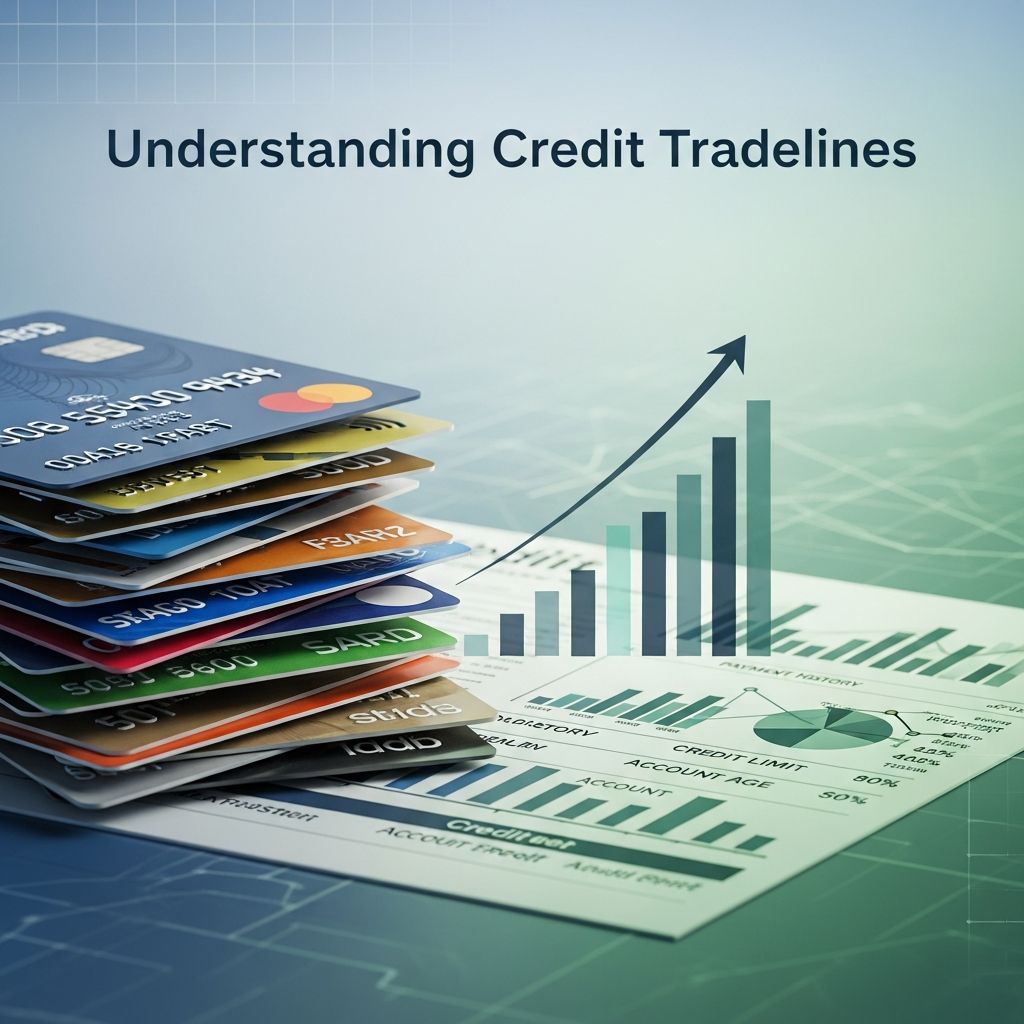
Credit tradelines form the backbone of your credit report, serving as individual records of every credit account you’ve held. These entries, reported by lenders to major bureaus like Equifax, Experian, and TransUnion, provide a detailed snapshot of your borrowing behavior and repayment reliability. Each tradeline encapsulates critical data that lenders scrutinize when evaluating your creditworthiness, directly influencing your ability to secure loans, favorable interest rates, or even rental agreements.
Grasping the mechanics of tradelines empowers you to take proactive steps in managing your credit health. Whether you’re a first-time borrower or refining your financial strategy, understanding these components can lead to substantial improvements in your credit score over time. This comprehensive guide delves into the intricacies of credit tradelines, their composition, and actionable strategies for optimization.
The Core Elements of a Credit Tradeline
Every tradeline is a comprehensive profile of a specific credit account, compiling essential details that paint a picture of your financial responsibility. Lenders furnish this information monthly to credit bureaus, ensuring your report reflects the most current status.
- Creditor Details: Includes the lender’s name, address, and contact information for easy identification.
- Account Type: Specifies whether it’s revolving (e.g., credit cards) or installment (e.g., auto loans).
- Date Opened: Marks the account’s inception, contributing to your credit history length.
- Current Status: Indicates if the account is open, closed, or in collections.
- Balance and Limits: Shows current balance, original loan amount, or credit limit, vital for utilization calculations.
- Payment History: A chronological record of payments, the most influential factor in scoring models.
- Recent Activity: Notes the last payment or transaction date.
These elements collectively determine how your tradeline impacts your overall credit profile. For instance, a tradeline with consistent on-time payments signals reliability, while delinquencies can linger as negative marks.
Categories of Credit Tradelines Explained
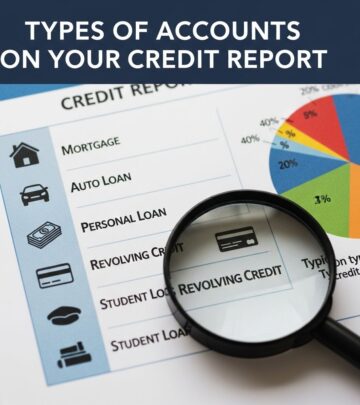
Credit accounts fall into distinct categories, each with unique reporting characteristics that affect your score differently. Recognizing these helps in diversifying your credit mix, a factor accounting for about 10% of your FICO score.
Revolving Accounts
Revolving tradelines, such as credit cards and home equity lines of credit, allow repeated borrowing up to a limit. Key metrics include credit utilization—ideally kept under 30%—which heavily influences scores (around 30% weight). High utilization can signal overextension, even if payments are timely.
Installment Loans
These fixed-term loans, like mortgages, student loans, or personal loans, involve set monthly payments toward a principal. They demonstrate long-term commitment and positively contribute to credit mix without utilization risks. Late payments here often carry heavier penalties due to the secured nature of many such loans.
Collection and Authorized User Tradelines
Collection tradelines appear when debts are sold to agencies, potentially harming scores for up to seven years. Conversely, authorized user status on another’s positive account can boost your profile, though primary responsibility remains with the account holder.
| Tradeline Type | Key Features | Score Impact |
|---|---|---|
| Revolving | Variable balance, credit limit | High (utilization 30% of score) |
| Installment | Fixed payments, no limit | Moderate (mix 10% of score) |
| Collections | Delinquent debt | Negative (up to 7 years) |
How Tradelines Drive Your Credit Score
Tradelines are the primary data source for credit scoring models like FICO and VantageScore. Payment history (35%), amounts owed (30%), length of history (15%), new credit (10%), and mix (10%) all derive from tradeline info. An active tradeline within six months is required for a score.
Positive tradelines with on-time payments and low utilization elevate scores, while negatives like 90-day delinquencies can drop it significantly. Aged tradelines enhance history length, rewarding longevity. Diversifying types shows versatility in handling various debts.
Duration and Removal of Tradelines
Tradelines persist variably: open accounts indefinitely, closed positive ones up to 10 years, negatives seven years from delinquency date. Natural aging dilutes negatives, but voluntary disputes can accelerate removal if inaccurate.
Bankruptcies may linger 10 years, emphasizing prevention. Regularly reviewing reports via AnnualCreditReport.com ensures accuracy.
Practical Strategies to Optimize Your Tradelines
Enhancing tradelines requires consistent habits:
- Pay on time every month—automate if needed.
- Maintain utilization below 30% on revolving accounts.
- Keep old accounts open to build history length.
- Dispute errors promptly with bureaus.
- Diversify responsibly without overextending.
Becoming an authorized user on a seasoned, low-utilization card can provide a quick boost, but select trustworthy primary holders. Avoid “tradeline renting” schemes, as they risk violations and temporary gains.
Common Pitfalls and Myths About Tradelines
Myths abound: closing old cards doesn’t shorten history if reported correctly, and paying off collections doesn’t always remove them. Multiple inquiries aren’t as damaging as delinquencies. Focus on genuine management over shortcuts.
Frequently Asked Questions (FAQs)
What exactly is a credit tradeline?
A record of one credit account on your report, detailing payment history, balance, and status.
How many tradelines do I need for a good credit score?
At least one active; 3-5 diverse ones often suffice for strong profiles.
Can I remove negative tradelines?
Only if inaccurate via dispute; accurate ones fade after 7 years.
Do authorized user tradelines help?
Yes, if positive, but effects vary by scoring model.
How often are tradelines updated?
Monthly by lenders to bureaus.
Monitoring and Tools for Tradeline Management
Free weekly reports from AnnualCreditReport.com and bureau services like Experian Boost add positive tradelines for utilities. Credit monitoring alerts catch issues early.
In summary, mastering tradelines is key to financial empowerment. Consistent positive management yields lasting benefits.
References
- What Is a Tradeline on a Credit Report? — SoFi. 2023. https://www.sofi.com/learn/content/what-is-a-credit-tradeline/
- What Is a Credit Tradeline? — American Express. 2023. https://www.americanexpress.com/en-us/credit-cards/credit-intel/credit-tradelines/
- What is a tradeline on your credit report? — Chase. 2023. https://www.chase.com/personal/credit-cards/education/build-credit/credit-tradelines
- What Are Credit Tradelines? — Discover. 2023. https://www.discover.com/credit-cards/card-smarts/what-are-credit-tradelines/
- What Are Tradelines and How Do They Affect You? — Experian. 2023. https://www.experian.com/blogs/ask-experian/what-are-tradelines/
Similar Articles








Read full bio of medha deb