Understanding Unexpected Credit Score Fluctuations
Discover why your credit score changes even when you haven't applied for new credit
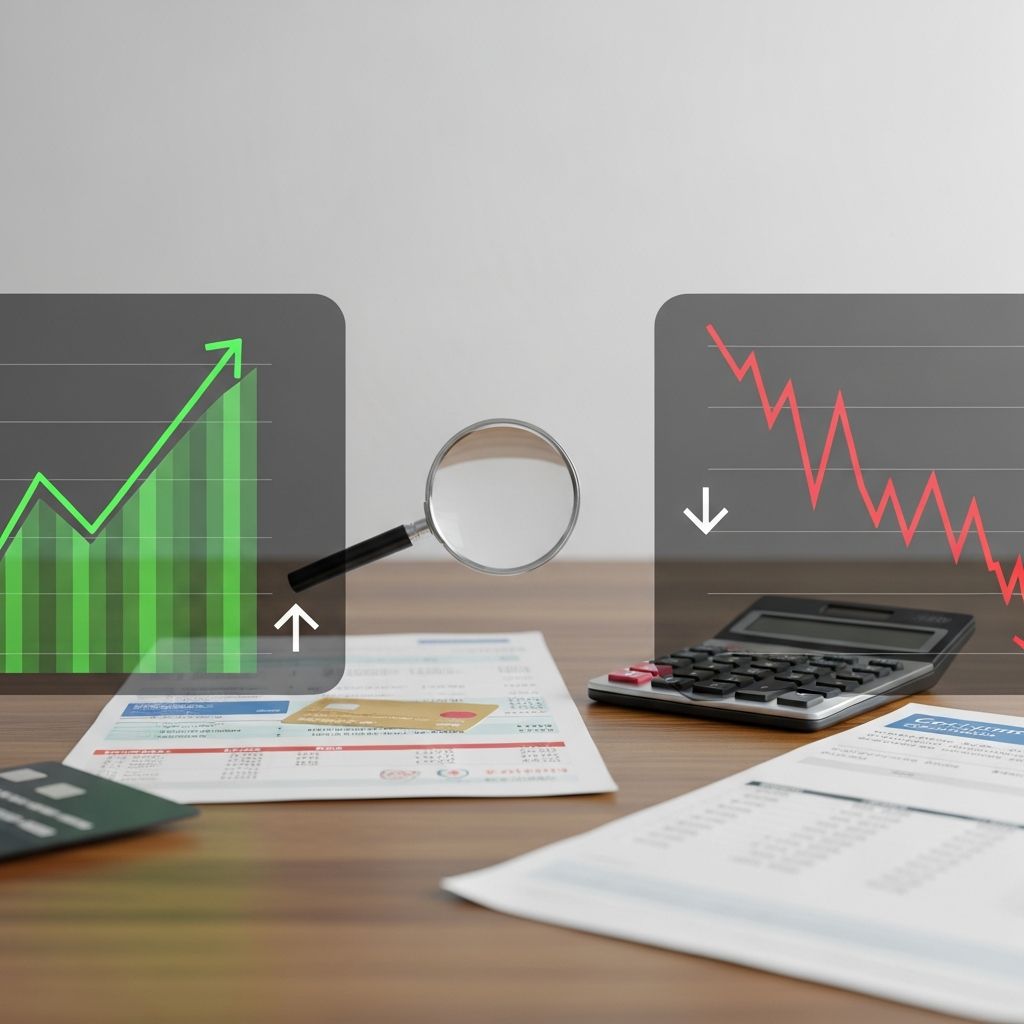
Your credit score represents a numerical summary of your creditworthiness, calculated based on information contained in your credit reports. Yet many consumers experience the frustration of seeing their scores shift without taking any deliberate action to use credit. This phenomenon confuses countless people who believe their financial behavior has remained static. Understanding the mechanisms behind these shifts requires examining how credit scoring systems operate and what triggers recalculations of your financial profile.
The Dynamic Nature of Credit Scoring
Credit scores are not static numbers that remain unchanged until you apply for a new credit product or miss a payment. Instead, they represent a snapshot of your creditworthiness calculated at the precise moment the score is requested. Whether you request it yourself, a potential lender inquires, or another organization with legitimate access checks your profile, the score reflects current data in your credit reports at that exact instant.
The continuous nature of credit reporting means your credit reports are perpetually evolving. Financial institutions, lenders, and collection agencies regularly submit updated information to credit bureaus about your accounts. This constant flow of data explains why your scores can differ from one day to the next, even if you haven’t actively used credit or changed your financial behavior.
Additionally, the three major credit bureaus—Equifax, Experian, and TransUnion—do not always receive identical information at the same time. Lenders report account information on different schedules, meaning your credit profile at one bureau may differ from another. This variance in reporting timing directly contributes to score fluctuations when different bureaus calculate your creditworthiness using different data sets.
Credit Utilization: The Most Common Culprit
Among the factors that cause unexpected credit score changes, alterations in credit utilization rank as one of the most significant. Credit utilization refers to the percentage of available credit you are currently using across your revolving accounts. Most credit scoring models examine the relationship between your outstanding balances and your credit limits.
What surprises many consumers is that credit utilization can fluctuate even when you maintain consistent payment habits. Most credit card issuers report balances to credit bureaus shortly after your billing cycle closes, not after you make your monthly payment. If you typically pay your full balance at the statement date, your reported balance might still reflect the amount owed during your billing period.
Consider this scenario: You charge $2,000 on a credit card with a $5,000 limit during your billing cycle. Your statement closes, and the issuer reports a $2,000 balance to credit bureaus, resulting in a 40% utilization rate. Even if you subsequently pay the entire balance in full before the due date, the credit bureaus have already recorded that higher utilization percentage for that month. This timing mismatch means your scores can decline temporarily even though you’ve maintained pristine payment behavior.
Additionally, if you close a credit card account or your credit limit is reduced by a lender, your total available credit decreases. This reduction can cause your utilization percentage to spike across your remaining accounts, potentially lowering your scores even if your actual debt levels remain unchanged.
The Impact of New Credit Applications and Inquiries
Applying for new credit products generates a hard inquiry on your credit reports. When you submit an application for a credit card, mortgage, auto loan, or other credit product, the lender requests access to your credit report to assess your creditworthiness. Each hard inquiry can cause a small decrease in your credit score, typically ranging from a few points to slightly more depending on your overall credit profile.
While individual hard inquiries usually produce minor temporary effects, multiple applications submitted over a short timeframe create cumulative damage to your scores. Some people submit multiple credit applications simultaneously in hopes of improving their chances of approval, not realizing that each inquiry compounds the negative impact. The inquiry effects typically fade within several months as newer information dominates your credit profile.
It’s important to distinguish between hard inquiries, which affect your score, and soft inquiries, which do not. When you monitor your own credit score through various financial tools or when employers conduct background checks, these actions generate soft inquiries that leave no negative mark on your creditworthiness.
Account Closures and Their Consequences
Closing a credit account, whether by your initiative or the lender’s decision, can trigger unexpected credit score decreases. When you close a credit card or pay off an installment loan, you’re reducing your total available credit or changing the mix of credit types in your portfolio. Both scenarios can negatively impact your credit scores in the short term.
The reason relates to multiple credit scoring factors. First, closing revolving accounts reduces your available credit, which increases your utilization ratio on remaining accounts. Second, closing accounts can lower the average age of your credit history, another factor considered in most scoring models. Third, the credit mix—the variety of different credit types you maintain—can shift unfavorably.
Interestingly, paying off installment loans like auto loans or mortgages can also cause temporary score decreases. While this seems counterintuitive, the removal of active installment credit changes your credit profile. You’re no longer demonstrating active responsible management of different credit types, and the scoring models reflect this shift.
The Aging of Negative Information
Credit reports retain negative information for specific periods defined by law. Bankruptcies, foreclosures, and collection accounts remain on your reports for seven to ten years depending on the specific event. During the time these items appear on your reports, they exert downward pressure on your credit scores.
However, this negative impact diminishes over time. Older negative items carry less weight in credit score calculations than recent ones. As negative information approaches its removal date, its influence on your scores gradually lessens. When these items finally disappear from your credit reports, you may experience a noticeable score improvement even without taking any positive action yourself.
This automatic improvement occurs simply due to the passage of time. Monitoring your credit reports as negative items age can help you understand when significant improvements might occur naturally.
Changes in Credit Scoring Models and Calculations
Credit scoring companies periodically update their algorithms and calculation methods. The most widely used FICO score undergoes periodic refinements as developers incorporate new research or adjust weighting of various factors. Similarly, alternative scoring models like VantageScore make adjustments over time.
When scoring models change their calculation methods or adjust the relative importance of different factors, consumers may see their scores shift even with no changes to underlying credit report data. A change that previously caused a 15-point decrease might only cause a 10-point decrease under a new algorithm. Conversely, factors previously weighted less heavily might carry more importance in updated versions.
Recognizing Significant Changes Versus Normal Fluctuations
Not all score changes warrant concern or investigation. Research indicates that approximately 70% of credit scores fluctuate by up to 20 points within any 90-day period. Variations of this magnitude represent normal activity resulting from the dynamic nature of credit reporting rather than indicators of problems.
However, larger decreases deserve attention and investigation. A 40-point drop or greater warrants examination of your credit reports to identify the cause. Significant unexpected increases similarly merit investigation to ensure positive changes are accurately reflected.
Detecting Fraudulent Activity and Identity Theft
While most score fluctuations stem from legitimate reporting of your actual credit activity, large unexplained drops can signal fraudulent activity or identity theft. If someone has opened credit accounts in your name or accessed your existing accounts fraudulently, this unauthorized activity appears on your credit reports and damages your scores.
If you notice a significant score decrease you cannot explain through normal credit activity, carefully review your credit reports from all three bureaus. Look for accounts you don’t recognize, addresses you haven’t lived at, or inquiries from companies you didn’t apply to. Unauthorized accounts or inquiries may indicate identity theft requiring immediate action.
Steps to take if you suspect identity theft include placing a fraud alert on your credit files, considering a credit freeze, contacting creditors about fraudulent accounts, and filing a report with the Federal Trade Commission.
Monitoring and Managing Your Credit Profile
Proactive credit monitoring helps you understand your score fluctuations and catch problems early. By checking your credit reports regularly, you can correlate score changes to specific events or information updates. Understanding these connections empowers you to make informed financial decisions.
You have the legal right to obtain free copies of your credit reports from each of the three major bureaus annually through AnnualCreditReport.com. Many credit card issuers and financial institutions also provide free credit score monitoring to customers. Using these tools allows you to track changes over time and understand patterns in your credit profile.
While monitoring is valuable, remember that checking your own credit reports and scores produces only soft inquiries that don’t affect your creditworthiness. Monitoring itself cannot harm your credit.
Practical Strategies for Score Stability
Understanding credit score dynamics allows you to make choices that promote stability. Keeping credit card balances well below your limits reduces vulnerability to utilization-driven score changes. Spacing out credit applications prevents cumulative inquiry damage. Maintaining older accounts, even if unused, preserves average account age and available credit benefits.
Paying all bills on time remains the most important factor in credit scoring, accounting for 35% of most credit scores. Even understanding that scores naturally fluctuate shouldn’t discourage consistent on-time payments, which provide the most reliable path to strong creditworthiness.
Frequently Asked Questions
How much can my credit score change in one month? Credit scores can fluctuate by 10-20 points or more in a single month depending on changes in your credit reports. Larger changes typically result from significant events like late payments or new accounts.
Why did my score drop when I paid off a credit card? Paying off revolving credit can temporarily lower your score because you’re reducing the total credit mix and available credit. However, this represents a short-term effect as the benefits of lower utilization eventually outweigh the temporary penalty.
Does checking my credit score hurt it? No. When you check your own credit score, it generates only a soft inquiry that doesn’t affect your creditworthiness. Hard inquiries only occur when you apply for new credit.
Can my credit score change without any inquiries or applications? Yes. Your score changes whenever new information appears on your credit reports, including updated account balances, payment history from recent months, and accounts aging on your file.
How long does an inquiry stay on my credit report? Hard inquiries typically remain visible on credit reports for two years, but their impact on credit scores diminishes within a few months as newer information takes precedence.
What’s a normal credit score fluctuation? Fluctuations of 10-20 points within a 90-day period represent normal variations. Changes exceeding 40 points warrant investigation into the underlying cause.
References
- Why Did My Credit Score Change When I Didn’t Do Anything? — Experian. https://www.experian.com/blogs/ask-experian/why-did-my-credit-score-change-for-no-reason/
- Why Your Credit Score Might Drop for “No Reason” — Nav. https://www.nav.com/blog/my-credit-score-dropped-for-no-reason-what-now-29873/
- Why Did My Credit Score Drop? — Intuit Credit Karma. https://www.creditkarma.com/credit/i/credit-score-drop
- Fair Credit Reporting Act Overview — Federal Trade Commission. https://www.ftc.gov/business-guidance/privacy-security/fair-credit-reporting-act
- Credit Score Ranges and What They Mean — Consumer Financial Protection Bureau. https://www.consumerfinance.gov/
Similar Articles








Read full bio of Sneha Tete