Understanding Credit Reports and Credit Scores
Master the fundamentals of credit reports and scores to improve your financial health.
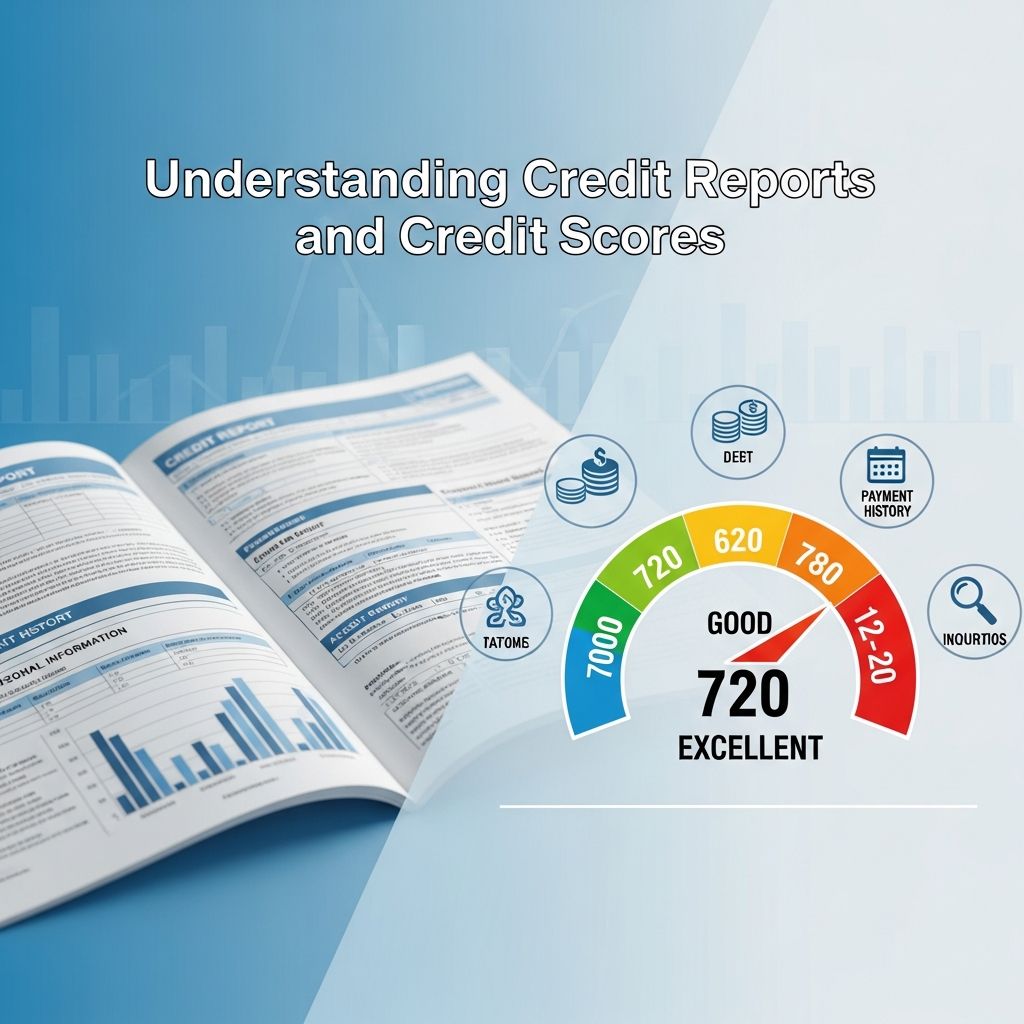
Many people use the terms “credit report” and “credit score” interchangeably, but they represent two distinct aspects of your financial profile. Your credit report is a detailed account of your credit history, while your credit score is a three-digit number that signifies your creditworthiness. Understanding the difference between these two concepts is essential for managing your finances effectively and building a strong financial future.
What Is a Credit Report?
A credit report is a comprehensive collection of all your credit activities spanning the past 7 to 10 years. This document serves as a complete record of your financial behavior and is maintained by credit reporting agencies. Your credit report includes several critical pieces of information that lenders and creditors use to assess your reliability as a borrower.
The primary components of a credit report include:
- Payment history: Records of your payment behavior on credit cards, auto loans, mortgages, and other credit accounts, including any missed or late payments
- Public financial records: Information about bankruptcies, tax liens, court judgments, and other legal financial matters
- Credit inquiries: A record of every entity that has accessed your credit report within the past two years, including both hard inquiries from lenders and soft inquiries from other sources
- Account information: Details about your open and closed credit accounts, including account types, credit limits, balances, and payment status
You are entitled to one free credit report annually from each of the three major credit reporting agencies—Equifax, Experian, and TransUnion—through AnnualCreditReport.com. Reviewing your credit report regularly is important because it allows you to verify accuracy and identify potential errors or fraudulent activity.
What Is a Credit Score?
Your credit score is a three-digit numerical representation of your creditworthiness, typically ranging from 300 to 850. This number is calculated using the information contained in your credit report and serves as a quick assessment tool that financial institutions use to evaluate your credit risk and determine lending decisions.
It’s important to understand that you don’t have just one credit score. Different companies calculate credit scores using different methodologies, and your score may vary depending on which credit reporting agency provides the underlying data, the specific scoring model used, and the type of credit product being evaluated. Your scores also change constantly based on your financial activities and updates to your credit report.
While credit scores are useful indicators of your financial health, they are ultimately derived from the information in your credit report. Therefore, ensuring the accuracy of your underlying credit report data is crucial, as errors in your report can negatively impact your score.
How Credit Scores Are Calculated
The most widely used credit scoring model in the United States is the FICO score, created by the Fair Isaac Corporation. FICO scores are calculated using information from your credit report, grouped into five distinct categories, each with specific weight in the overall calculation.
The five components that make up your FICO score are:
| Component | Weight | Description |
|---|---|---|
| Payment History | 35% | Your record of paying bills on time, including any late or missed payments, bankruptcies, and collection accounts |
| Amounts Owed | 30% | Your credit utilization rate—the percentage of available credit you’re currently using |
| Length of Credit History | 15% | How long you’ve had credit accounts open, including both the age of your oldest account and the average age of all accounts |
| New Credit | 10% | Recent credit inquiries and newly opened accounts, which can temporarily lower your score |
| Credit Mix | 10% | The variety of credit types you use, such as credit cards, auto loans, and mortgages |
It’s worth noting that the importance of these categories may vary from person to person, and FICO considers both positive and negative information in your credit report when calculating your score.
Understanding Credit Score Ranges
Credit scores generally fall within a range of 300 to 850, with higher scores indicating better creditworthiness. Here’s how different score ranges are typically categorized:
- Poor credit (Below 580): Represents significant credit risk; you may face challenges in obtaining credit or have access only to credit with unfavorable terms
- Fair credit (580–669): Indicates some credit issues in your history; you may qualify for credit but likely at higher interest rates
- Good credit (670–739): Demonstrates responsible credit management; you’re likely to qualify for most credit products with reasonable interest rates
- Very good credit (740–799): Shows a strong track record of responsible borrowing; you’ll likely qualify for credit with favorable terms and competitive interest rates
- Excellent credit (800+): Represents the highest level of creditworthiness; you’ll have access to the best credit offers and lowest interest rates available
Scores in the good or excellent range generally provide greater access to better financial products and more favorable lending terms.
The Difference Between Credit Report and Credit Score
While credit reports and credit scores are related, they serve different purposes in your financial life. A credit report is a detailed statement containing comprehensive information about your credit activity and current credit situation, including your loan payment history and the status of your credit accounts. A credit score, by contrast, is a single numerical summary calculated from that report’s data.
Think of it this way: your credit report is like a detailed resume of your financial behavior, while your credit score is like a grade based on that resume. Your credit report provides the raw data, while your credit score interprets that data into an easy-to-understand number that lenders can use for quick decision-making.
Both your credit report and credit scores are important for determining whether you’ll qualify for a mortgage, credit card, auto loan, or other credit product, and they significantly influence the interest rates and terms you’ll be offered. However, the ways you access them differ—you can request one free credit report annually from each major agency, but you generally have to pay to view your credit score.
Types of Credit Scores
Beyond the basic FICO score, there are several other types of credit scores you should be aware of:
- Base FICO scores: Created for any type of lender, these scores range from 300 to 850 and predict the likelihood that you’ll fall behind on any type of credit obligation
- Industry-specific FICO scores: FICO creates specialized scores for auto lenders and credit card issuers, ranging from 250 to 900, designed to predict the likelihood you’ll fall behind on that specific type of account
- VantageScore: An alternative credit scoring model that varies slightly in range but uses similar scoring factors to FICO
Different lenders may use different credit scores depending on their preferences, the industry, and the specific type of credit or loan you’re applying for.
Why Credit Scores Matter
Your credit score plays a significant role in your financial life beyond just loan approvals. A strong credit score can impact:
- Your ability to qualify for loans and credit cards
- The interest rates you receive on credit products
- The credit limits offered to you
- Your eligibility for utility services and rental applications
- Potential employment opportunities, as some employers check credit reports for certain positions
Higher credit scores generally result in more favorable credit terms and lower interest rates, which can save you thousands of dollars over the life of a loan. This makes maintaining and improving your credit score an important financial priority.
How to Improve Your Credit Score
If you’re looking to boost your credit score, focus on these key strategies:
- Pay your bills on time: Payment history is the most significant factor in your credit score, accounting for 35% of your FICO score. Set up automatic payments or reminders to ensure you never miss a due date
- Reduce your credit utilization: Aim to use no more than 30% of your available credit limit. Pay down balances on your credit cards to lower your credit utilization ratio, which accounts for 30% of your score
- Keep old accounts open: The length of your credit history matters, so maintaining older accounts helps demonstrate long-term responsible credit management
- Limit new credit applications: Each credit inquiry can temporarily lower your score. Only apply for new credit when necessary
- Maintain a diverse credit mix: Having different types of credit—such as credit cards, auto loans, and mortgages—shows you can manage various credit types responsibly
- Monitor your credit report: Check your report annually for errors or fraud and dispute any inaccuracies you find
- Avoid debt collection: Do your best to keep accounts out of collection status, as this severely damages your credit score
Accessing Your Credit Report and Score
You can obtain your free annual credit reports from all three major credit reporting agencies—Equifax, Experian, and TransUnion—through AnnualCreditReport.com. However, while your credit report is free, your credit score typically requires payment to view. Many credit card companies and banks now offer free credit score monitoring to their customers, which can be a convenient way to track your score without paying separately.
It’s recommended that you review your credit report at least once per year to check for accuracy and identify any fraudulent activity. If you find errors, you have the right to dispute them with the credit reporting agency.
Frequently Asked Questions
Q: How often does my credit score change?
A: Your credit score changes constantly based on your financial activities. Every time you make a payment, pay down a balance, or open a new account, your score may be recalculated, which is why checking it regularly is helpful for monitoring your progress.
Q: Can I get my credit score for free?
A: While your credit report is free annually from AnnualCreditReport.com, your credit score typically requires payment. However, many credit card companies, banks, and online services now offer free credit score monitoring to customers.
Q: How long does negative information stay on my credit report?
A: Most negative information remains on your credit report for 7 to 10 years, depending on the type of information. Bankruptcies may stay longer. Over time, the impact of negative items diminishes.
Q: Does checking my credit report hurt my score?
A: No, checking your own credit report is considered a soft inquiry and does not affect your credit score. Only hard inquiries from lenders when you apply for credit can temporarily lower your score.
Q: What’s the difference between a hard and soft inquiry?
A: A hard inquiry occurs when you apply for credit, and it may temporarily lower your score. A soft inquiry happens when you or a company checks your credit for non-lending purposes, and it doesn’t affect your score.
References
- Credit Report vs Credit Score – Financial Education — University of Wisconsin-Madison Extension. https://finances.extension.wisc.edu/articles/credit-report-vs-score/
- Credit Scores — MyCreditUnion.gov. https://mycreditunion.gov/manage-your-money/credit/credit-scores
- How are FICO Scores Calculated? — myFICO. https://www.myfico.com/credit-education/whats-in-your-credit-score
- What Is a Credit Score & Why Is It Important? — Equifax. https://www.equifax.com/personal/education/credit/score/articles/-/learn/what-is-a-credit-score/
- What is the difference between a credit report and a credit score? — Consumer Finance Protection Bureau (CFPB). https://www.consumerfinance.gov/ask-cfpb/what-is-the-difference-between-a-credit-report-and-a-credit-score-en-2069/
- What Is a Good Credit Score? — Experian. https://www.experian.com/blogs/ask-experian/credit-education/score-basics/what-is-a-good-credit-score/
- Understand, get, and improve your credit score — USAGov. https://www.usa.gov/credit-score
Similar Articles








Read full bio of Sneha Tete