Understanding Your Credit Report: A Complete Guide
Learn what information appears on your credit report and why it matters for your financial future.

Your credit report serves as a financial snapshot of your borrowing and repayment habits. Credit bureaus compile this document to help lenders assess your reliability as a borrower. Understanding what appears on your credit report and how it’s structured can empower you to manage your finances more effectively and identify potential errors that might affect your creditworthiness.
What Is a Credit Report and Its Purpose
A credit report is a comprehensive record that documents your credit history over time. Rather than a single score, it’s a detailed compilation of financial information collected by credit reporting agencies—also known as credit bureaus. These agencies gather data from various creditors and lenders to create a portrait of how you handle debt.
The primary purpose of a credit report is to provide lenders, creditors, and other financial institutions with information they need to make informed decisions about whether to extend credit to you. When you apply for a mortgage, auto loan, credit card, or even rent an apartment, the organization evaluating your application will typically review your credit report to determine your level of financial responsibility.
Your creditworthiness—the likelihood that you’ll repay borrowed money on time—is heavily influenced by the information documented in your credit report. This is why maintaining accurate information and responsible credit habits is essential for your financial health.
The Three Major Credit Bureaus
In the United States, three nationwide credit reporting agencies maintain most consumer credit reports. These agencies operate independently, which means each bureau may have slightly different information about you:
- Equifax — One of the largest credit reporting agencies that maintains records on millions of consumers
- Experian — Another major credit bureau that collects and maintains credit information
- TransUnion — The third major agency in the national credit reporting system
Because creditors may report to different bureaus, or report inconsistently across them, your credit reports from each agency may contain variations. This is why it’s important to review reports from all three agencies periodically.
The Four Main Sections of Your Credit Report
Credit reports are organized into distinct sections, each serving a specific purpose in documenting your financial history. Understanding how these sections are arranged helps you navigate your report and identify important information.
Identifying Information Section
The first section of your credit report contains your personally identifiable information (PII). This includes:
- Full legal name
- Current and previous addresses
- Social Security Number
- Date of birth
- Employment information (sometimes)
Importantly, this identifying information is not used in the calculation of your credit score. Instead, it serves to verify your identity and ensure that the credit history belongs to you. Inaccuracies in this section could indicate identity theft, so reviewing it carefully is worthwhile.
Credit Account History and Payment Records
The credit account history section is the most significant portion of your credit report. This section contains detailed information about every credit account you’ve opened, including both currently active accounts and closed accounts from the past seven to ten years.
For each account listed, your credit report will show:
- Type of credit account (credit card, auto loan, mortgage, student loan, etc.)
- Name of the creditor or lender
- Account opening date
- Credit limit or original loan amount
- Current balance owed
- Payment history and record of on-time or late payments
- Highest balance ever carried on the account
- Date the creditor last reported information to the bureau
- Past due amounts, if any
Your payment history within this section is critical because it represents 35% of your credit score calculation. Late or missed payments are recorded with the number of days past due (30, 60, 90, 120, or 150 days), making it easy for lenders to see patterns of delinquency.
Inquiry Information
This section documents everyone who has accessed your credit report within the past two years. There are two types of inquiries that appear here:
- Hard inquiries — Occur when you apply for credit and authorize the lender to review your report. These inquiries are visible to other lenders evaluating your creditworthiness
- Soft inquiries — Result from lenders reviewing your report to send pre-approved offers or when you check your own credit. Only you can see soft inquiries on your report
Multiple hard inquiries within a short period can negatively impact your credit score, as they suggest you’re seeking new credit aggressively.
Public Records and Collections
This section includes negative financial information from public records, such as:
- Bankruptcy filings
- Tax liens
- Court judgments
- Collection accounts
These items remain on your credit report for seven to ten years depending on the type of information and local regulations. Even after accounts are resolved, they continue to appear during this timeframe, though their impact on your credit score diminishes over time.
What Information Is Missing From Your Report
It’s important to understand that credit reports don’t contain a complete picture of your financial life. Your report doesn’t include:
- Specific details about individual purchases made on accounts
- Information about accounts you haven’t opened with creditors
- Salary or income information (except what you’ve reported to creditors)
- Bank account balances or savings
- Utility payment history (unless sent to collections)
- Insurance claims or payment records
Some creditors may not report to all three bureaus, meaning certain accounts might appear on one report but not others. Similarly, some creditors stop reporting after you’ve closed an account, and closed accounts eventually drop off your report entirely.
How Your Credit Report Influences Credit Scores
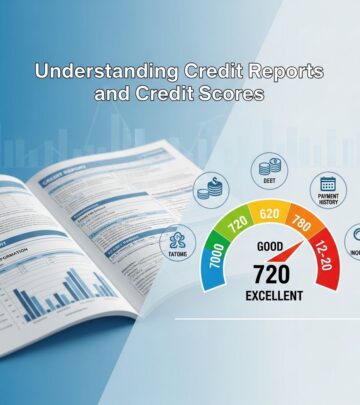
While your credit report and credit score are related, they are not the same thing. Your credit report is the raw data—the factual record of your credit activities. Your credit score is a three-digit number (typically ranging from 300 to 850 for FICO scores) calculated using information from your credit report.
Companies use the information in your credit report to calculate your credit score using a weighted formula. The FICO score, the most commonly used credit scoring model, weighs the following factors:
- Payment History (35%) — Your track record for paying bills on time
- Amounts Owed (30%) — How much of your available credit you’re currently using
- Length of Credit History (15%) — How long you’ve had credit accounts open
- New Credit (10%) — Recent credit applications and new accounts
- Credit Mix (10%) — Variety in types of credit you manage
Understanding these components helps explain why certain information on your credit report matters more than others.
Building and Monitoring Your Credit Report
Building credit requires establishing a reliable record of responsible financial behavior. This involves opening credit accounts and demonstrating that you can manage debt effectively by making payments on time and keeping balances reasonable.
Once you open credit accounts, creditors report your payment behavior to the credit bureaus. Each on-time payment adds positive information to your credit report, while missed or late payments damage it. Over time, a consistent pattern of responsible credit use creates a credit report that reflects strong creditworthiness.
Monitoring your credit report is essential for catching errors, detecting potential fraud, and understanding factors that might be limiting your credit opportunities. You can request a free credit report annually from each of the three major bureaus through AnnualCreditReport.com. Checking these reports regularly helps ensure the information is accurate and complete.
Common Questions About Credit Reports
How long does information stay on my credit report?
Most negative information remains on your credit report for seven years, while some items like mortgages in good standing may stay for up to ten years after being closed. Bankruptcy information typically remains for ten years.
Can I dispute errors on my credit report?
Yes, you have the right to dispute inaccurate or incomplete information on your credit report. The credit bureau must investigate your dispute and correct errors within a specific timeframe.
Do credit inquiries hurt my credit score?
Hard inquiries may cause a small, temporary decline in your credit score, but soft inquiries have no impact. Multiple hard inquiries within a short period can signal increased credit-seeking behavior to lenders.
Why do my credit reports differ across the three bureaus?
Creditors report to different bureaus at different times, and not all creditors report to all three bureaus. This causes variations in the information each bureau maintains about you.
Taking Control of Your Credit Future
Your credit report is a powerful document that influences your financial opportunities. By understanding its structure, contents, and impact on your creditworthiness, you can take deliberate steps to build and maintain healthy credit. Regular monitoring, accurate information, and responsible credit management create a positive credit report that opens doors to better interest rates, higher credit limits, and improved financial outcomes.
References
- How To Read Your Credit Report — First Neighbor Bank. https://firstneighbor.com/download/Credit-Reports_How-to-Read-Your-Credit-Report.pdf
- What Is a Credit Report & What Is on It? — Equifax. https://www.equifax.com/personal/education/credit/report/articles/-/learn/what-is-a-credit-report-and-what-is-on-it/
- A Guide to What’s in Your Credit Report — myFICO. https://www.myfico.com/credit-education/whats-in-my-credit-report
- How to Understand Your Credit Score & Report — TD Bank. https://www.td.com/us/en/personal-banking/learning/understanding-your-credit
- Credit Report vs Credit Score — Financial Education, University of Wisconsin Extension. https://finances.extension.wisc.edu/articles/credit-report-vs-score/
- How To Read A Credit Report & Identify Mistakes — Bankrate. https://www.bankrate.com/personal-finance/credit/how-to-read-a-credit-report/
- Credit Explained: What You Need to Know — Institution for Savings. https://www.institutionforsavings.com/credit-explained-what-you-need-to-know
- Credit Scores — MyCreditUnion.gov. https://mycreditunion.gov/manage-your-money/credit/credit-scores
Similar Articles








Read full bio of Sneha Tete