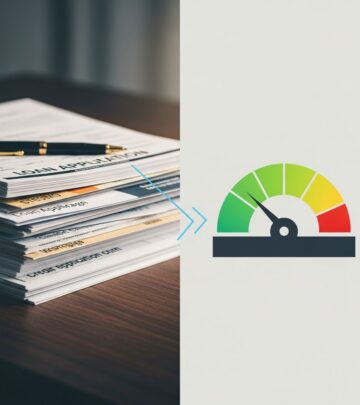
Understanding Credit Inquiries and Their Impact
Learn how different types of credit checks affect your financial profile and credit score.

When you apply for credit—whether it’s a mortgage, auto loan, credit card, or other financial product—lenders need information to assess your risk as a borrower. One crucial tool they use is a credit inquiry, which allows them to access your credit report and evaluate your creditworthiness. However, not all credit inquiries are created equal. Understanding the differences between types of credit checks and how they affect your credit profile is essential for maintaining good financial health.
What Exactly Is a Credit Inquiry?
A credit inquiry, also known as a credit check or credit pull, occurs when a lender, creditor, employer, or other authorized entity accesses your credit report to make decisions about extending credit or services to you. A credit score is a number—typically between 300-850—that estimates how likely you are to repay a loan and make payments on time. These inquiries are recorded on your credit report and can influence how lenders perceive your risk level.
According to the Consumer Finance Protection Bureau, companies use a mathematical formula—called a scoring model—to create your credit score from the information in your credit report. Credit inquiries form part of this information landscape and can indicate recent credit-seeking behavior.
The Two Primary Categories of Credit Inquiries
Credit inquiries fall into two distinct categories, each with different implications for your credit profile:
Hard Inquiries: Direct Credit Applications
Hard inquiries occur when you formally apply for credit products. These inquiries happen when you submit an application for a mortgage, auto loan, credit card, student loan, or personal loan. During this process, the lender pulls your complete credit report to assess your creditworthiness and determine the risk involved in lending you money.
A significant characteristic of hard inquiries is their impact on your credit score. When a hard inquiry is recorded on your credit report, it may cause a temporary dip in your credit score. This reduction typically ranges from a few points to slightly more, depending on your overall credit profile and existing inquiries. The impact varies because a single event isn’t “worth” a certain amount of points—the change will depend on your entire credit report.
Hard inquiries remain visible on your credit report for approximately two years, though their impact on your score diminishes significantly after several months. Multiple hard inquiries within a short timeframe—such as when you’re shopping for the best mortgage or auto loan rates—may be treated as a single inquiry by credit scoring models if they occur within 14 to 45 days, depending on the scoring model used.
Soft Inquiries: Background Checks Without Credit Impact
Soft inquiries are credit checks that occur without your formal application for credit. These inquiries happen when potential lenders conduct preliminary reviews of your credit, when you check your own credit report, when current creditors monitor existing accounts, or when employers conduct background checks. Soft inquiries might also occur when companies pre-screen you for credit offers or when utility companies verify your creditworthiness before establishing service.
The primary advantage of soft inquiries is that they do not affect your credit score. Because these inquiries don’t involve a formal application for credit, scoring models don’t interpret them as indicators of credit-seeking behavior. Additionally, soft inquiries are not visible to other lenders or creditors when they review your credit report—they only appear in your own personal credit report if you access it yourself.
Factors That Influence Credit Scoring
To understand why credit inquiries matter, it’s helpful to understand what factors influence your overall credit score. FICO Scores are calculated using many different pieces of credit data in your credit report, grouped into five categories: payment history (35%), amounts owed (30%), length of credit history (15%), new credit (10%) and credit mix (10%).
New credit applications, which relate to hard inquiries, represent 10% of your FICO score calculation. This relatively modest percentage reflects the fact that while new credit inquiries matter, they are less influential than other factors like your payment history and current debt levels.
| Credit Score Factor | Importance | What It Measures |
|---|---|---|
| Payment History | 35% | Whether you pay bills on time and manage delinquencies |
| Amounts Owed | 30% | Your total debt and credit utilization ratio |
| Length of Credit History | 15% | How long you’ve maintained credit accounts |
| New Credit | 10% | Recent credit applications and hard inquiries |
| Credit Mix | 10% | Variety of credit types you manage |
Understanding Credit Scores and Their Ranges
Credit scores typically range from 300 to 850, with scores usually placed into one of five categories: poor, fair, good, very good and excellent. Where your score falls determines how lenders view your risk level and what terms they offer you.
For credit scores that range from 300 to 850, a credit score in the mid to high 600s or above is generally considered good. However, the specific categorization depends on the credit scoring model being used. Different lenders may use slightly different interpretations of score ranges when making lending decisions.
Understanding these ranges helps you contextualize where you stand financially and what improvements might help you qualify for better lending terms.
How Credit Inquiries Relate to Your Overall Profile
While credit inquiries represent just 10% of your FICO score, they serve an important function in the broader credit assessment picture. Factors that are typically taken into account by credit scoring models include your bill-paying history, your current unpaid debt, the number and type of loan accounts you have, how long you have had your loan accounts open, how much of your available credit you’re using, and new applications for credit.
Hard inquiries signal to lenders that you are actively seeking credit. A small number of inquiries over time is normal and expected, especially when you’re shopping for major purchases like homes or vehicles. However, a large number of hard inquiries within a short period—particularly when combined with other risk factors—may signal financial desperation or potential fraud, making lenders more cautious about extending credit to you.
Protecting Your Credit During the Inquiry Process
Since hard inquiries can temporarily impact your credit score, it’s wise to be strategic about when and how you apply for new credit:
- Consolidate applications: If you’re shopping for rates on the same type of credit (like mortgages or auto loans), do your shopping within a concentrated timeframe so multiple inquiries may be treated as one
- Limit new applications: Avoid applying for multiple different types of credit simultaneously unless you have a specific financial reason
- Monitor your credit report: Check your credit report regularly to ensure inquiries are legitimate and accurately recorded
- Review pre-approved offers: These typically involve soft inquiries, making them a lower-risk way to explore credit options
- Understand your needs: Only apply for credit you actually need, rather than pursuing multiple offers out of curiosity
The Role of Credit Reports in the Inquiry Process
A credit score is a prediction of your credit behavior, such as how likely you are to pay a loan back on time, based on information from your credit reports. Your credit report is the underlying document that contains all the information—including inquiry records—that scoring models analyze.
Companies use your credit scores to make decisions on whether to offer you a mortgage, credit card, auto loan, and other credit products, as well as for tenant screening and insurance, and to determine the interest rate and credit limit you receive. This is why maintaining an accurate credit report and understanding what appears on it is crucial for your financial future.
Multiple Credit Inquiries and Rate Shopping
A common concern among consumers is whether shopping around for the best loan rates will severely damage their credit. The good news is that most credit scoring models recognize rate shopping behavior and treat multiple inquiries for the same type of credit as a single inquiry within a specific window.
This protection exists because lenders want to encourage consumers to comparison shop for the best terms rather than accept the first offer. Whether you’re comparing mortgage rates, auto loan rates, or credit card offers, you can typically apply with multiple lenders within 14 to 45 days without facing the cumulative impact of multiple hard inquiries.
Monitoring and Managing Your Credit Inquiries
Taking an active role in managing your credit inquiries is part of responsible financial stewardship. Consider these practices:
- Request your free annual credit report from each of the three major bureaus—Equifax, Experian, and TransUnion
- Review all inquiries listed on your report to ensure they are legitimate and that you authorized them
- Report any unauthorized inquiries to the credit bureau and the institution that performed the inquiry
- Keep track of applications you’ve submitted to understand what inquiries should appear on your report
- Space out credit applications over time if you’re not actively rate shopping
Common Misconceptions About Credit Inquiries
Several myths exist about how credit inquiries affect your financial profile. Understanding the truth helps you make better decisions:
- Myth: Simply checking your own credit score will damage it. Truth: Checking your own credit is a soft inquiry and has no impact on your score
- Myth: One hard inquiry will significantly lower your score. Truth: A single hard inquiry typically causes a modest, temporary decrease in your score
- Myth: Hard inquiries stay on your report forever. Truth: Hard inquiries typically remain visible for two years but impact your score less as time passes
- Myth: All credit checks are visible to other lenders. Truth: Only hard inquiries are visible to other lenders; soft inquiries appear only on your personal report
Building Credit Responsibly While Managing Inquiries
Responsible credit building involves more than just managing inquiries. Your credit scores are calculated using the information found in your credit report, and your payment history, the mix of credit accounts you have, the length of your credit history and your credit utilization rate are all factors that might influence your credit scores.
Focus on the factors that matter most: paying all bills on time, keeping credit card balances low relative to your limits, and maintaining a mix of different types of credit accounts. By managing these primary factors well, the impact of credit inquiries becomes less significant in your overall profile.
Conclusion: Credit Inquiries in Context
Credit inquiries are a normal part of the borrowing process, and understanding their role helps you navigate credit decisions with confidence. Hard inquiries have a modest impact on your credit score and fade over time, while soft inquiries don’t affect your score at all. By being strategic about when you apply for credit, monitoring your credit report for accuracy, and focusing on the factors that have the greatest impact on your score, you can build and maintain strong creditworthiness without unnecessary worry about the inquiry process.
References
- What’s in Your FICO Scores? — myFICO. Accessed February 2026. https://www.myfico.com/credit-education/whats-in-your-credit-score
- What is a Credit Score? — Consumer Financial Protection Bureau. https://www.consumerfinance.gov/ask-cfpb/what-is-a-credit-score-en-315/
- Credit Scores — Federal Trade Commission. https://consumer.ftc.gov/credit-scores
- What Is a Good Credit Score? — Experian. https://www.experian.com/blogs/ask-experian/credit-education/score-basics/what-is-a-good-credit-score/
- What Are the Different Ranges of Credit Scores? — Equifax. https://www.equifax.com/personal/education/credit/score/articles/-/learn/credit-score-ranges/
- Credit Score Basics: Everything You Need to Know — Experian. https://www.experian.com/blogs/ask-experian/credit-education/score-basics/understanding-credit-scores/
- What is a Credit Score and How is it Calculated? — Better Money Habits, Bank of America. https://bettermoneyhabits.bankofamerica.com/en/credit/how-credit-score-is-calculated
Similar Articles








Read full bio of Sneha Tete