Understanding Credit Card Statement Balance
Learn the key differences between statement and current balance

Managing a credit card effectively requires understanding the various balances associated with your account. One of the most important figures you’ll encounter is your statement balance, which forms the foundation of how credit card companies determine what you owe and when payments are due. Many cardholders find themselves confused about the difference between their statement balance and the real-time balance shown on their account, leading to payment mistakes and unnecessary interest charges.
The Fundamentals of Statement Balance
Your statement balance is a snapshot of what you owe on your credit card account at the conclusion of your billing cycle. This fixed figure includes every purchase, fee, interest charge, and payment that posted to your account during that specific period. Unlike the constantly changing real-time balance, your statement balance remains static once your billing cycle closes.
The billing cycle typically spans 28 to 31 days, though the exact duration can vary by issuer. This cycle determines which transactions appear on your current statement and which transactions will appear on your next statement. Understanding this timing is crucial because it directly affects your payment obligations and interest calculations.
When your billing cycle concludes, your credit card issuer generates a monthly statement that displays your statement balance prominently. This amount reflects the total of all transactions that posted during that period, minus any payments you made. The statement balance becomes the foundation for calculating your minimum payment, determining interest charges, and establishing your payment deadline.
What Gets Included in Your Statement Balance
Your statement balance incorporates several components that accumulate throughout your billing cycle:
- All new purchases you made with your card during the billing period
- Any interest charges that accrued on existing balances
- Annual fees or other account-related charges
- Any unpaid balance carried over from your previous billing cycle
- Payments and credits you applied to your account during the period
- Balance transfers initiated during that billing cycle
- Cash advances and associated fees
The statement balance does not include any activity that occurs after your billing cycle closes. This is a critical distinction. If you make a purchase on the day after your statement closes, that transaction won’t appear on your current statement balance—it will show up on your next month’s statement or as part of your current balance if you check your account online.
How Statement Balance Differs From Current Balance
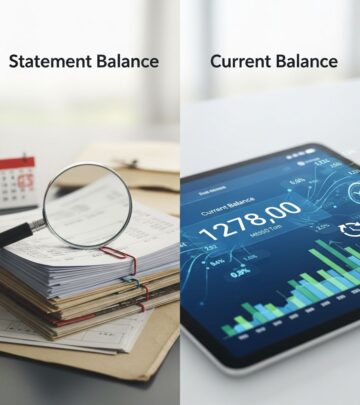
The distinction between statement balance and current balance represents one of the most misunderstood aspects of credit card management. While your statement balance is fixed and reflects a specific point in time, your current balance changes continuously.
Your current balance represents the real-time amount you owe on your credit card account. This figure updates constantly as new transactions post to your account, as you make payments, and as interest accrues. When you log into your credit card issuer’s website or mobile app between billing cycles, the balance you see is your current balance, not your statement balance.
| Characteristic | Statement Balance | Current Balance |
|---|---|---|
| Calculation Frequency | Once per billing cycle at close | Continuously updated in real-time |
| What It Includes | Transactions through statement close date | All transactions including recent activity |
| Changes After Statement Closes | Remains fixed | Changes with every transaction |
| Due Date Requirement | Payment due by specified date | No single due date applies |
| Interest Impact | Determines interest charges for cycle | Affects ongoing interest calculations |
Consider a practical example: suppose your statement closes on the 15th with a balance of $500. On the 20th, you make a $200 purchase. Your statement balance remains $500, but your current balance is now $700. If you check your account on the 20th, you’ll see $700, but your statement still shows $500 as the amount due by your payment deadline.
The Role of the Grace Period
Understanding your statement balance becomes essential when considering the grace period offered by most credit card issuers. A grace period is an interest-free window that allows you to avoid paying interest on new purchases if you pay your statement balance in full by the due date.
This is why your statement balance matters more than your current balance for immediate payment purposes. By paying your complete statement balance before the deadline, you preserve your grace period and avoid interest charges on the purchases from that billing cycle. However, if you only pay part of your statement balance, you lose the grace period, and interest begins accruing on both the remaining balance and any new purchases you make.
To maintain the benefits of the grace period and avoid unnecessary interest charges, the goal should be to pay your statement balance in full each month. This approach ensures you’re not paying interest on the money you’ve borrowed and helps you manage your debt more effectively.
Impact on Credit Utilization and Credit Score
Your statement balance also plays a significant role in your credit utilization ratio, which measures the percentage of your available credit that you’re currently using. Credit agencies typically report your statement balance to credit bureaus, not your current balance, making it the figure that most directly affects your credit score.
If your statement balance is high relative to your credit limit, your credit utilization ratio increases, which can negatively impact your credit score. Even if you plan to pay off your statement balance in full, the ratio is calculated based on that closing balance. This is why some financial experts recommend making a payment before your statement closes to lower the statement balance and improve your credit utilization ratio.
Managing your statement balance strategically can be an effective way to maintain a healthy credit profile. Lower statement balances lead to lower credit utilization ratios, which can help improve your credit score over time.
Minimum Payment Calculations
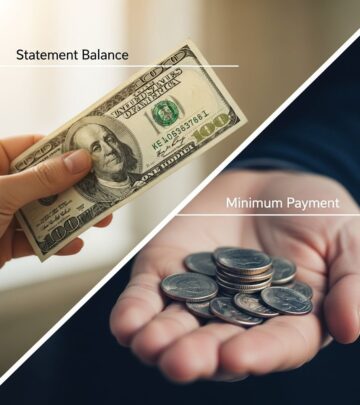
Your credit card issuer uses your statement balance to calculate your minimum monthly payment. This minimum is typically a percentage of your statement balance, often around 1-3% depending on your credit card agreement and issuer policies.
While paying only the minimum meets your minimum obligation, it’s rarely the optimal strategy for managing your credit card debt. Paying only the minimum means you’ll carry a balance forward to the next month, incurring interest charges and extending the time it takes to eliminate your debt. The minimum payment is designed to ensure the credit card company receives some payment while protecting themselves through interest accumulation, not to serve your financial interests.
Frequently Asked Questions
Why does my statement balance differ from my current balance?
Your statement balance is frozen at a specific point in time—when your billing cycle ends. Your current balance, meanwhile, updates constantly to reflect purchases, payments, and fees that occur after your statement closes. Any activity between your statement close date and today contributes to your current balance but not your statement balance.
Should I pay my statement balance or current balance?
To avoid interest and maintain your grace period, you should pay your statement balance by the due date. If you want to eliminate more debt or improve your credit utilization ratio, you can pay your current balance instead, but you’re only required to pay the statement balance to avoid late fees and interest on that particular billing cycle.
What happens if I only pay part of my statement balance?
If you pay less than your full statement balance, you’ll typically lose your grace period, and interest will begin accruing on the remaining balance and new purchases going forward. This results in additional costs and makes your debt more expensive to carry.
How long does my statement balance stay the same?
Your statement balance remains the same until your next billing cycle closes and a new statement is generated. The amount doesn’t change based on payments you make or new purchases, as those elements will affect your next statement instead.
Can my current balance be lower than my statement balance?
Yes. If you’ve made payments after your statement closed, your current balance can be lower than your statement balance. For instance, if your statement balance was $500 and you paid $200 after the statement closed, your current balance would be $300.
Strategic Management of Your Statement Balance
Effective credit card management involves paying attention to your statement balance for several reasons. First, prioritize paying your statement balance in full by the due date to preserve your grace period and avoid interest charges. Second, monitor your statement balance relative to your credit limit to ensure your credit utilization ratio remains healthy, ideally below 30%.
If you’re carrying a balance from month to month, you might consider making payments between statement cycles to reduce your current balance and lower the amount that will appear as your next statement balance. This strategy can help you reduce the total interest you pay and improve your credit score more quickly.
Understanding the difference between statement balance and current balance empowers you to make informed decisions about your credit card payments and overall financial health. By recognizing that your statement balance determines your immediate payment obligations while your current balance represents your true real-time debt, you can develop a more strategic approach to managing your credit.
References
- Statement Balance vs. Current Balance: Differences Explained — Ramp. 2024. https://ramp.com/blog/statement-balance-vs-current-balance
- Statement balance vs. current balance: How they differ — Capital One. 2024. https://www.capitalone.com/learn-grow/money-management/statement-balance-vs-current-balance/
- What Is the Statement Balance on a Credit Card? — Experian. 2024. https://www.experian.com/blogs/ask-experian/what-is-statement-balance/
- Statement Balance vs. Current Balance — Chase Bank. 2024. https://www.chase.com/personal/credit-cards/education/basics/statement-balance-vs-current-balance
- Statement Balance vs. Current Balance: What’s the Difference? — American Express. 2024. https://www.americanexpress.com/en-us/credit-cards/credit-intel/statement-balance-vs-current-balance/
Similar Articles








Read full bio of medha deb