Credit Card Grace Periods: What They Are And How To Use Them
Master the interest-free window that can save you money on every purchase

A grace period is a crucial feature of credit card accounts that many cardholders don’t fully utilize. It represents the time window between when your billing cycle concludes and your payment deadline arrives, during which no interest charges accrue on your purchases. Understanding how this mechanism works can significantly impact your financial strategy and help you avoid unnecessary interest expenses.
What Exactly Is a Grace Period?
At its core, a grace period is an interest-free interval that credit card issuers extend to customers. Think of it as an interest-free loan during this window. When you use your credit card to make a purchase, that transaction is recorded during a specific billing cycle. Once that cycle ends, the issuer generates your statement, and the clock starts on your grace period.
The grace period extends from the statement closing date through your payment due date. During this timeframe, if you pay your entire statement balance, you won’t owe any interest charges on the purchases made during that billing cycle. This differs significantly from carrying a balance month-to-month, where interest begins accumulating immediately after the due date passes.
Typical Duration of Credit Card Grace Periods
Grace periods are not uniform across all credit card issuers, though regulatory requirements establish a baseline standard. Federal law mandates that credit card companies must provide at least 21 days between when they deliver your statement and your payment due date. However, many issuers choose to exceed this minimum requirement.
In practice, most credit cards offer grace periods ranging from 21 to 25 days. Some premium credit cards or promotional offers may extend this period even further. Certain cards offer introductory promotional grace periods that can stretch up to 55 days for new cardholders, providing an extended interest-free window during the initial stages of card ownership.
It’s important to note that the actual length depends on your specific card issuer. Chase credit cards, for example, typically provide at least 21 days from the end of your monthly billing cycle until your due date, though some business credit cards from Chase may offer slightly shorter periods of 20 days.
How Grace Periods Actually Function in Practice
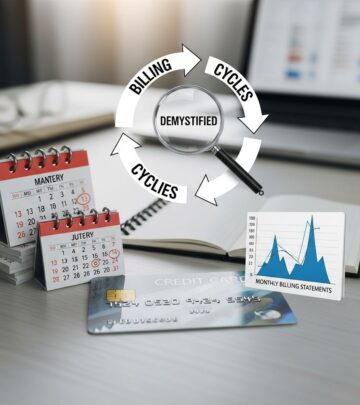
Understanding grace periods requires grasping how billing cycles interact with grace periods. Consider this practical example: You purchase plane tickets on April 27th, right at the start of a new billing cycle. Your billing cycle closes on May 26th. You then have a 21-day grace period after that, with your payment due around June 16th. This means you have several weeks between your purchase and when payment is actually required.
The grace period mechanism creates an opportunity to align your purchases with your paycheck schedule. If you receive paychecks on the 1st and 15th of each month, you might have three or even four paychecks between making a purchase and the deadline to pay it off. This alignment can significantly improve your cash flow management.
However, a critical condition applies: you must pay your previous balance in full for the grace period to activate on new purchases. If you carry a balance from one month to the next, the grace period on new purchases may not apply until that previous balance is completely paid off.
Extending Your Interest-Free Period
Savvy credit card users can effectively create an extended grace period by timing their purchases strategically. If you make a purchase early in a billing cycle—say on the first day—that transaction won’t appear on your statement until the following billing cycle. Once that statement closes, you then have an additional 21+ days to pay.
For example, suppose you buy a $200 appliance on April 4th. Your billing cycle ends on April 10th, but your payment isn’t due until May 1st (21 days later). You’ve effectively had nearly a month to gather funds for that purchase. Strategic purchasing at the beginning of your billing cycle can nearly double the grace period you receive.
Important Exceptions to Grace Period Coverage
While grace periods provide excellent protection for regular purchases, they don’t apply universally to all credit card transactions. Certain types of transactions are explicitly excluded from grace period protections:
- Cash advances: When you withdraw cash using your credit card, interest typically begins accruing immediately, often at a higher rate than standard purchases
- Balance transfers: Moving balances from one card to another usually incurs interest charges, regardless of grace period status
- Specialty transactions: Some cards may exclude other transaction types from grace period protections
Understanding these exclusions is essential when planning your credit card strategy. If you need cash or want to transfer a balance, the grace period won’t protect you from interest charges.
Losing and Recovering Your Grace Period
One of the most important aspects of grace periods is understanding how easily you can lose this benefit. If you fail to pay your entire statement balance by the due date, you forfeit the grace period on future purchases. The grace period doesn’t simply disappear for that one month; its absence can persist until you demonstrate renewed payment responsibility.
The good news is that grace periods can be reinstated. Many issuers, including Chase, will reinstate your grace period if you pay your balance in full for two consecutive billing cycles. This recovery period allows responsible borrowers to regain their interest-free advantage after a lapse.
Grace Periods Across Different Card Types
While most consumer credit cards offer grace periods on purchases, the specifics vary by issuer and card type. Capital One consumer credit cards, for instance, include grace periods that encompass both the time from purchase until the end of the billing cycle, plus at least 21 days from the end of that cycle until your payment due date. This means potential grace periods could extend nearly two months for strategically timed purchases.
Business credit cards sometimes operate under different rules. Some business cards may have slightly shorter grace periods than their consumer counterparts. If you hold a business credit card, verify the specific grace period terms with your issuer rather than assuming standard consumer card timelines.
The Strategic Advantage of Understanding Grace Periods
The ability to use grace periods effectively transforms how you approach credit card usage. If you consistently pay your entire balance during the grace period, you essentially receive an interest-free loan every single month. Over a year, this can mean hundreds of dollars in avoided interest charges, particularly on larger purchases.
Furthermore, maintaining this payment pattern benefits your credit score. Payment history comprises 35% of your FICO score calculation, and consistently paying on time demonstrates financial responsibility. The combination of avoiding interest charges while building credit history makes grace periods a powerful financial tool.
Common Questions About Grace Periods
Do all credit cards offer grace periods?
While federal law doesn’t mandate that issuers offer grace periods, the vast majority of mainstream credit cards do provide them. However, some specialty cards or subprime cards targeted at borrowers with poor credit may not offer grace periods. Always review your card’s terms and conditions to confirm.
Can grace periods be longer than 25 days?
Yes, absolutely. Some premium cards extend grace periods beyond the standard 21-25 day range. Additionally, by timing your purchases strategically at the beginning of your billing cycle, you can effectively extend your grace period to nearly 50+ days.
What happens if I pay part but not all of my balance?
If you don’t pay your complete statement balance, interest will accrue on the remaining balance. The grace period applies only to the amount you’ve paid in full. Your grace period status for future purchases may also be affected depending on your card issuer’s policies.
How do I find my card’s specific grace period?
Your credit card’s terms and conditions document contains this information. You can also contact your card issuer directly or check your online account portal, which typically displays payment due dates and grace period information.
Maximizing Your Grace Period Benefits
To fully leverage grace periods, adopt these strategies:
- Pay in full every month: This maintains your grace period eligibility and eliminates interest charges entirely
- Time large purchases strategically: Make significant purchases early in your billing cycle to maximize the time before payment is due
- Track your billing cycle dates: Knowing when your cycle closes and when payment is due helps you plan cash flow effectively
- Monitor your statement: Review statements promptly to ensure all transactions are accurate and to confirm your grace period status
- Distinguish between purchase types: Remember that cash advances and balance transfers don’t receive grace period protection
The Bottom Line on Grace Periods
Grace periods represent one of the most valuable benefits of credit card ownership when used responsibly. By understanding how these interest-free windows function, recognizing their typical 21-25 day duration, and implementing strategic payment practices, you can transform your credit card from a debt-accumulation tool into a powerful financial asset. The key is committing to paying your full balance during the grace period, which simultaneously protects you from interest charges and strengthens your overall financial health.
References
- What is a Grace Period on a Credit Card — Chase Bank. https://www.chase.com/personal/credit-cards/education/basics/what-is-a-credit-card-grace-period
- How Credit Card Grace Periods Work — NerdWallet. https://www.nerdwallet.com/credit-cards/learn/credit-card-grace-period
- What Is a Grace Period on a Credit Card? — American Express. https://www.americanexpress.com/en-us/credit-cards/credit-intel/credit-card-grace-period/
- What Is a Grace Period on a Credit Card? — Capital One. https://www.capitalone.com/learn-grow/money-management/credit-card-grace-period/
- How To Use Your Grace Period To Avoid Paying Interest — Bankrate. https://www.bankrate.com/credit-cards/zero-interest/how-to-use-grace-period-to-avoid-paying-interest/
- What is a grace period for a credit card? — Consumer Finance Protection Bureau. https://www.consumerfinance.gov/ask-cfpb/what-is-a-grace-period-for-a-credit-card-en-47/
Similar Articles








Read full bio of Sneha Tete