Understanding Credit Card Declines: Common Causes
Discover why your credit card gets declined and how to resolve it
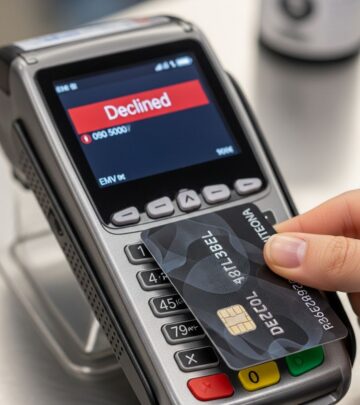
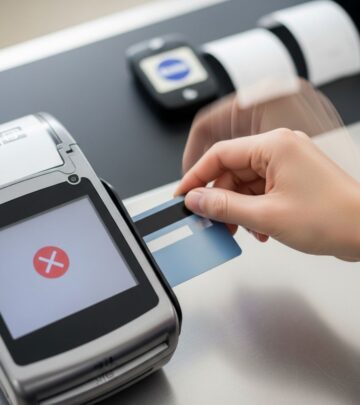
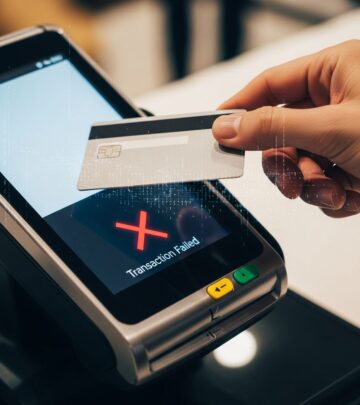
Credit card declines are a frustrating experience that occur more frequently than many consumers realize. Whether you’re at the checkout counter, shopping online, or making a subscription payment, a declined card can disrupt your purchase and raise questions about your financial standing. Understanding the underlying reasons for these rejections—and knowing how to address them—can help you minimize disruptions and maintain better control over your finances.
The Scope of the Problem
Card declines impact a significant portion of the payment landscape. According to payment industry data, insufficient funds or credit represents the most prevalent cause, accounting for approximately 44% of all declines. This statistic reveals that roughly one in every two card rejections stems from straightforward account balance issues rather than more complex security or administrative problems. Understanding this prevalence highlights why it’s essential to monitor your account regularly and maintain awareness of your available funds.
Running Out of Available Credit
One of the most common reasons for card rejection is exceeding your credit limit. Your credit limit represents the maximum amount a card issuer permits you to borrow at any given time. For example, if your limit is $5,000 and your current balance stands at $4,800, a $300 purchase would be declined because approving it would push you $100 over your maximum.
This protective mechanism serves an important purpose: it prevents you from accumulating unsustainable debt. However, card issuers sometimes display varying policies regarding over-limit transactions. Some may permit purchases that exceed your limit but assess a fee for the overage. Regardless of these policies, maintaining a balance below your credit limit remains important for several reasons:
- It ensures transaction approval without complications
- It positively influences your credit utilization ratio, which comprises 30% of your FICO® Score
- It demonstrates responsible credit management to potential lenders
Financial experts recommend keeping your credit utilization below 30%, though those with excellent credit scores often maintain ratios in the single digits.
Insufficient Funds in Your Account
Distinct from credit limit issues, insufficient funds occurs when your bank account lacks the necessary balance to cover a debit card transaction or when your available credit is depleted. This represents the leading cause of card declines across the payment industry.
When a decline occurs due to insufficient funds, the solution is straightforward: deposit additional money into your account or use an alternative payment method. Some merchants now offer “buy now, pay later” options that can circumvent this particular issue. Understanding the difference between your account balance and your available balance is critical—holds placed by merchants can reduce your available funds even if your total account balance appears adequate.
Outdated or Expired Card Information
An surprisingly simple yet frequently overlooked cause of card declines is using an expired card. Payment processing networks cannot authorize transactions on cards that have passed their expiration date. Typically, card issuers proactively send replacement cards before expiration. However, if you’ve relocated and neglected to update your address with your card issuer, your new card may arrive at your previous address, leaving you with an expired card in your wallet.
To prevent this issue, take these precautions:
- Update your address with your card issuer immediately after moving
- Monitor your mail for replacement card shipments
- Verify your card’s expiration date before making purchases
- Update saved payment information with retailers and subscription services when you receive a new card
Payment History and Delinquency Issues
Missed or late payments create a cascade of consequences for your credit card account. Even a few days of delinquency can trigger card declines, as your issuer views missed payments as evidence of financial difficulty or credit mismanagement. If you accumulate multiple missed payments, card issuers may close your account entirely, resulting in automatic declines at checkout.
Payment history is particularly consequential because it represents the largest component of your credit score—35% of your FICO® Score. Establishing a track record of on-time payments provides multiple benefits:
- Prevents card account closure and associated declines
- Strengthens your creditworthiness for future lending
- Reduces interest rates on existing and future credit products
- Demonstrates financial responsibility to creditors
To maintain consistent payment habits, consider setting up automatic payments or calendar reminders for your billing cycle.
Fraud Detection and Unusual Activity
Modern card issuers employ sophisticated fraud detection systems that monitor your account for suspicious patterns. When you make a purchase that deviates significantly from your typical spending behavior, your card issuer’s security protocols may flag the transaction and decline it automatically.
Common scenarios that trigger fraud alerts include:
- Large purchases substantially exceeding your normal transaction size
- Purchases in unfamiliar geographic locations
- Rapid-fire transactions in quick succession
- Purchases in foreign countries while traveling
- Attempts to use your card for restricted categories like cryptocurrency or gambling
While frustrating, these safeguards protect you from unauthorized charges. If you anticipate making unusual purchases or traveling internationally, contact your card issuer in advance to notify them of your plans. Many issuers allow you to temporarily adjust fraud detection settings or provide advance notice of geographic changes.
Pending Transactions and Account Holds
Your account balance and your available balance often differ due to pending transactions and merchant holds. When you pay with a credit card at a gas station or restaurant, the merchant may place a temporary hold on your account in addition to the actual transaction amount. These holds can persist for several days, even after you’ve used a different card to complete an alternative payment.
This situation frequently causes confusion because your account summary might show sufficient funds, yet your card declines due to the reduced available balance. Tracking when holds are added and removed helps you maintain an accurate picture of your finances, particularly when traveling or making frequent purchases.
Technical and Processing Issues
Not all declines result from account-specific problems. Some rejections stem from technical failures or processing limitations termed “soft declines.” Soft declines occur when your bank authorizes a payment, but the transaction fails at another point in the processing chain. These declines are typically temporary and result from:
- Network connectivity interruptions
- Payment processor system outages
- Banking system unavailability
Soft declines can often be resolved by retrying the transaction, though merchants recommend limiting retry attempts to 2-3 times to avoid triggering additional security blocks.
Data Entry Errors and Incorrect Information
Incorrect payment information during online transactions represents another common decline cause. Mistyped credit card numbers, incorrect expiration dates, mismatched billing addresses, or wrong CVV/security codes will result in transaction rejection.
To prevent entry errors:
- Double-check all card information before submitting payment
- Verify your billing address matches your account information exactly
- Ensure the security code matches the card type (CVV for Visa/Mastercard; CID for American Express)
- Use auto-fill features cautiously to prevent saved incorrect information
Restricted Merchant Categories and Purchase Types
Card issuers maintain specific policies regarding certain purchase categories. Gambling, cryptocurrency, and some online transactions face particular restrictions. These purchases may be declined outright or processed as cash advances with different fees and higher interest rates. Consulting your card’s terms of service or contacting your issuer before attempting purchases in restricted categories can prevent unexpected declines.
Comparing Decline Types
| Decline Type | Primary Cause | Resolution Method | Prevention Strategy |
|---|---|---|---|
| Insufficient Funds | Inadequate account balance or available credit | Deposit funds or use alternative payment | Monitor account balance regularly |
| Credit Limit Exceeded | Purchase would exceed card limit | Pay down balance before attempting purchase | Keep utilization below 30% |
| Fraud Alert | Unusual spending pattern detected | Contact issuer to verify and approve | Notify issuer of unusual purchases in advance |
| Expired Card | Card past expiration date | Use replacement card or different payment method | Update address with issuer; monitor mail |
| Late Payment Flag | Missed or delinquent payment on account | Resume regular on-time payments | Set up automatic payments |
Immediate Steps When Your Card Is Declined
When you encounter a declined card, follow these practical steps:
- Ask the merchant for the specific decline code or reason, as this information guides your resolution approach
- Check your available balance to determine if insufficient funds is the issue
- Verify your card hasn’t expired by reviewing the expiration date printed on your card
- Call your card issuer’s customer service line to inquire about account holds or fraud alerts
- Request that fraud alerts be removed if you authorized the transaction
- Ask your issuer whether your account has been closed or suspended
Long-Term Prevention Strategies
Rather than managing declines reactively, implement preventive measures:
- Register for account alerts to monitor balance changes and potential fraud
- Set automatic payments for recurring bills to avoid missed payment flags
- Review your account monthly to catch discrepancies early
- Update contact information and billing address immediately when they change
- Maintain awareness of your credit limit and current balance
- Notify your issuer before traveling internationally or making large purchases
The Broader Financial Impact
Credit card declines extend beyond mere inconvenience. Repeated declines or account issues can damage your payment history, negatively affecting your credit score and your ability to access credit in the future. Conversely, maintaining good account standing—avoiding declines through responsible credit use—contributes to a stronger financial profile and better lending opportunities.
Understanding why your card gets declined empowers you to take corrective action and implement preventive strategies. Most declines stem from straightforward account management issues that you can control through attention and planning.
References
- Common Reasons And Codes For Credit Card Declines — RapidCents. 2024. https://rapidcents.com/blog/general/credit-card-declines-common-reasons-and-types/
- 10 Common Reasons Why a Credit Card Can Be Declined — American Express. 2024. https://www.americanexpress.com/en-us/credit-cards/credit-intel/reasons-for-credit-card-decline/
- Card decline codes: A complete list and what they mean — Stripe. 2024. https://stripe.com/resources/more/a-complete-list-of-decline-codes
- Credit card declines and how to resolve them — Helcim Learn. 2024. https://learn.helcim.com/docs/understanding-credit-card-declines
- 7 Reasons Credit Cards Are Declined — Bankrate. 2024. https://www.bankrate.com/credit-cards/advice/reasons-credit-card-declined/
- Why Is My Credit Card Being Declined? — Experian. 2024. https://www.experian.com/blogs/ask-experian/why-is-my-credit-card-being-declined/
- Why Was My Card Declined? 10 Reasons — Freedom Credit Union. 2024. https://freedomcu.org/financial-fraud/why-was-my-card-declined/
- Understanding Your Credit Card Decline Codes — Chargeback Gurus. 2024. https://www.chargebackgurus.com/blog/credit-card-decline-codes
Similar Articles








Read full bio of Sneha Tete