Understanding Cost of Living: A Complete Guide
Learn how cost of living affects your finances and quality of life

The concept of cost of living shapes financial decisions for millions of households worldwide. It represents the amount of money required to maintain a reasonable standard of living in a specific geographic location. This measure extends beyond simple price tags—it encompasses the interconnected web of expenses that define how comfortably you can live in any given area.
Defining Cost of Living in Modern Economics
Cost of living serves as a fundamental measure that reflects the total expenditure necessary to sustain basic comfort and necessities within a particular region. Unlike absolute poverty lines, which focus on mere survival, cost of living calculations consider what constitutes a normal, acceptable lifestyle for residents of a given area. The metric varies significantly across geography because the prices of identical goods and services differ depending on location, local economic conditions, and regional market dynamics.
This concept gains practical importance when individuals relocate for employment, when businesses establish salary structures across multiple locations, or when policymakers assess economic health and social stability. Understanding your local cost of living helps determine whether your current income supports your desired lifestyle or whether adjustments are necessary.
Breaking Down the Essential Expense Categories
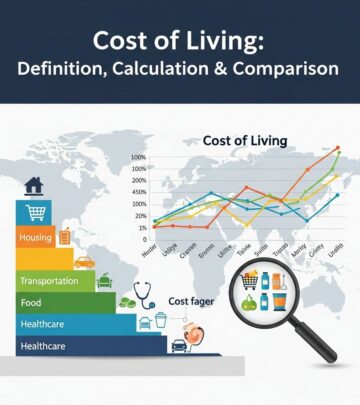
While every household has unique spending patterns, economists and financial analysts organize expenses into consistent categories that appear in nearly all cost of living analyses. These categories reveal where money flows in typical budgets and which areas create the most significant financial pressure.
Housing: The Dominant Budget Category
Housing represents the largest expense for most households, typically consuming 30-40% of monthly income. This category encompasses far more than just rent or mortgage payments. Property taxes, homeowners or renters insurance, utilities (electricity, water, gas), internet services, and routine maintenance all fall under housing expenses. The housing market’s volatility in different regions means that relocating—even within the same country—can dramatically alter your overall cost of living.
Food and Grocery Expenses
Food typically accounts for 10-15% of household budgets. This category includes both groceries purchased for home consumption and dining out expenses. The price of staple items like bread, milk, and produce varies considerably based on local agricultural output, supply chain efficiency, and transportation costs. Urban areas often experience higher food costs than rural regions due to additional distribution expenses.
Transportation Costs
Whether through personal vehicle ownership or public transit reliance, transportation usually represents 10-15% of monthly expenses. For vehicle owners, this includes car payments, gasoline, insurance premiums, registration fees, and maintenance expenses. In areas with robust public transportation systems, costs may be lower but still include bus passes, train tickets, or ride-sharing subscriptions.
Healthcare and Medical Expenses
Healthcare costs encompass insurance premiums, deductibles, copayments for doctor visits, prescription medications, and out-of-pocket medical expenses. The healthcare component of cost of living varies dramatically between countries with different healthcare systems and even between regions within the same country that have different insurance markets.
Taxation and Its Hidden Impact
Taxes represent a substantial but sometimes overlooked component of cost of living. Income taxes, property taxes, sales taxes, and various government fees directly impact how much money households must earn to maintain their desired lifestyle. Understanding your effective tax rate helps clarify your true cost of living.
Additional Essential Categories
Beyond these primary categories, cost of living calculations typically include:
- Clothing and personal hygiene products
- Childcare and educational expenses
- Communication services (phone, internet)
- Debt servicing (student loans, credit cards)
- Recreation and minimal entertainment
- Personal care and grooming
Measuring Cost of Living: Methods and Tools
Economists and statisticians employ standardized approaches to measure and compare cost of living across locations and time periods. The most widely recognized method involves analyzing a fixed ”basket” of goods and services. This basket represents typical household purchases and remains consistent across geographic comparisons, allowing analysts to isolate price differences from consumption pattern differences.
The Consumer Price Index (CPI) serves as the primary measurement tool in most countries. The CPI tracks price changes for goods and services purchased by households, with increases in the index over time indicating rising costs of living. When CPI increases within a single year, this change is referred to as the inflation rate.
Calculating Your Personal Cost of Living
Understanding your individual cost of living requires gathering comprehensive expense data and organizing it systematically. Here’s a practical framework for this calculation:
Step-by-Step Calculation Process
- Document All Monthly Housing Expenses: Record rent or mortgage payments, property taxes, insurance, utilities, internet, and maintenance costs
- Track Food Expenditures: Calculate both grocery purchases and dining out expenses for a typical month
- List Transportation Costs: Include vehicle payments, fuel, insurance, maintenance, public transit passes, or ride-sharing expenses
- Include Healthcare Costs: Add insurance premiums, regular copayments, prescription costs, and anticipated medical expenses
- Calculate Tax Obligations: Estimate your monthly income, property, and sales tax contributions
- Account for Additional Expenses: Include clothing, personal care, childcare, educational costs, and debt payments
- Sum All Categories: Total your monthly expenses to determine your personal cost of living
Example Budget Breakdown
Consider this simplified illustration of monthly expenses for a household in an average metropolitan area:
| Expense Category | Monthly Amount | Percentage of Total |
|---|---|---|
| Housing (rent, utilities, insurance) | $1,500 | 38% |
| Food (groceries and dining) | $600 | 15% |
| Transportation (fuel, insurance, maintenance) | $400 | 10% |
| Healthcare (insurance, copays) | $300 | 8% |
| Taxes (estimated) | $700 | 18% |
| Clothing and Personal Care | $200 | 5% |
| Miscellaneous and Entertainment | $200 | 5% |
| Total Monthly Cost of Living | $3,900 | 100% |
Geographic Variations in Cost of Living
One of the most significant insights about cost of living is its dramatic variation across geographic locations. The same lifestyle can cost substantially more in major metropolitan centers than in smaller cities or rural areas. Housing represents the primary driver of these regional differences, though food, transportation, and services all contribute to overall variation.
These geographic disparities create important implications for career decisions, relocation planning, and salary negotiations. A salary that provides comfortable living in one city may prove insufficient in another, making cost of living comparisons essential for informed financial decision-making.
The Impact of Cost of Living Increases
When the prices of essential goods and services rise faster than household incomes, a cost of living crisis can emerge. These increases erode purchasing power—the actual value of the money you earn. Without corresponding salary increases or benefit adjustments, individuals and families find their previous lifestyle increasingly unaffordable.
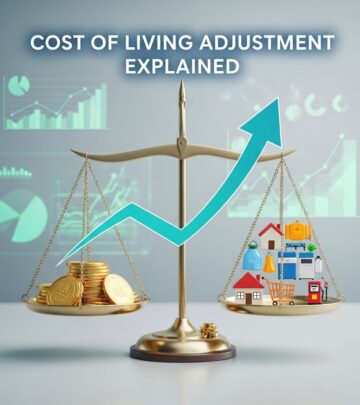
Cost of living adjustments (COLA) represent one response to this challenge, with many employers and benefit programs implementing periodic increases to help workers maintain purchasing power. However, not all income sources include automatic adjustments, leaving many households financially vulnerable during periods of rapid inflation.
Frequently Asked Questions About Cost of Living
How does cost of living differ from inflation?
While related, these concepts have distinct meanings. Cost of living represents the actual amount needed to maintain a specific lifestyle in a particular location at a given time. Inflation, by contrast, measures the rate at which prices increase over time. You can have stable cost of living in one location while experiencing inflation that gradually raises those costs nationally.
Why is housing such a dominant expense?
Housing encompasses multiple substantial costs including shelter, property taxes, insurance, and utilities—many of which are relatively fixed rather than variable. Additionally, housing is location-specific, meaning you cannot easily shop around for lower prices or substitute alternatives as you might with food or transportation.
Can cost of living be the same in different cities?
Rarely. Even cities in the same region typically have different cost structures due to variations in property values, local labor markets, transportation infrastructure, and available services. However, some smaller cities and towns may have similar cost profiles if they share comparable economic characteristics.
How should employers use cost of living data?
Employers utilize cost of living indices to create geographically-appropriate salary bands and competitive compensation packages. This ensures fair pay for equivalent work across different locations where the same salary has vastly different purchasing power.
What role does purchasing power play in cost of living?
Purchasing power reflects how much your actual income can buy in a particular location. High cost of living areas reduce purchasing power—your dollars buy fewer goods and services. Cost of living comparisons essentially measure relative purchasing power across different geographic areas.
Practical Strategies for Managing Your Cost of Living
Understanding cost of living empowers you to make strategic financial decisions. Consider these approaches to optimize your expenses:
- Geographic Arbitrage: Evaluate whether relocating to a lower cost of living area could improve your financial position while maintaining lifestyle quality
- Housing Optimization: Since housing dominates budgets, exploring less expensive neighborhoods, downsizing, or negotiating housing costs yields the greatest savings potential
- Transportation Efficiency: Assess whether public transit, carpooling, or reduced vehicle ownership could meaningfully lower expenses
- Income Adjustment: Negotiate salary increases or seek additional income sources to ensure your earnings keep pace with rising costs
- Regular Budget Review: Track changes in your cost of living and adjust financial plans accordingly
- Expense Prioritization: Identify which expenses are truly essential versus discretionary to optimize spending patterns
Conclusion: Using Cost of Living Knowledge to Your Advantage
Cost of living represents far more than an abstract economic statistic—it directly influences your financial health, career opportunities, and lifestyle choices. By understanding its components, calculation methods, and variations across locations, you gain the knowledge necessary to make informed financial decisions. Whether you’re considering relocation, negotiating salary, creating budgets, or simply seeking to understand your financial landscape, cost of living analysis provides essential perspective for achieving financial stability and security.
References
- Cost of living — Wikipedia. Accessed February 2026. https://en.wikipedia.org/wiki/Cost_of_living
- Cost of Living — Pollution & Sustainability Directory. Accessed February 2026. https://pollution.sustainability-directory.com/term/cost-of-living/
- What Is Cost of Living and Why It Matters — DailyPay Resource Center. Accessed February 2026. https://www.dailypay.com/resource-center/blog/what-cost-of-living/
- Cost of living — Britannica Money. Accessed February 2026. https://www.britannica.com/money/cost-of-living
- Cost of Living Increase & Adjustment (COLA): Impacts & Tips — United Way of the National Capital Area. Accessed February 2026. https://unitedwaynca.org/cost-of-living-increase/
Similar Articles








Read full bio of medha deb