Collateral In Loans: Essential Guide For Borrowers
Learn how collateral secures loans and affects borrowing terms

When individuals or businesses seek financing, lenders often require some form of security to minimize their risk. This security takes the form of collateral—an asset or group of assets that borrowers pledge to lenders as a guarantee of repayment. Understanding collateral is essential for anyone considering a secured loan, as it directly influences loan approval odds, interest rates, and repayment terms.
What Collateral Means in the Lending Process
Collateral is an asset or property that a borrower offers to a lender as security for a loan. If the borrower fails to repay the loan according to the agreed terms, the lender has the legal right to seize and sell the collateral to recover the outstanding debt. This arrangement transforms a lending transaction from an unsecured promise to repay into a secured transaction backed by tangible or intangible value.
The fundamental purpose of collateral is to reduce lender risk. By holding collateral, lenders gain confidence that they will not lose money if a borrower defaults. This reduced risk exposure often translates into more favorable lending conditions for borrowers, including lower interest rates and longer repayment periods.
Secured Versus Unsecured Lending: The Critical Distinction
Loans come in two primary categories: secured and unsecured. The presence or absence of collateral determines this classification.
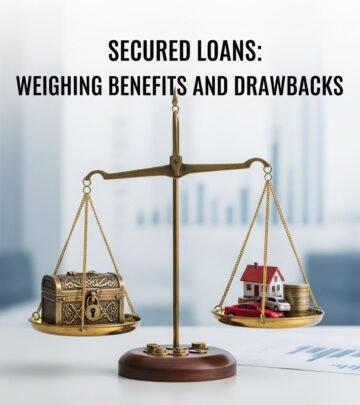
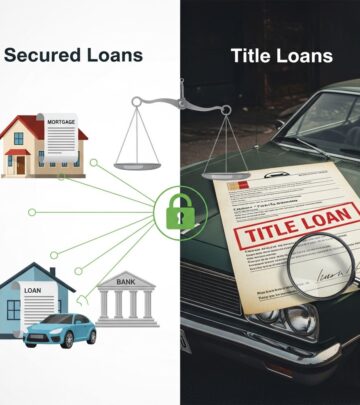
Secured loans require collateral and are also known as asset-backed loans. Because the lender has a claim against specific assets, secured loans typically carry lower interest rates and more flexible terms. Examples include mortgages (where real estate serves as collateral) and auto loans (where the vehicle is collateral).
Unsecured loans do not require collateral. Instead, lenders rely solely on the borrower’s creditworthiness, income, and willingness to repay. Because unsecured lenders cannot claim assets if a borrower defaults, they charge higher interest rates to compensate for the increased risk. Credit cards and personal loans are common examples of unsecured credit.
In certain situations, borrowers with exceptional credit histories may qualify for secured loans without providing collateral. Their strong payment record and financial stability serve as sufficient assurance to lenders.
How Collateral Functions as a Risk Management Tool
Collateral operates as a multi-layered protection mechanism for lenders. First, it serves as insurance—if a borrower cannot repay from their own cash flow or other sources, the lender can liquidate the collateral to satisfy the debt. Second, it acts as a powerful psychological incentive; borrowers are far more motivated to meet payment obligations when they recognize that failure could result in losing valuable assets.
However, collateral is not the lender’s only safeguard. According to lending standards, the borrower’s signature on the loan agreement represents the primary source of security. This signature creates a legal obligation to repay the specified amount over a set period at regular intervals. Collateral functions as the secondary source of payment, providing an additional layer of protection should the borrower’s primary repayment capacity fail.
Categories of Assets Acceptable as Collateral
Collateral can take multiple forms, ranging from physical, tangible assets to intangible property. Lenders evaluate different asset types based on their marketability, ease of valuation, stability of value, and transferability.
Real Estate and Land
Real estate represents one of the strongest forms of collateral. This category includes commercial buildings, residential properties, office spaces, and undeveloped land owned by a business or individual. Real estate’s substantial and relatively stable value makes it highly attractive to lenders. Additionally, property ownership is easily documented and verified through public records.
Equipment and Machinery
Manufacturing equipment, vehicles, computers, and other machinery can serve as collateral. The value of equipment fluctuates based on age, condition, and technological advancement. Lenders typically appraise equipment carefully before accepting it as collateral, as equipment value can depreciate rapidly.
Inventory and Stock
Businesses often pledge their inventory as collateral. Inventory value can be volatile, depending on market demand and product perishability. Some lenders accept inventory collateral through General Security Agreements (GSAs), which create floating charges covering all inventory not specifically named in other security registrations.
Financial Assets and Investments
Securities such as stocks, bonds, and investment portfolios serve as strong collateral because they are easily valued and can be quickly converted to cash. Financial institutions often prefer marketable collateral—assets capable of being sold under normal market conditions with reasonable promptness at fair market value. For sizeable banks, collateral must equal or exceed 100 percent of the loan amount.
Cash and Cash Equivalents
Cash deposits and business bank accounts represent the most straightforward collateral option. Cash carries no valuation risk and is immediately liquid. However, fewer lenders accept cash collateral because it represents a significant opportunity cost for the borrower.
Intellectual Property and Intangible Assets
Businesses may pledge intangible assets such as trademarks, patents, copyrights, or trade secrets. Valuing intangible assets presents challenges for lenders, so these assets typically require professional appraisals before acceptance.
Accounts Receivable
Outstanding invoices and customer payment obligations can serve as collateral, particularly in specialized lending arrangements designed for businesses with significant receivables.
Evaluating Collateral: The MAST Framework
Lenders use various evaluation methods to determine whether an asset is suitable collateral. One widely-used framework is MAST, which assesses collateral across four dimensions:
- Marketable: Can the asset be sold relatively quickly under normal market conditions?
- Ascertainable: Can the asset’s value be determined with reasonable accuracy through independent appraisal or market comparison?
- Stable: Does the asset’s value remain relatively constant, or is it subject to significant market volatility?
- Transferable: Can ownership of the asset be legally transferred to the lender, and are there any restrictions on sale or conveyance?
Assets scoring high on all four MAST dimensions represent premium collateral from a lender’s perspective.
Fair Market Value Versus Book Value
Determining collateral value requires distinguishing between two separate concepts: fair market value and book value.
Fair market value represents the price at which an asset would sell between a willing buyer and willing seller under normal market conditions, neither party under pressure to buy or sell. This represents the true economic value of the asset in the marketplace.
Book value refers to the value assigned to an asset in a company’s accounting records or balance sheet. Book value often differs significantly from fair market value, particularly for older assets or items subject to rapid depreciation or appreciation.
Lenders base collateral decisions on fair market value rather than book value. Additionally, lenders typically require collateral fair market value to exceed the loan amount, often by 20-30 percent or more. This cushion accounts for additional costs lenders may incur when seizing and liquidating assets, including liquidation delays, transportation, storage, and sale commissions.
Personal Guarantees as Collateral Alternatives
When a business lacks sufficient assets to serve as collateral, lenders may request a personal guarantee. A personal guarantee extends the lender’s claim beyond the business entity to the owner’s personal assets. If the business defaults, the lender can pursue the owner personally and seize personal property to satisfy the debt.
Personal guarantees significantly increase the borrower’s personal risk, as business debts become personal liabilities. Owners considering personal guarantees must carefully weigh the benefits of obtaining business financing against the potential consequences of personal liability.
Liens: How Lenders Formalize Collateral Claims
When collateral secures a loan, lenders typically register their interest through legal documents called liens or charges. Liens come in two primary forms:
Fixed charges apply to specific, identifiable assets such as real property or vehicles. Fixed charges prevent the borrower from selling or refinancing the identified asset without the lender’s consent.
Floating charges apply to assets that change in nature and quantity, such as inventory or accounts receivable. Floating charges are particularly common in business lending and are often formalized through General Security Agreements (GSAs). GSAs cover all borrower assets not specifically mentioned in other security registrations, providing lenders with broad protection against loan default.
The Relationship Between Collateral and Interest Rates
Collateral directly influences the interest rates lenders charge. Secured loans backed by collateral carry substantially lower interest rates than comparable unsecured loans. This interest rate differential reflects the lender’s reduced risk—if the borrower defaults, the lender can recover losses through collateral liquidation.
The interest rate advantage of providing collateral can be substantial. Over a multi-year loan term, lower interest rates resulting from collateral can save borrowers thousands of dollars in interest expense.
Collateral and Loan Approval Probability
Providing collateral significantly increases the likelihood of loan approval, particularly for borrowers with limited credit histories or imperfect credit scores. Lenders view collateral as a compensating factor that offsets credit weaknesses. A borrower with fair credit but substantial collateral may qualify for a loan that would be denied without collateral.
For business owners with poor credit histories, collateral may represent the only pathway to obtaining necessary financing. This reality highlights collateral’s importance in expanding credit access beyond what credit scores alone would permit.
Risks Borrowers Face When Using Collateral
While collateral offers borrowers advantages in loan approval and rates, providing collateral introduces distinct risks:
- Asset Loss Risk: Defaulting on a collateralized loan means risking loss of valuable assets. This risk is particularly acute when collateral comprises essential business or personal assets.
- Valuation Risk: If asset values decline after the loan origination, borrowers may owe more than the collateral is worth—a situation called being “underwater” on the loan.
- Liquidity Risk: Collateral often comprises illiquid assets that cannot be quickly converted to cash. This illiquidity can trap borrowers in unfavorable loan situations.
- Market Risk: Collateral value depends on market conditions. Economic downturns can simultaneously trigger financial hardship for borrowers while reducing collateral values, compounding difficulties.
Collateral in Modern Lending Context
Contemporary lending increasingly embraces alternative financing structures that reduce or eliminate collateral requirements. Equipment financing allows businesses to borrow the cost of specific equipment using that equipment as the sole collateral. Merchant cash advances provide funding based on business revenue rather than asset collateral. Crowdfunding and equity investment offer capital without collateral requirements, though they typically involve giving up ownership stakes.
These alternatives have expanded access to credit for businesses without substantial tangible assets, particularly technology companies and service businesses whose value lies in intellectual capital rather than physical assets.
Frequently Asked Questions About Collateral
What happens if the collateral value drops after loan approval?
If collateral value declines, borrowers generally remain obligated to repay the full loan amount. However, lenders closely monitor collateral values and may request additional collateral or demand early repayment if the loan-to-value ratio becomes too risky from the lender’s perspective.
Can collateral be released before the loan is paid off?
Collateral typically remains pledged until the loan is fully repaid. Once repayment is complete, the lender releases the lien, and the borrower regains full ownership and control of the asset.
Is collateral the same as a down payment?
No. A down payment is money the borrower contributes toward a purchase, reducing the loan amount. Collateral is an asset pledged to secure a loan and is separate from down payment amounts.
Can a borrower use the same asset as collateral for multiple loans?
Generally, no. Once an asset is pledged as collateral, the lender’s lien prevents the borrower from using it as collateral elsewhere. However, sophisticated borrowers may negotiate secondary liens where multiple lenders claim the same asset in priority order.
Conclusion: Collateral as a Lending Fundamental
Collateral remains central to modern lending despite innovations in alternative financing. By understanding what collateral is, how lenders evaluate it, and the risks it entails, borrowers can make informed decisions about whether pledging assets represents an appropriate path to obtaining needed financing. For those with substantial assets and solid repayment capacity, collateral offers a pathway to lower interest rates and improved loan terms. For those viewing collateral as a path to credit access despite credit challenges, the benefits must be carefully weighed against the real risk of losing valuable assets through default.
References
- What Is Business Collateral? — Patriot Software. https://www.patriotsoftware.com/blog/accounting/what-is-collateral/
- What is business collateral for small business loans? — Bankrate. https://www.bankrate.com/loans/small-business/what-is-business-collateral/
- Definition, Collateral Value, Security & Liens — Corporate Finance Institute. https://corporatefinanceinstitute.com/resources/commercial-lending/collateral/
- What is business loan collateral: When is it needed? — Swoop Funding. https://swoopfunding.com/us/business-loans/what-is-business-loan-collateral/
- Collateral (finance) — Wikipedia. https://en.wikipedia.org/wiki/Collateral_(finance)
- collateral | Wex | US Law | LII / Legal Information Institute — Cornell Law School. https://www.law.cornell.edu/wex/collateral
Similar Articles








Read full bio of Sneha Tete