Understanding Your Checking Account Balance
Discover what a healthy checking account balance looks like and how to manage your cash effectively.
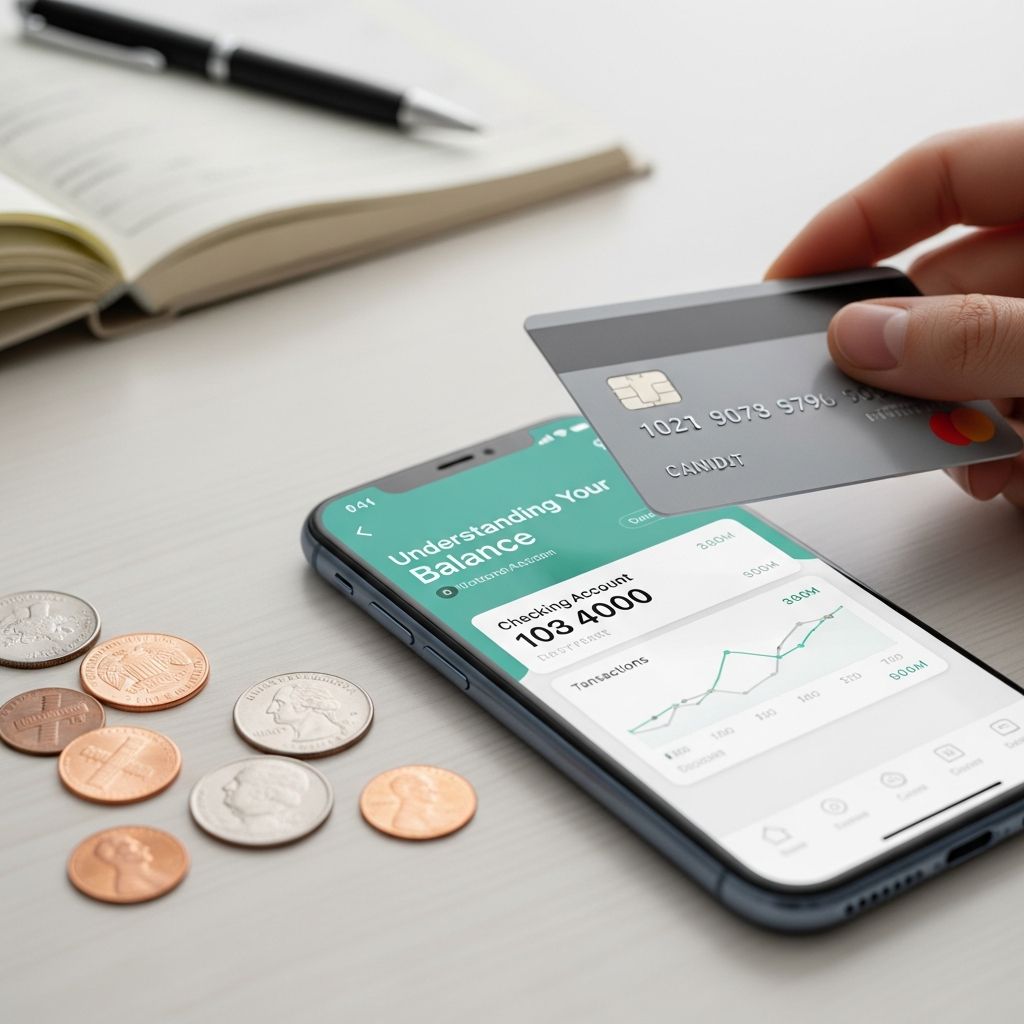
Your checking account balance represents more than just a number on a screen—it reflects your financial stability, preparedness for unexpected events, and overall approach to money management. Many people wonder whether their current balance is appropriate, how it compares to others, and what steps they should take to improve their financial position. This guide explores the landscape of checking account balances across America and provides actionable insights for strengthening your financial foundation.
The Reality of American Checking Account Balances
Understanding where Americans stand financially requires looking at current data. According to recent research, the median checking account balance across the United States is approximately $2,800. Meanwhile, the average balance—calculated differently—sits at around $16,891. This significant gap between these two figures reveals an important truth about American finances.
The distinction between median and average is crucial for understanding what a typical American’s checking account actually looks like. The median represents the middle point, where half of Americans have more and half have less. The average, by contrast, gets pulled upward dramatically by wealthy individuals with substantial account balances.
Why Median Tells a More Accurate Story
The $13,000+ gap between median and average checking balances isn’t coincidental—it reflects a fundamental skew in wealth distribution. When ultra-high-net-worth individuals maintain six or seven-figure checking accounts, their balances dramatically inflate the average figure. However, these accounts don’t represent the typical American experience.
For most people evaluating their own financial health, the median balance of $2,800 provides a more realistic benchmark. If your checking account balance falls below this figure, it may signal an opportunity to review your cash flow and spending habits. However, having less than the median doesn’t necessarily indicate financial trouble—context matters significantly.
Research indicates that the median household bank account balance reached $8,000 in 2022, showing growth over time. Additionally, between 94% and 95.5% of U.S. households have access to at least one bank account, though this percentage drops to 83% for households earning below $25,000 annually.
Factors Influencing Your Ideal Balance
Life Stage and Income Level
Your checking account target should vary based on personal circumstances. Recent data from Bank of America shows that median checking and savings deposit balances remain above inflation-adjusted 2019 levels across almost all income and generation cohorts as of January 2026. This indicates that many Americans have built stronger checking account positions in recent years.
Employment Stability
Those with stable, predictable income may require less in their checking account than freelancers or entrepreneurs experiencing variable monthly earnings. Self-employed individuals typically need higher checking balances to weather irregular income periods.
Family Responsibilities
Supporting dependents increases the importance of maintaining adequate checking account reserves. Parents and caregivers naturally require higher balances for unexpected medical expenses, educational costs, or household emergencies.
Expert Recommendations for Checking Account Reserves
Financial professionals generally recommend maintaining one to two months of living expenses in your checking account. Beyond this baseline, many experts suggest adding a 20% to 30% buffer for unexpected costs.
This approach creates a safety net without requiring you to maintain excessive idle cash. For someone spending $4,000 monthly on essential living expenses, this guideline suggests maintaining $4,800 to $9,200 in their checking account. The exact target within this range depends on individual risk tolerance and financial circumstances.
Current Consumer Sentiment About Banking
Recent surveys reveal shifting attitudes toward checking accounts and bank balances. Key findings from 2026 banking research show:
- 56% of Americans report dissatisfaction with their bank account interest rates
- Three in five Americans believe their account balances are not keeping pace with inflation
- More than one-third of Americans feel their bank takes advantage of them
- 84% of people believe having all accounts visible in one place improves their financial decision-making
- 51% plan to open new bank accounts within the next twelve months
These statistics indicate growing consumer concern about the effectiveness of traditional checking accounts in preserving wealth. Many Americans are actively seeking better banking solutions to address these concerns.
Building and Maintaining a Healthy Checking Balance
Step One: Track Your Cash Flow Comprehensively
Begin by understanding exactly where your money flows each month. Document every dollar entering and leaving your accounts, categorizing expenses by type. Modern money-tracking applications make this process less tedious than maintaining spreadsheets manually.
Research demonstrates that actively tracking money produces significant improvements in financial well-being. This isn’t just psychological—when you see spending patterns clearly, you naturally identify reduction opportunities.
Step Two: Distinguish Between Needs and Wants
Once you understand your cash flow, categorize expenses as essential (housing, utilities, insurance, groceries) or discretionary (entertainment, dining out, subscriptions). This clarity reveals where you can implement spending reductions without sacrificing quality of life.
Step Three: Create a Realistic Budget
Build a monthly budget allocating your income to both essential expenses and savings goals. The percentage allocated to checking account reserves should align with the one-to-two-months guideline mentioned earlier, adjusted for your personal circumstances.
Step Four: Automate Your Savings Process
Set up automatic transfers moving funds from your paycheck into separate savings accounts once you’ve established your checking account baseline. This removes the temptation to spend money designated for emergencies or future goals.
Understanding Multi-Account Banking Strategies
The average American maintains multiple accounts across different financial institutions. Consumer surveys show that the average person holds 5.3 accounts across various banking institutions. This pattern reflects a strategic approach to money management, where different accounts serve different purposes.
Your checking account should serve as your operational hub—the account used for regular spending and bill payments. Separate savings accounts for emergency funds, vacation funds, or other goals prevent you from accidentally dipping into reserves meant for specific purposes.
The Broader Context of Financial Security
The average balance across all account types is $3,997, suggesting that many Americans distribute their money across multiple locations rather than maintaining everything in a single checking account. This diversification approach can enhance both security and financial discipline.
Your checking account balance shouldn’t exist in isolation. Instead, consider it one component of a comprehensive financial picture including emergency savings, retirement accounts, investment portfolios, and debt management strategies.
Taking Action Regardless of Current Balance
Whether your checking account balance exceeds $2,800 or falls significantly below, action matters more than your starting point. The most impactful first step involves tracking your complete cash flow for one full month. This exercise inevitably reveals spending patterns and opportunities regardless of your current financial position.
If you’re consistently falling short of your target balance, analyze whether income limitations or spending excess represents the primary challenge. Each situation demands different solutions—income-focused strategies differ substantially from expense-reduction approaches.
Building Long-Term Financial Resilience
Developing healthy financial habits compounds over time. Starting now, even with modest adjustments to your checking account balance, establishes patterns supporting long-term prosperity. The discipline of maintaining appropriate checking account reserves extends naturally into improved retirement planning, debt management, and investment decision-making.
Your checking account represents a foundation for financial confidence. Knowing you have adequate reserves for emergencies reduces stress and enables better decision-making across all financial areas. This psychological benefit—reducing financial anxiety—often matters as much as the actual dollar amount.
Frequently Asked Questions
What counts as a healthy checking account balance?
A healthy balance typically covers one to two months of essential living expenses plus a 20-30% buffer for unexpected costs. For most Americans, this means maintaining between $3,000 and $10,000, though individual circumstances vary significantly.
How does my checking balance compare to others?
The median American checking balance is approximately $2,800. However, this median varies significantly by income level, age, and geographic location. Rather than focusing on national averages, evaluate your balance relative to your personal expenses and goals.
Should I keep all my savings in my checking account?
No. Keeping excessive funds in checking accounts misses opportunities for higher interest rates in savings or money market accounts. Maintain your targeted checking balance for operational needs and move surplus funds to dedicated savings accounts.
How frequently should I review my checking balance?
Review your checking balance at least monthly during your regular bill-paying process. Additionally, conduct a comprehensive financial review quarterly to assess whether your balance aligns with your goals and life circumstances.
What should I do if I can’t maintain the recommended balance?
Start by tracking your cash flow to identify spending reduction opportunities or income-enhancement possibilities. Even small improvements compound significantly over time. Consider consulting with a financial advisor for personalized guidance.
References
- FinanceBuzz — Wallet Hub Data. 2026. https://financebuzz.com/news/checking-account-balance-average-american
- Consumer Affairs — Banking Survey Data. 2026. https://www.consumeraffairs.com/finance/how-many-bank-accounts-does-the-average-person-have.html
- Bank of America Consumer Checkpoint — Bank of America Economic Insights. March 2026. https://institute.bankofamerica.com
- ADVISOR Magazine 2026 Banking Survey — WalletHub National Survey. 2026. https://www.lifehealth.com/2026-banking-survey/
- MoneyTalksNews — Industry Banking Reports. 2026. https://www.moneytalksnews.com/is-your-bank-balance-normal-heres-how-much-the-average-american-has-in-types-of-accounts/
Similar Articles








Read full bio of medha deb