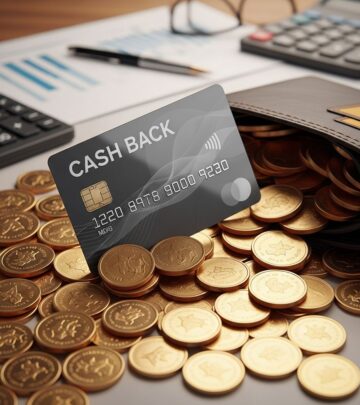
Cash Back Credit Cards: Comprehensive Guide To Rewards
Learn how cash back rewards work and maximize your earning potential

Cash back credit cards represent one of the most straightforward and accessible ways to earn rewards on your spending. Unlike complex point systems or travel-focused programs, cash back offers tangible financial benefits that directly reduce your expenses or supplement your income. Whether you’re new to rewards credit cards or looking to optimize your current strategy, understanding how these cards work is essential for maximizing their value.
What Exactly Is Cash Back?
Cash back is a rewards mechanism that refunds a small percentage of each purchase you make with a participating credit card. This refund comes directly from the card issuer and represents real money that belongs to you. When you use a cash back credit card to purchase an item worth $100 on a card offering 2% cash back, you earn $2 in rewards. The percentage rates vary significantly across different cards and spending categories, typically ranging from 1% to 5%, though some premium cards offer rates as high as 6%.
The fundamental appeal of cash back lies in its simplicity and tangible value. Unlike travel points that fluctuate in worth depending on redemption method, or airline miles that require specific booking strategies, cash back maintains consistent value regardless of how you use it. One dollar of cash back is always worth exactly one dollar.
How Cash Back Earnings Accumulate
Cash back accumulates with each qualifying purchase you make throughout your billing cycle. The reward is typically calculated as a percentage of the purchase price and is deposited into your credit card account. For example, if you spend $500 on a card that earns 1.5% cash back, you’ll earn $7.50 in rewards that gets credited to your account.
The accumulation process happens automatically without requiring any special registration or activation for most flat-rate cash back cards. However, some cards with category-based rewards may require you to register for rotating categories or select your preferred category to earn the maximum rate. The rewards continue to build throughout the year and remain available in your account until you choose to redeem them.
Primary Categories of Cash Back Cards
Cash back credit cards fall into several distinct categories based on how they structure their rewards programs. Understanding these differences helps you select the card that best aligns with your spending patterns and lifestyle.
Flat-Rate Cash Back Cards
The simplest form of cash back rewards comes from flat-rate cards, which offer the same cash back percentage on every qualifying purchase regardless of category. These cards typically offer rewards between 1% and 2% across all purchases, making them ideal for people who prefer uncomplicated earning without tracking different rates. The Citi Double Cash® Card exemplifies this approach, earning 2% cash back on all purchases: 1% when you buy and 1% when you pay the bill.
Flat-rate cards work well for individuals who want to simplify their rewards strategy and avoid the mental overhead of remembering which categories qualify for bonus rates. They’re also excellent for people with diverse spending patterns that don’t fit neatly into category-based structures.
Tiered-Category Rewards Cards
Many premium cash back cards offer higher reward rates in specific spending categories. These tiered-rate cards typically provide between 2% and 5% cash back—sometimes higher—on purchases in designated categories like groceries, gas, restaurants, or online retail. For example, the Blue Cash Everyday® Card from American Express offers 3% cash back at U.S. supermarkets, U.S. gas stations, and U.S. online retail purchases on up to $6,000 per calendar year in purchases in each category, then 1% thereafter, plus 1% cash back on all other purchases.
A key consideration with tiered cards is that many include spending caps or rotating categories. Once you reach the annual spending limit in a category, the cash back rate typically drops to 1% for that category for the remainder of the year. This structure rewards high spenders in specific categories while providing a baseline rate on other purchases.
Customizable Category Cards
The most sophisticated cash back cards allow you to customize which categories earn the highest rewards, either through your selection or the card’s automatic optimization. The Citi Custom Cash® Card takes automation to the next level with an automatically optimized system that earns 5% cash back on your highest spending category each billing cycle (up to $500, then 1%) and unlimited 1% on all other purchases. This removes the guesswork and ensures you’re always maximizing rewards in your biggest spending areas.
The Bank of America® Customized Cash Rewards credit card offers a different approach, letting you select one category from six options to earn 3% back, while also providing 2% back on grocery stores and wholesale clubs for the first $2,500 of combined qualifying spending per quarter.
Understanding Eligible vs. Ineligible Purchases
Not all purchases qualify for cash back rewards. Understanding which transactions earn rewards and which don’t is crucial for accurate reward calculations.
Purchases That Earn Cash Back
Most standard retail and service purchases earn cash back at the stated rate. This includes grocery store visits, gas station fill-ups, restaurants, online shopping, pharmacy purchases, and countless other everyday transactions. In-store and online purchases both typically qualify for rewards as long as they’re made directly with the credit card.
Purchases That Don’t Earn Rewards
Certain transactions are explicitly excluded from cash back earning across virtually all credit card programs:
- Balance transfers and cash advances
- Account fees and interest charges
- Money orders and wire transfers
- Lottery tickets and gambling purchases
- Cryptocurrency transactions
- Foreign currency purchases
Additionally, purchases made through third-party digital wallets or wireless payment systems may not earn rewards if the technology cannot provide sufficient transaction classification data.
Methods for Redeeming Cash Back Rewards
One of the biggest advantages of cash back rewards is the flexibility in how you use them. Credit card issuers typically offer multiple redemption options, allowing you to choose the method that best suits your financial goals.
Statement Credits
The most direct redemption method applies cash back directly to your credit card statement, reducing the balance owed. This approach is straightforward and helpful for managing ongoing expenses. However, it’s important to note that cash back statement credits cannot be applied toward your minimum payment due—they can only reduce the remaining balance.
Bank Account Deposits
Many cards allow you to transfer accumulated cash back directly into your linked bank account. This option provides flexibility to use your rewards however you choose, whether for bill payments, savings, or other financial needs.
Check Redemptions
Some card issuers will mail you a check for your accumulated cash back balance, giving you the flexibility to deposit it into any account or use it for any purpose.
Gift Cards and Other Options
Depending on your card issuer, you may also redeem cash back for gift cards, merchandise, or charitable donations. Some cards even allow you to use cash back to cover purchases at checkout on participating platforms like PayPal or Amazon. A unique redemption option with Discover cards allows cardholders to request fee-free cash over purchases when shopping at dozens of retailers nationwide, including Rite Aid, Trader Joe’s, Aldi, and Kroger.
Key Advantages of Cash Back Cards
Cash back credit cards offer several compelling benefits that make them attractive to consumers across various spending profiles.
Simplicity and Clarity
The biggest advantage of cash back rewards is their straightforward nature. You understand exactly what your rewards are worth without needing to decipher complex point charts or transfer partner valuations. This clarity makes cash back particularly appealing for people who want a no-nonsense rewards program.
Consistent Redemption Value
Unlike travel points that fluctuate in value based on redemption method, cash back maintains consistent value. Whether you earn $500 or $5,000 in cash back, its worth never changes. This predictability makes financial planning easier.
Minimal or No Annual Fees
Many cash back cards feature $0 annual fees, making them accessible to virtually anyone. Even premium cards with annual fees often provide cash back benefits that quickly offset the fee for regular users.
Introductory Rate Benefits
Many cash back cards offer introductory 0% annual percentage rate periods on purchases or balance transfers. This allows you to pay off large purchases or consolidate debt interest-free while continuing to earn cash back rewards—a powerful combination for building wealth.
Important Considerations and Limitations
While cash back cards offer significant benefits, several factors warrant careful consideration before choosing and using them.
Spending Caps and Category Limits
Many tiered cash back cards impose annual or quarterly spending limits for bonus categories. Once you reach the cap—often $6,000 annually—the cash back rate drops to 1% in that category. Understanding these limits helps you avoid disappointment and plan your spending strategically.
Redemption Minimums
Some cash back cards require a minimum accumulated balance before you can redeem your rewards. Others allow rolling redemptions starting from minimal amounts. Checking your card’s redemption requirements ensures you can access your rewards when needed.
Non-Cash Redemption Value Fluctuation
If you choose to redeem cash back for gift cards, merchandise, or other non-cash options, you must carefully review terms to ensure rewards don’t lose value in the redemption process.
Maximizing Your Cash Back Earnings
Strategic card selection and usage patterns can significantly amplify your cash back rewards.
Match Cards to Your Spending
Evaluate your typical monthly expenses and select a cash back card whose categories align with your patterns. High grocery spenders benefit most from cards offering elevated grocery rewards, while frequent diners should prioritize restaurant bonus categories.
Use Multiple Cards Strategically
Maintaining multiple cash back cards allows you to earn maximum rewards across different categories. Use one card for groceries, another for gas, and a flat-rate card for miscellaneous purchases.
Track Spending Caps
For cards with annual category limits, monitor your spending throughout the year to ensure you maximize rewards before hitting caps that trigger lower rates.
Comparing Cash Back to Other Reward Types
| Reward Type | Value Clarity | Complexity | Redemption Flexibility | Earning Potential |
|---|---|---|---|---|
| Cash Back | Fixed and Clear | Low | High | 1-6% |
| Travel Points | Variable | High | Limited | Up to 5% |
| Airline Miles | Variable | Very High | Limited | Up to 3% |
Frequently Asked Questions
Do I have to activate cash back rewards on my card?
Most flat-rate cash back cards require no activation—rewards accumulate automatically on all qualifying purchases. However, some cards with rotating or customizable categories may require you to register or select categories to earn elevated rates.
When do I receive my cash back rewards?
Cash back is typically credited to your account at the end of your statement period or billing cycle. Some cards offer rolling redemptions, while others accumulate rewards that you can redeem at any time.
Can I lose my cash back rewards?
Cash back rewards generally don’t expire as long as your account remains open and in good standing. However, if you close the account, unredeemed rewards may be forfeited, so check your card’s specific policies.
What happens if I return a purchase?
When you return a purchase, the cash back earned on that transaction is typically reversed from your rewards account.
Are there taxes on cash back rewards?
The IRS generally does not require you to pay taxes on cash back rewards, as they’re considered discounts rather than income.
Conclusion: Making Cash Back Work for You
Cash back credit cards offer an accessible, straightforward path to earning rewards on everyday spending. By understanding the different card structures, eligible purchases, and redemption options, you can select and use cards that genuinely enhance your financial situation. Whether you prefer the simplicity of flat-rate cards or the optimization potential of category-based rewards, cash back remains one of the most practical credit card benefits available to consumers seeking tangible value from their spending.
References
- How Does Cash Back Work? — Bankrate. 2024. https://www.bankrate.com/credit-cards/cash-back/how-cash-back-works/
- How Do Cash Back Credit Cards Work? — NerdWallet. 2024. https://www.nerdwallet.com/credit-cards/learn/how-do-cash-back-credit-cards-work
- The Pros and Cons of Cash-Back Credit Cards — The Points Guy. 2024. https://thepointsguy.com/credit-cards/why-cash-back-cards-are-better/
- How Cash Back Works on Credit Cards — Citizens Bank. 2024. https://www.citizensbank.com/learning/how-cash-back-credit-cards-work.aspx
- What Is Cash Back and How Does it Work? — American Express. 2024. https://www.americanexpress.com/en-us/credit-cards/credit-intel/what-is-cashback/
Similar Articles








Read full bio of Sneha Tete