Understanding Card Shimming Fraud
Learn how shimming attacks compromise chip cards and protect your finances
Payment card fraud continues to evolve as criminals develop increasingly sophisticated techniques to steal financial information. Among the most concerning contemporary threats is card shimming, a fraud method that exploits the microchip technology designed to make transactions more secure. Unlike older skimming attacks that target magnetic stripes, shimming represents a new frontier in payment fraud that affects both credit and debit cardholders.
The rise of shimming coincides with the widespread adoption of chip-enabled payment cards. As financial institutions implemented EMV (Europay, Mastercard, Visa) chip technology to reduce fraud, criminals adapted by developing shimming techniques to circumvent these security improvements. Understanding how shimming works, recognizing the signs of an attack, and implementing protective measures are essential steps for anyone who uses payment cards in physical locations.
The Mechanics of Shimming Attacks
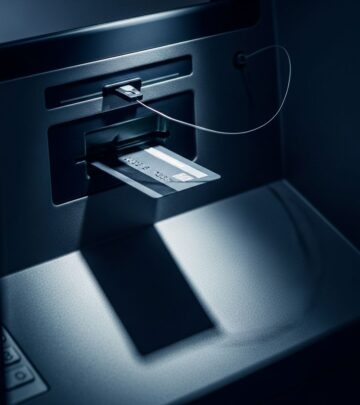
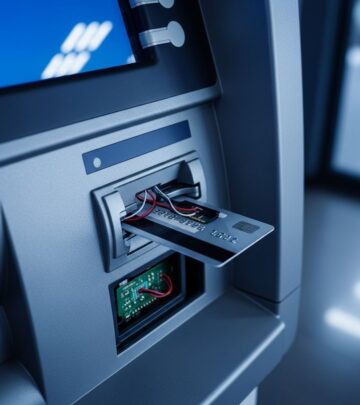
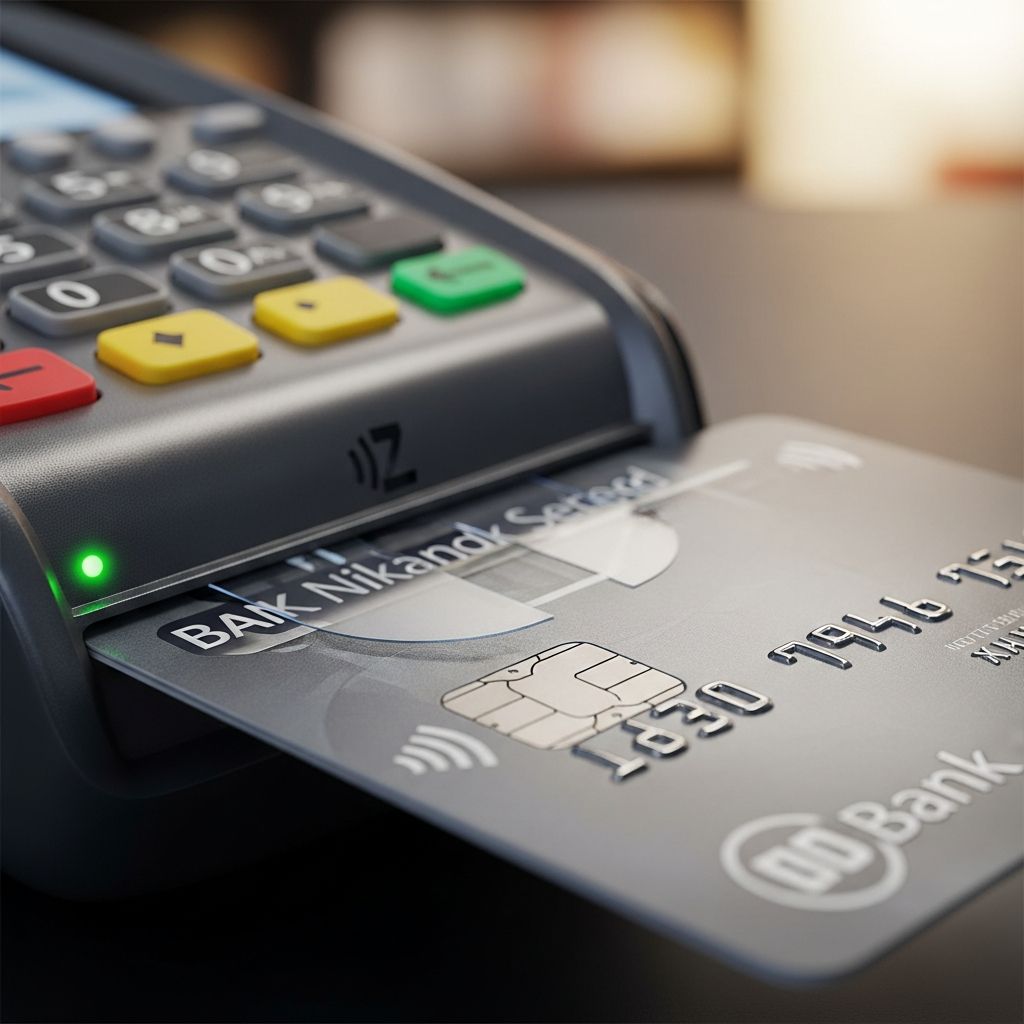
Card shimming operates through a deceptively simple but effective mechanism. A shim is a razor-thin device that criminals insert into the card reader slot of payment terminals, designed to remain virtually invisible to users. These devices are significantly smaller and more difficult to detect than traditional skimming equipment, making them a preferred tool for modern fraudsters.
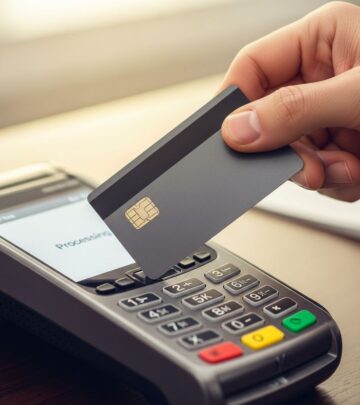
When you insert a chip-enabled card into a compromised terminal, the shim reads and captures the sensitive data stored on your card’s microchip. This captured information includes your card number, expiration date, and other authentication details necessary for processing transactions. The criminal then retrieves the shim from the terminal and downloads the stolen data using a specialized card reader.
What makes shimming particularly insidious is that it operates silently during normal transactions. Unlike traditional skimmers that may cause visible malfunctions or unusual behavior at payment terminals, shimmed readers function seamlessly, allowing legitimate transactions to proceed while simultaneously extracting card data.
Key Differences Between Shimming and Skimming
While shimming and skimming share the fundamental objective of stealing card information, they operate through distinctly different mechanisms and target different card technologies.
| Characteristic | Skimming | Shimming |
|---|---|---|
| Target Component | Magnetic stripe on card back | Microchip embedded in card |
| Device Size | Bulkier, externally mounted | Razor-thin, internally positioned |
| Detection Difficulty | Relatively easier to spot | Extremely difficult to detect |
| Information Captured | Magnetic stripe data, often with PIN | Chip-based authentication data |
| Common Locations | ATMs, gas pumps, retail terminals | ATMs, gas pumps, point-of-sale systems |
Skimming targets the magnetic stripe found on the back of payment cards. These devices are typically mounted externally on card readers and can be relatively visible if you know what to look for. Skimmers capture data from the magnetic stripe and may also record PIN entries through hidden cameras or fake keypads.
Shimming represents a technological advancement in card fraud. Because it exploits microchip technology, shimming emerged as card issuers began transitioning from magnetic stripe-only cards to EMV chip-enabled cards. The shim device is inserted internally into the card reader slot, making it virtually undetectable to the casual user.
The practical consequence of this distinction is significant: shimming devices are far more challenging to identify and remove without taking apart payment terminals, giving criminals a longer operational window before detection.
How Criminals Convert Stolen Chip Data into Fraudulent Activity
A common misconception about chip cards is that shimmed data cannot be used for fraud because chips generate unique transaction tokens. However, criminals have developed effective workarounds.
While criminals cannot create an exact duplicate of a chip-enabled card using shimmed data, they can create counterfeit cards with magnetic stripes that mimic your card’s front-facing information. Since many retailers still accept magnetic stripe transactions as a backup method, these fraudulent mag-stripe cards can be used to make unauthorized purchases.
Additionally, the data captured from shimming contains sufficient authentication information to process transactions in certain scenarios, particularly in regions where chip technology adoption is less universal or where merchants maintain backup payment processing systems.
Where Shimming Threats Exist
Shimming devices have been discovered at various payment locations where criminals can access terminals with minimal supervision:
- Automated Teller Machines (ATMs) — Bank ATMs and independent ATM networks remain prime targets because they operate 24/7 with limited monitoring
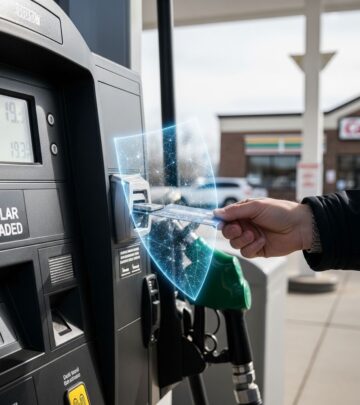
- Fuel Dispensers — Gas pump terminals are attractive targets due to their remote location and minimal surveillance
- Point-of-Sale Systems — Retail checkout terminals at stores and restaurants can be compromised, though typically with greater risk of detection
- Self-Checkout Stations — Unattended self-service payment systems in retail environments represent emerging targets
The frequency of shimming attacks has increased notably as criminals gain experience with the technique. Financial institutions and law enforcement agencies continue documenting new shimming devices at previously secure locations.
Vulnerability Assessment: Are All Cards at Risk?
Both credit cards and debit cards are susceptible to shimming attacks. The specific vulnerability depends on whether your card contains a microchip, which most modern payment cards now include.
Interestingly, the very security feature designed to protect your card—the microchip—becomes the vulnerability point in shimming scenarios. Older magnetic stripe-only cards are not vulnerable to shimming specifically, but remain vulnerable to traditional skimming.
The presence of dual-interface cards (containing both a microchip and magnetic stripe) creates additional complexity. While these cards provide legitimate backup functionality, they also create the avenue through which shimmed data can be converted into fraudulent mag-stripe cards.
Signs of Shimming Activity You Should Monitor
While shimming devices are designed to be undetectable during normal use, certain warning signs may indicate a compromised terminal:
- Loose or Misaligned Card Slots — The card reader slot may feel slightly loose or the card may insert differently than usual
- Visual Irregularities — The card slot area may show signs of recent tampering, adhesive residue, or slight discoloration
- Physical Obstruction — You may encounter resistance when inserting your card, suggesting something is blocking the normal path
- Transaction Delays — Unusually slow card reading or transaction processing may indicate device interference
- Terminal Damage — Visible cracks, loose panels, or recent repair marks warrant caution
Protective Strategies for Cardholders
Vigilance at Physical Terminals
The most effective protection begins with careful observation before using any payment terminal. Visually inspect the card reader area for signs of tampering or foreign devices. If something appears unusual or suspicious, use an alternative payment method or locate a different terminal.
Prioritize Chip-Enabled Cards
Despite the shimming threat, chip-enabled cards remain more secure than magnetic stripe-only cards. Experts recommend using chip cards when available and inserting your card rather than swiping to ensure the chip technology is utilized. The added authentication layer that chips provide makes fraudulent transactions more difficult, even if shimming compromises the initial data theft.
Consider Contactless and Digital Payments
Contactless payment technologies and digital wallets (such as Apple Pay, Google Pay, and Samsung Pay) bypass physical card readers entirely, eliminating exposure to shimming and skimming devices. These methods generate unique transaction tokens for each purchase, providing superior security compared to physical card insertion.
Monitor Financial Accounts Actively
Regular monitoring of your credit and debit card accounts remains essential. Review statements frequently for unauthorized transactions, and consider setting up account alerts through your financial institution. Early detection of fraudulent activity can minimize financial loss and help authorities identify shimming operations.
Freeze Your Credit When Appropriate
If you suspect you’ve been compromised through shimming, consider placing a security freeze on your credit file. This prevents criminals from opening new accounts in your name using your stolen information.
Report Suspected Compromised Terminals
If you discover or suspect a shimming device at a payment terminal, immediately notify the terminal operator and report the location to local law enforcement and the Federal Trade Commission.
The Financial Impact of Card Fraud
The scope of card fraud losses underscores the importance of understanding and preventing shimming. Card skimming alone is estimated to cost financial institutions and consumers more than $1 billion annually. When shimming is factored into the broader fraud landscape alongside identity theft and other card fraud methods, the total financial exposure becomes substantial.
In 2023, the Federal Trade Commission documented over 1 million instances of identity theft and more than 101,000 cases of credit card fraud. Many of these incidents involve physical card fraud techniques including shimming.
Frequently Asked Questions About Card Shimming
Can I get my money back if I’m a victim of shimming fraud?
Federal protections typically cover unauthorized credit card charges, with most cardholders facing zero liability. Debit card protections are more limited and depend on how quickly you report the fraud. Contact your card issuer immediately upon discovering unauthorized charges.
Is my chip card completely safe from shimming?
No card is completely immune to shimming, but chip cards provide better protection than magnetic stripe cards. The risk is mitigated by the limited utility of shimmed data and the difficulty criminals face in creating fully functional duplicate cards.
Should I stop using ATMs to avoid shimming?
While ATMs remain shimming targets, completely avoiding them is impractical. Instead, use ATMs at established financial institutions during business hours when staff are present, inspect terminals before use, and monitor your accounts regularly.
Are online transactions vulnerable to shimming?
Traditional shimming requires physical device insertion into payment terminals, so online transactions are not vulnerable to shimming specifically. However, online payment systems face different threats including digital skimming of e-commerce sites.
Looking Forward: The Evolution of Payment Security
As shimming becomes increasingly prevalent, payment technology continues evolving to address these threats. The transition toward contactless payments, tokenization, and biometric authentication represents the industry’s response to both shimming and other fraud methods.
Financial institutions, retailers, and payment networks are investing in enhanced terminal security, improved monitoring systems, and consumer education. However, until payment card usage fundamentally shifts away from physical terminals, shimming will remain a relevant threat requiring consumer vigilance.
The relationship between payment security technology and criminal innovation creates an ongoing arms race. Understanding shimming as a contemporary fraud method positions you to recognize threats and adopt protective practices appropriate to today’s threat landscape.
References
- Credit Card Shimming — Lexington Law. Accessed March 2026. https://www.lexingtonlaw.com/blog/negative-items/credit-card-shimming.html
- What Is Credit Card Shimming? — Experian. Accessed March 2026. https://www.experian.com/blogs/ask-experian/shimming-is-the-latest-credit-card-scam/
- How Skimming and Shimming are Stealing Your Information — Fairwinds Credit Union. Accessed March 2026. https://www.fairwinds.org/articles/how-skimming-and-shimming-are-stealing-your-information
- Can Chip Cards Be Skimmed? — Bankrate. Accessed March 2026. https://www.bankrate.com/credit-cards/advice/chip-cards-skimming-shimming/
- Shimming: What Is It and How Do You Protect Yourself? — Downeast Credit Union. Accessed March 2026. https://www.downeastcu.com/shimming-what-is-it-and-how-do-you-protect-yourself/
- What is Card Skimming in the Digital Age? — Mastercard. 2024. https://www.mastercard.com/us/en/news-and-trends/stories/2024/what-is-digital-skimming-your-guide-to-staying-safe-while-shopping-online.html
- Card Skimmer Fraud: What Is It and How to Stay Safe — Western Credit Union. Accessed March 2026. https://www.wcu.com/resources/financial-education/blogs/card-skimmer-fraud–what-is-it-and-how-to-stay-safe
Similar Articles








Read full bio of Sneha Tete