Car Title Types: 10 Essential Title Categories To Know
Navigate the complexities of vehicle ownership documents to make informed buying and selling decisions with confidence.
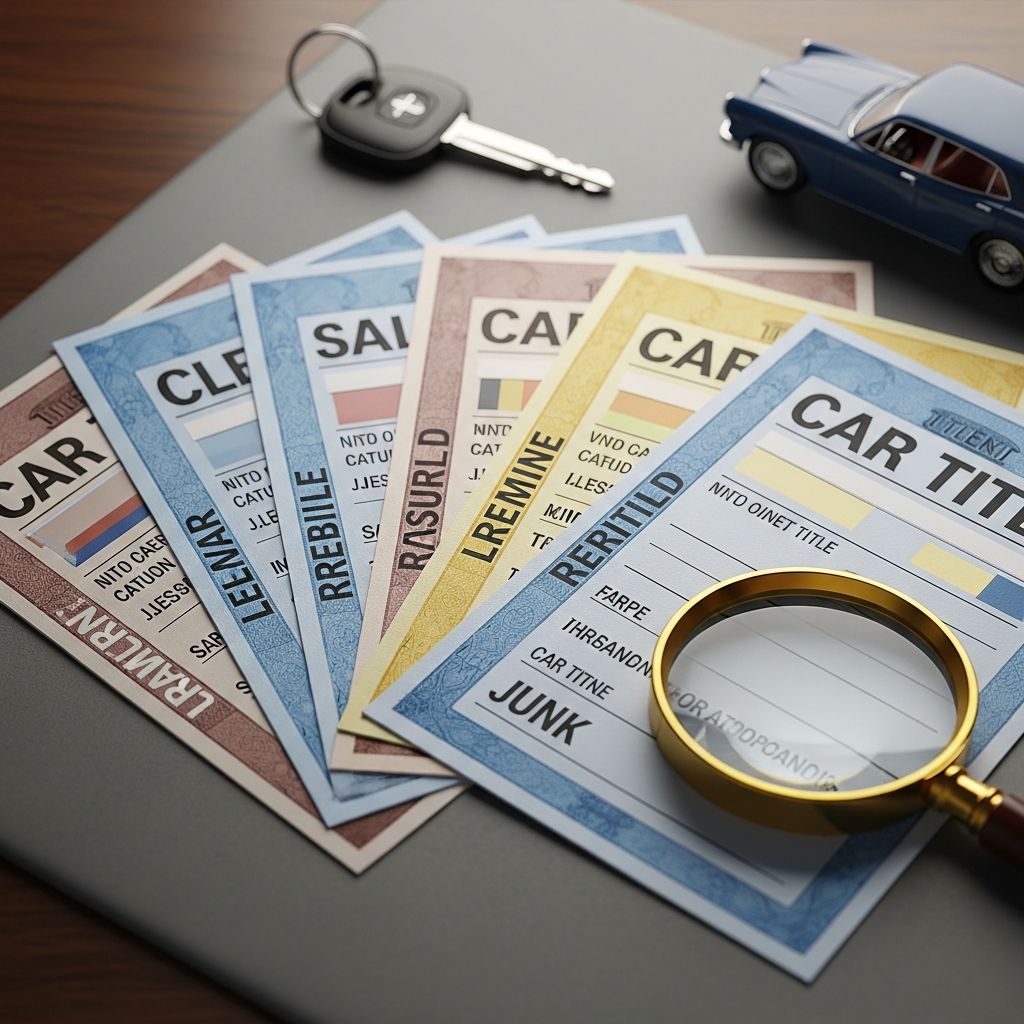
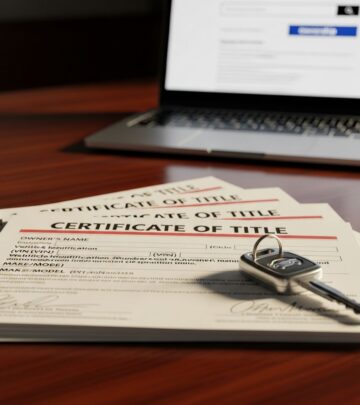
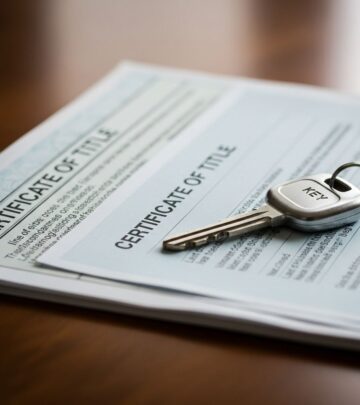
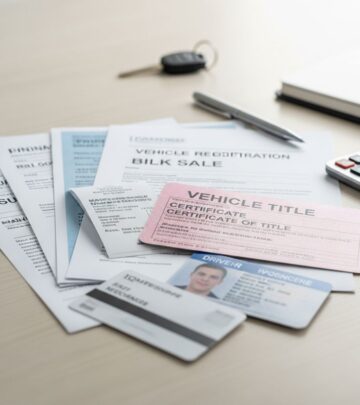
Car titles serve as official proof of vehicle ownership, issued by state departments of motor vehicles (DMVs). They record critical details such as the owner’s name, vehicle identification number (VIN), make, model, year, and any liens or brands indicating past issues. Grasping the nuances of different title types empowers buyers to avoid pitfalls and sellers to set realistic expectations.
Why Car Titles Matter in Transactions
Every vehicle transfer hinges on the title’s status. A title not only confirms ownership but also flags potential problems like damage history or unpaid loans. Lenders scrutinize titles before approving financing, insurers assess risk based on brands, and buyers rely on them for value estimation. State variations exist, but core categories remain consistent across the U.S..
Primary Categories of Vehicle Titles
Titles fall into broad groups based on condition, legal status, and ownership clarity. Here’s a breakdown of the most common ones encountered by consumers.
The Gold Standard: Clear Titles
A
clear title
, often called a clean title, signifies a vehicle free from liens, salvage history, or major damage records. It indicates full, unencumbered ownership and roadworthiness. These titles fetch the highest resale prices, secure easy financing, and attract standard insurance rates.- No outstanding loans or financial encumbrances
- No declarations of total loss from accidents, floods, or theft
- Preferred by dealerships and private buyers alike
- Facilitates seamless registration in any state
Even with a clear title, always obtain a vehicle history report to uncover hidden issues, as it doesn’t guarantee mechanical perfection.
Lienholder Titles: Financed Vehicles
When purchasing via loan, the lender holds a
lienholder title
until the debt is cleared. The buyer’s name appears as the owner, but the lender is listed as the lienholder. Upon full payment, the title transfers solely to the owner, often electronically in modern systems.- Common for new and used car loans
- Prevents sale without lender approval
- Electronic versions streamline processes in many states
Branded Titles Indicating Past Problems
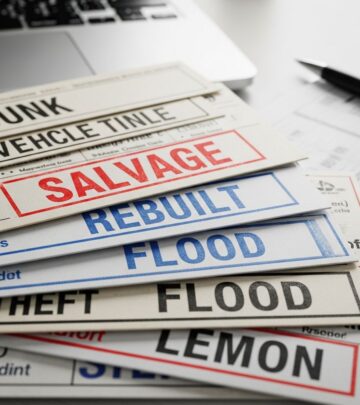
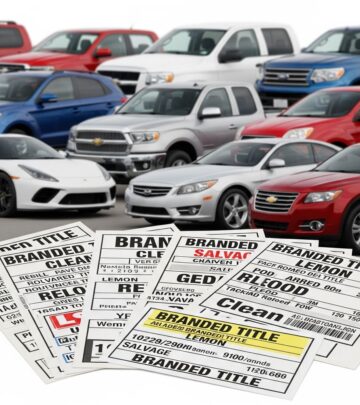
Branded titles highlight vehicles with histories that could impact safety, value, or drivability. These require extra diligence during inspections.
Salvage Titles: Totaled Vehicles
Insurance companies issue
salvage titles
to cars deemed total losses, where repair costs exceed a state-specific threshold (often 70-75% of value). Causes include collisions, fires, floods, or theft recovery. Such vehicles cannot be driven legally until rebuilt and inspected.| Aspect | Implications |
|---|---|
| Resale Value | 50-70% lower than clear titles |
| Insurance | Limited or high-premium options |
| Financing | Rarely approved by banks |
| Road Use | Prohibited without rebuild certification |
Rebuilt and Reconstructed Titles: Restored from Salvage
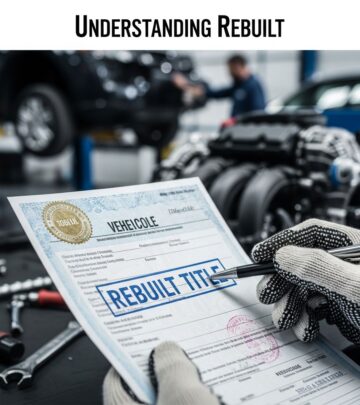
After extensive repairs, a salvage vehicle can earn a
rebuilt
orreconstructed title
following rigorous state inspections. This certifies roadworthiness but carries a stigma, reducing market value by 20-40% compared to clear titles.- Requires professional rebuild and safety checks
- Legal for daily driving post-approval
- Buyers should verify repair quality independently
Junk and Non-Repairable Titles
**Junk titles** mark vehicles too damaged for road use, destined for parts or scrap. They cannot be rebuilt or registered, ending their lifespan as drivable cars.
- Issued for irreparable flood, fire, or crash damage
- Value limited to salvage yards
- Permanently bars titling or sale as operable
Lemon Titles: Defective New Vehicles
Under state
lemon laws
, persistent defects after multiple repair attempts brand a vehicle with alemon title
. Manufacturers often repurchase these, slashing resale appeal.- Applies mainly to recent models
- Protects consumers from unsafe flaws
- Discloses history to future buyers
Special Circumstance Titles
Bonded Titles for Documentation Gaps
Missing or disputed paperwork leads to a
bonded title
, backed by a surety bond (1.5x vehicle value) for 3-5 years. It protects against ownership claims while allowing use.- Common for older or imported cars
- Bond covers potential liens
- Temporary; converts to clear after holding period
Flood and Water Damage Titles
Submersion in floods or storms triggers
flood titles
, signaling corrosion risks in electronics and mechanics. Even post-repair, hidden issues persist.Pro tip: Check for musty odors, rust under carpets, or erratic gauges during inspections.
Odometer Fraud Titles
**Odometer rollback titles** expose mileage tampering, an illegal act inflating value. These brands deter buyers and complicate sales.
- Federal law mandates disclosure
- Vehicle history reports detect discrepancies
- Penalties for sellers include fines
Electronic Titles and Modern Trends
Many states now issue
electronic titles
(e-titles) stored digitally by the DMV, reducing paper and fraud. Owners request printed versions for sales.- Speedier lien releases
- Real-time updates
- Available nationwide via ELT systems
How to Verify and Inspect Titles
Before any purchase:
- Run a VIN-based history report from services like CARFAX.
- Review the physical title for brands, signatures, and liens.
- Have a mechanic inspect for undisclosed damage.
- Confirm with the DMV for electronic status.
| Title Type | Best Use Case | Risks |
|---|---|---|
| Clear | Daily driver, financing | Potential hidden wear |
| Salvage/Rebuilt | Budget projects | Safety concerns, low value |
| Lemon/Junk | Parts only | No road use |
State Variations and Legal Notes
Title branding thresholds differ: some states use 50% repair-to-value ratios, others 80%. Always consult your local DMV for specifics. Massachusetts defines clear as no salvage notations, while Kentucky emphasizes legal ownership docs.
Frequently Asked Questions
What is a clear car title?
A clear title means no liens, brands, or damage history, making it ideal for resale and loans.
Can you finance a salvage title car?
Rarely; most lenders avoid them due to risk.
How do I get a rebuilt title?
Repair the salvage vehicle, pass state inspections, and apply through the DMV.
What’s the difference between salvage and junk titles?
Salvage may be rebuildable; junk cannot.
Do all states recognize rebuilt titles?
Yes, but inspections vary; some restrict interstate use.
Navigating Titles When Buying or Selling
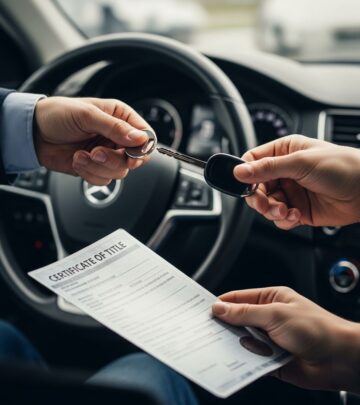
For buyers, prioritize clear titles but negotiate on rebuilt ones with thorough checks. Sellers must disclose brands honestly to avoid fraud charges. In auctions or private sales, titles dictate bids—salvage lots go cheap for flippers.
Proactive title awareness safeguards investments. Pair it with pre-purchase inspections for peace of mind.
References
- Types of Car Titles: Everything You Need to Know — Car and Driver. 2021-06-15. https://www.caranddriver.com/research/a32811335/types-of-car-titles/
- Car Title Guide: Everything You Need to Know — Kelley Blue Book. 2023-05-10. https://www.kbb.com/car-advice/car-title-guide/
- 10 Vehicle Title Types Explained: Clear, Salvage & More — RideSafely. 2024-02-20. https://auction.ridesafely.com/vehicle-title-types-explained/
- Title types and definitions — Mass.gov. 2025-01-12. https://www.mass.gov/info-details/title-types-and-definitions
- Vehicle Titling — Kentucky DRIVE. 2024-11-05. https://drive.ky.gov/Vehicles/Pages/Vehicle-Titling.aspx
- A Complete Guide to Car Titles — CARFAX. 2024-08-18. https://www.carfax.com/buying/what-is-a-car-title
Similar Articles








Read full bio of medha deb