Call Spoofing: How To Spot And Avoid Scams In 2025
Discover how call spoofing deceives callers, common tactics used by fraudsters, and proven strategies to shield yourself from these deceptive phone scams.
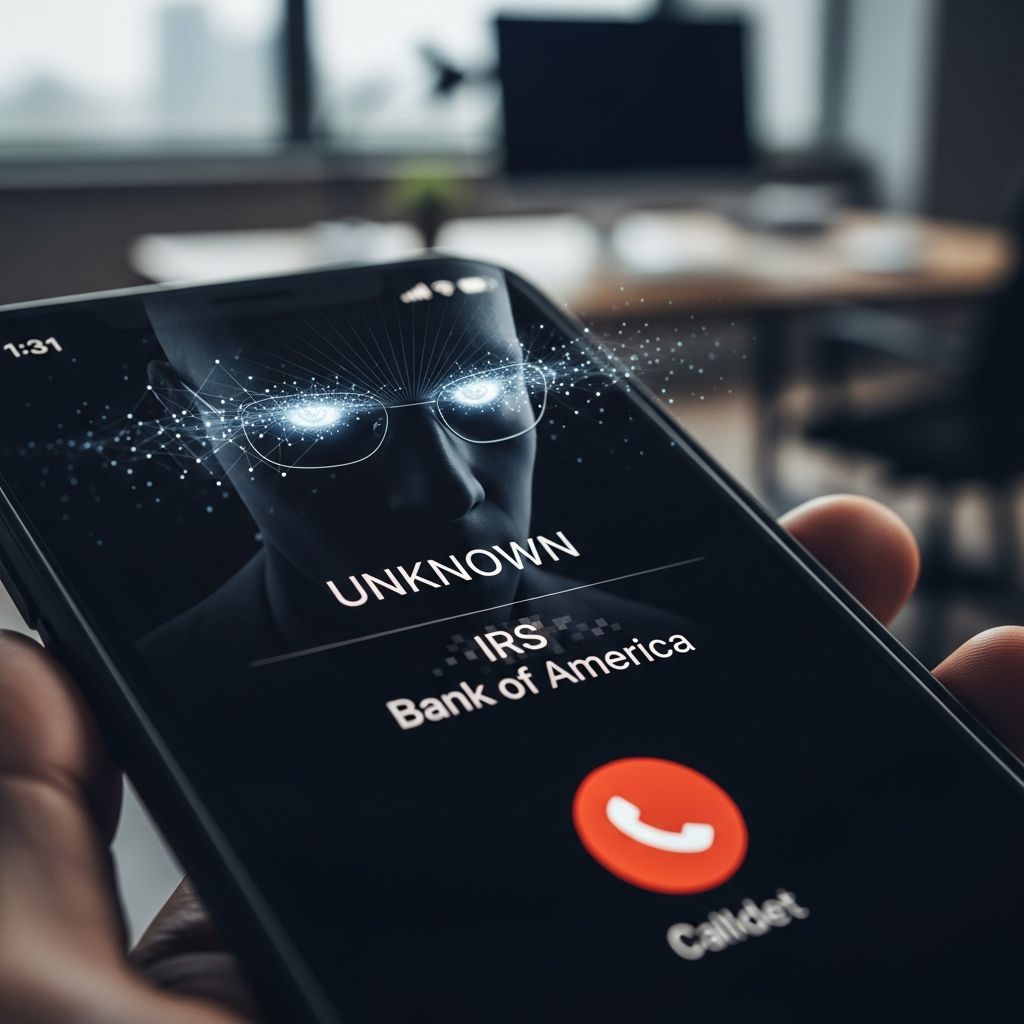
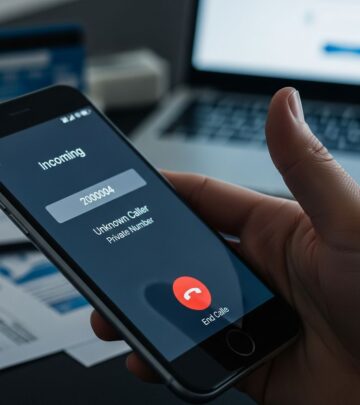
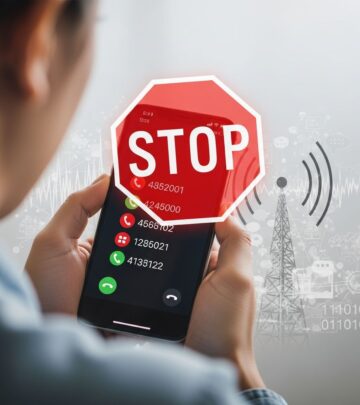
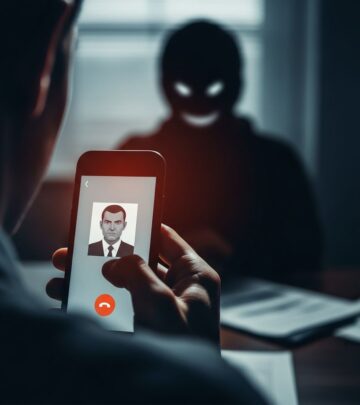
Call spoofing involves manipulating the displayed caller identification to mislead recipients about the true origin of a phone call. This technique allows malicious actors to disguise their identity, often mimicking local numbers, businesses, or authorities to increase the chances of engagement.
The Mechanics Behind Caller ID Manipulation
At its core, call spoofing exploits vulnerabilities in telephony systems. When a call connects, the network transmits caller ID data separately from the voice signal. Fraudsters intercept or alter this data using specialized software or services, making the incoming call appear from a fabricated source.
Modern Voice over IP (VoIP) platforms facilitate this process. Users access online services where they input a desired spoofed number, destination, and sometimes a custom name. The provider then initiates calls to both parties and bridges them, displaying the fake ID to the target.
- VoIP-based spoofing: Relies on internet calling apps with minimal verification.
- Prepaid card systems: Dial a PIN, target number, and spoofed ID for anonymous calls.
- Hardware methods: Devices like ‘orange boxes’ generate fake signals to simulate incoming calls.
Why Fraudsters Rely on This Deception
Criminal elements employ spoofing to bypass natural defenses. People routinely ignore unknown or toll-free numbers, but a local area code triggers curiosity. By mimicking familiar prefixes, scammers boost answer rates significantly.
Key motivations include:
- Evading call-blocking apps that flag suspicious patterns.
- Concealing true origins to dodge traceability and blacklists.
- Building instant credibility for scams involving financial data or urgent demands.
Legitimate uses exist, such as call centers displaying client numbers or doctors showing clinic lines for callbacks, but illicit applications dominate headlines.
Decoding Neighbor and Mirror Spoofing
Neighbor spoofing targets numbers sharing the recipient’s area code and prefix, creating an illusion of proximity. For instance, a call from (555) 123-XXXX to (555) 123-YYYY feels like a community contact.
Mirror spoofing escalates this by displaying the victim’s own number, inducing panic over supposed internal issues or self-calls. This tactic amplifies urgency, prompting hasty responses.
| Tactic | Description | Psychological Impact |
|---|---|---|
| Neighbor Spoofing | Same area code/prefix | Assumed local relevance |
| Mirror Spoofing | Victim’s own number | Confusion and alarm |
| Institutional Impersonation | Government/business IDs | Perceived authority |
Real-World Scam Patterns
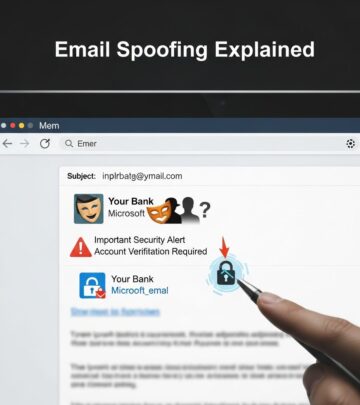
Spoofed calls frequently impersonate officials. Fraudsters pose as IRS agents demanding payments, utility providers threatening cutoffs, or tech support urging remote access. Grandparent scams target seniors by faking family voices in distress.
Other variants:
- Bank alerts requesting verification codes.
- Pharmacy reminders seeking payment details.
- Package delivery notifications demanding fees.
- Voicemail traps urging callbacks to premium lines.
Historical incidents highlight dangers: prank calls summoning SWAT teams or harassment mimicking internal calls led to arrests.
Spotting and Sidestepping Spoofed Calls
Recognition starts with skepticism. Unsolicited demands for money, codes, or access scream fraud, regardless of ID. Local number displays warrant caution if unexpected.
Practical defenses:
- Enable call screening on carrier apps to filter unknowns.
- Use STIR/SHAKEN protocols, which verify caller authenticity via digital signatures (FCC-mandated for major providers).
- Never share info over cold calls; verify independently via official channels.
- Register on Do Not Call lists, though spoofers often ignore them.
- Employ third-party blockers like Nomorobo or Truecaller.
Forward suspicious calls to authorities: In the US, report to FTC at 1-877-FTC-HELP; in Canada, CRTC handles complaints.
Regulatory Responses and Tech Countermeasures
Governments combat spoofing through mandates. The FCC’s STIR/SHAKEN framework requires attestation of caller IDs, reducing unverified traffic. Carriers must implement by 2023 for interstate calls.
Canada’s CRTC prohibits harmful spoofing while permitting business uses, with fines for violations. Globally, services face crackdowns, yet underground providers persist.
Advanced Protection for Businesses
Enterprises face amplified risks like vishing attacks on staff. Deploy:
- Internal training on red flags.
- Multi-factor authentication beyond SMS.
- AI-driven anomaly detection in call logs.
- Whitelisted contact lists for critical vendors.
Frequently Asked Questions
What exactly constitutes call spoofing?
It occurs when the displayed caller ID does not match the actual originating number, often via VoIP tools or apps.
Are all spoofed calls malicious?
No, legitimate entities like clinics use it for convenience, but scams predominate.
How does neighbor spoofing work?
Fraudsters select numbers mirroring the target’s prefix to feign locality.
Can I block all spoofed calls?
Not entirely, but apps and carrier features reduce them significantly.
What should I do if scammed?
Contact your bank, change credentials, and file reports with FTC or local authorities.
Future-Proofing Against Evolving Threats
As 5G and AI voice synthesis advance, spoofing grows sophisticated. Expect robocalls with cloned voices demanding action. Counter with ongoing vigilance, software updates, and policy advocacy for stricter ID verification.
Empower yourself: Treat every unsolicited call as suspect. Hang up, research, then respond via trusted means. This mindset thwarts most attempts.
References
- Caller ID Spoofing Explained and How to Stay Safe — Vitel Global. 2023. https://www.vitelglobal.com/blog/caller-id-spoofing/
- Caller ID Spoofing — CRTC (Government of Canada). 2024-01-15. https://crtc.gc.ca/eng/phone/telemarketing/identit.htm
- Caller ID spoofing — Wikipedia (citing primary sources). 2025. https://en.wikipedia.org/wiki/Caller_ID_spoofing
- What is Phone Number Spoofing — Kaspersky. 2024. https://usa.kaspersky.com/resource-center/preemptive-safety/phone-number-spoofing
- Caller ID Spoofing & What To Do About It — AT&T. 2023-11-20. https://about.att.com/pages/cyberaware/ni/blog/caller-id-spoofing
- What is Spoofing and How Can It Affect You? — Equifax. 2024-05-10. https://www.equifax.com/personal/education/cybersecurity/articles/-/learn/what-is-spoofing/
Similar Articles








Read full bio of Sneha Tete