Routing Numbers: Complete Guide To Electronic Fund Transfers
Master the essentials of routing numbers for seamless financial transactions

When managing your finances in the modern banking landscape, you’ll frequently encounter the term “routing number.” Whether you’re setting up direct deposit at a new job, initiating a wire transfer, or establishing automatic bill payments, this nine-digit code plays a fundamental role in ensuring your money reaches its intended destination. Despite its importance, many people remain uncertain about what a routing number actually is, where to find it, or why financial institutions require it for various transactions.
The Foundation: What Exactly Is a Routing Number?
A routing number serves as a unique identifier for your bank or credit union within the United States financial system. Think of it as a digital postal code—just as mail needs a city and state to reach the correct location, electronic funds require a routing number to arrive at the proper financial institution. This nine-digit code was established by the American Bankers Association in 1910 and has become the standard mechanism for identifying financial institutions during electronic transactions.
The routing number exists alongside your account number to create a complete banking identity. While your account number identifies you specifically within your bank, the routing number identifies the bank itself. Together, these two pieces of information function like a complete street address: the routing number represents the city and state, while your account number represents your specific street address. This dual-identifier system reduces fraud and ensures that payments, deposits, and transfers go to the correct institution and ultimately to you.
The Anatomy of a Nine-Digit Code
Understanding the structure of a routing number reveals how the banking system processes transactions efficiently. Each of the nine digits carries specific meaning and serves a distinct purpose in the routing process.
- Digits 1-2: These first two numbers identify which Federal Reserve Bank district your financial institution operates within. The Federal Reserve System divides the United States into twelve districts, and these digits indicate your institution’s assigned district.
- Digits 3-4: These digits specify the particular processing center or branch within that Federal Reserve district where checks and electronic payments are processed.
- Digits 5-8: This four-digit sequence represents your specific financial institution’s unique identifier within its Federal Reserve district. No two banks share the same four-digit identifier within a district.
- Digit 9: The final digit functions as a checksum—a mathematical verification tool that confirms the accuracy of the first eight digits. This digit helps prevent fraudulent or mistyped routing numbers from entering the system.
This systematic structure enables the Federal Reserve and banking networks to efficiently sort and direct millions of transactions daily. The format ensures that routing information can be read both by human tellers and by automated bank processing equipment that reads checks using magnetic ink character recognition (MICR) technology.
Multiple Routing Numbers: Why Large Banks Differ From Credit Unions
You might be surprised to learn that your bank doesn’t necessarily have just one routing number. Large financial institutions with multiple branches across different states often maintain separate routing numbers for different regions or transaction types. This routing number variation reflects the historical development of U.S. banking, where regional institutions eventually merged into larger national networks while maintaining distinct processing centers in different locations.
For example, a major national bank might have different routing numbers for customers who opened accounts in New York versus those in California, even though both customers use the same bank’s services today. Similarly, some banks distinguish between routing numbers used for wire transfers and those used for ACH (Automated Clearing House) transfers, though they often use the same number for both types of transactions.
In contrast, smaller community banks and credit unions typically maintain a single routing number that serves all their customers regardless of location. This simpler structure reflects their regional nature and focused customer base. Understanding whether your bank has multiple routing numbers becomes important when setting up automatic transfers or receiving payments, as using the incorrect routing number could result in delayed or misdirected funds.
Locating Your Routing Number: Multiple Methods Available
The good news is that finding your routing number requires minimal effort, as numerous resources and methods are available depending on your situation and preferences.
The Check Method: Your Most Direct Route
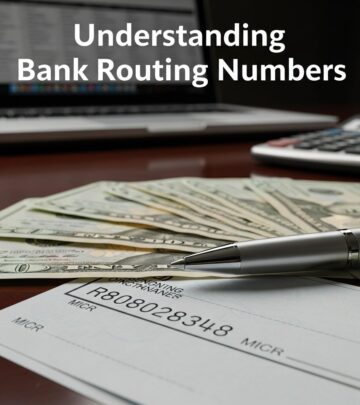
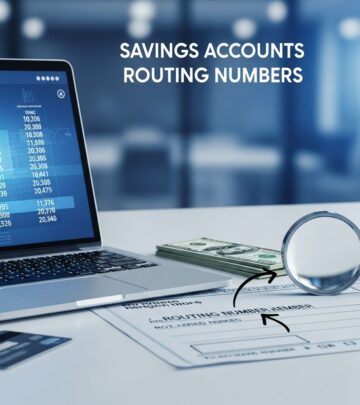
If you have a personal checkbook, locating your routing number takes just seconds. At the bottom left corner of any check you’ve been issued, you’ll find a series of numbers printed in a distinctive magnetic ink format. The first nine digits in this sequence represent your routing number. These numbers are separated by special symbols (typically colons or similar characters) that enable automated banking equipment to read them accurately. The routing number is always the leftmost set of numbers, followed by your account number in the middle, and your individual check number on the right.
It’s important to note that the special symbols separating these numbers are not actually part of the routing number itself—they’re merely formatting characters that help processing machines read the code correctly.
Digital Access Through Online Banking
For those who don’t use checks or prefer digital methods, your bank’s online portal provides quick access to your routing number. Log into your banking website and navigate to sections labeled “Account Information,” “Account Summary,” or “Account Details.” The exact location varies depending on your bank’s website design, but the routing number typically appears prominently among your account information. Many banks display it alongside your account number for easy reference.
Bank Contact and Official Resources
You can always contact your bank directly through multiple channels to request your routing number. Call your bank’s customer service line, visit a local branch, use your bank’s live chat feature, or send a secure message through your online banking account. Bank representatives can quickly provide your routing number and clarify whether you have multiple numbers for different purposes.
Additionally, the American Bankers Association maintains an official routing number lookup tool that allows you to search for any bank’s routing number by institution name and location. This resource can be particularly helpful if you’re trying to verify a routing number or find the number for a bank where you don’t currently have an account.
Applications in Modern Banking: Why Routing Numbers Matter
Routing numbers serve as the backbone of numerous financial transactions that most people conduct regularly without thinking about the routing infrastructure behind the scenes.
| Transaction Type | How Routing Numbers Apply | Typical Timeline |
|---|---|---|
| Direct Deposit | Your employer uses your routing number and account number to deposit your paycheck electronically | 1-2 business days |
| ACH Payments | Automatic bill payments and transfers between accounts rely on routing numbers to reach the correct institution | 1-3 business days |
| Wire Transfers | Routing numbers help direct large, time-sensitive transfers to the intended bank | Same or next business day |
| Online Bill Pay | When you pay bills through your bank’s website, routing numbers guide funds to creditors | 2-5 business days |
| Peer-to-Peer Transfers | Apps like Venmo and Zelle use routing numbers to connect different banks | Immediate to 1 business day |
Without routing numbers, the modern electronic banking system would collapse. These nine-digit codes ensure that when you deposit a check at an ATM, your mortgage payment goes to your lender, or you receive your paycheck from your employer, the funds travel through the correct financial institution. Imagine trying to send mail without postal codes—routing numbers serve the same critical function in the digital financial world.
Key Distinctions: Routing Numbers Versus Account Numbers
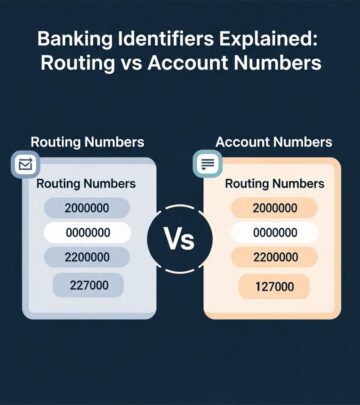
Many people confuse routing numbers with account numbers, yet they serve entirely different purposes in banking. Your routing number identifies your bank—it’s public information that appears on checks and in bank directories. Multiple people might share the same routing number if they bank at the same institution.
Your account number, conversely, is private information unique to you and your specific account. Only you should have access to your account number, and it should be guarded similarly to how you’d protect other sensitive financial information. Account numbers typically range from 8 to 12 digits, making them longer than routing numbers. When reading a check from left to right, you’ll see the routing number first, then your account number, then your check number.
Understanding ACH Routing Numbers: A Specialized Application
While many people use the terms interchangeably, ACH (Automated Clearing House) routing numbers warrant specific attention. An ACH routing number is essentially a routing number used specifically for electronic payments rather than check processing. In many cases, your ACH routing number and your standard ABA (American Bankers Association) routing number are identical. However, some financial institutions maintain separate numbers for these different transaction types.
The distinction matters when setting up automatic payments or transfers through ACH networks. If you’re instructed to provide your “ACH routing number” for a particular transaction, check with your bank to confirm whether it differs from the routing number printed on your checks.
Frequently Asked Questions About Routing Numbers
Can I Use Any Bank’s Routing Number to Receive Funds?
No. You must provide the routing number for the specific financial institution where you hold an account. Using a different bank’s routing number will cause the transfer to fail or route funds incorrectly. If your bank has multiple routing numbers, ensure you’re providing the one associated with the account where you want funds deposited.
What If I Provide an Incorrect Routing Number?
An incorrect routing number typically results in a failed or delayed transaction. The sending bank’s systems may reject the transaction if they can’t verify the routing number, or funds might be sent to the wrong institution. Contact your bank immediately if you suspect you’ve provided an incorrect routing number, as they may be able to intercept the transfer or help locate where it was sent.
Are Routing Numbers the Same Everywhere?
Routing numbers are specific to individual banks or credit unions, not to your location. However, if your bank operates in multiple states, you might have different routing numbers depending on which state you originally opened your account in. Always verify which routing number applies to your specific account rather than assuming location-based information.
Can Criminals Use My Routing Number Fraudulently?
While your routing number is public information, criminals cannot access your funds with only your routing number. They would also need your account number and other verification information. However, protect your full banking information (routing and account numbers together) as carefully as you would any sensitive financial data.
Best Practices for Managing Your Routing Number
Keep your routing number in an easily accessible location for when you need it for direct deposit setup, automatic payments, or fund transfers. Many people store it along with their account number in a secure personal document or banking folder. Since routing numbers are public information, there’s no security risk in having them readily available—the security risk only emerges when someone combines your routing number with your account number and other personal information.
Verify your routing number carefully before completing any electronic transaction. A simple typo in a single digit could misdirect funds to the wrong institution, creating significant inconvenience and potential delays in accessing your money. When receiving routing number instructions from third parties (employers, creditors, service providers), independently verify the number through your bank’s official channels rather than relying solely on what someone else has provided.
If you change banks, save your new routing number for future reference. Similarly, if you open new accounts at your current bank, confirm that all accounts use the same routing number or understand which accounts use different numbers for specific purposes.
References
- Routing Number: What It Is And How To Find Yours — Bankrate. 2024. https://www.bankrate.com/banking/checking/what-is-a-routing-number/
- What Is a Routing Number? — Experian. 2024. https://www.experian.com/blogs/ask-experian/what-is-routing-number/
- What are ACH routing numbers? — Stripe. 2024. https://stripe.com/resources/more/ach-routing-numbers-explained
- Locate Routing and Account Numbers on a Check — Nationwide. 2024. https://www.nationwide.com/lc/resources/personal-finance/articles/routing-and-account-numbers
- What Is a Routing Number? Definition and Where to Find Yours — NerdWallet. 2024. https://www.nerdwallet.com/banking/learn/what-is-a-routing-number
- ABA Routing Number — American Bankers Association. 2024. https://www.aba.com/about-us/routing-number
Similar Articles








Read full bio of Sneha Tete