Understanding Your Bank Account Balances
Learn the critical differences between your account balances to manage finances better
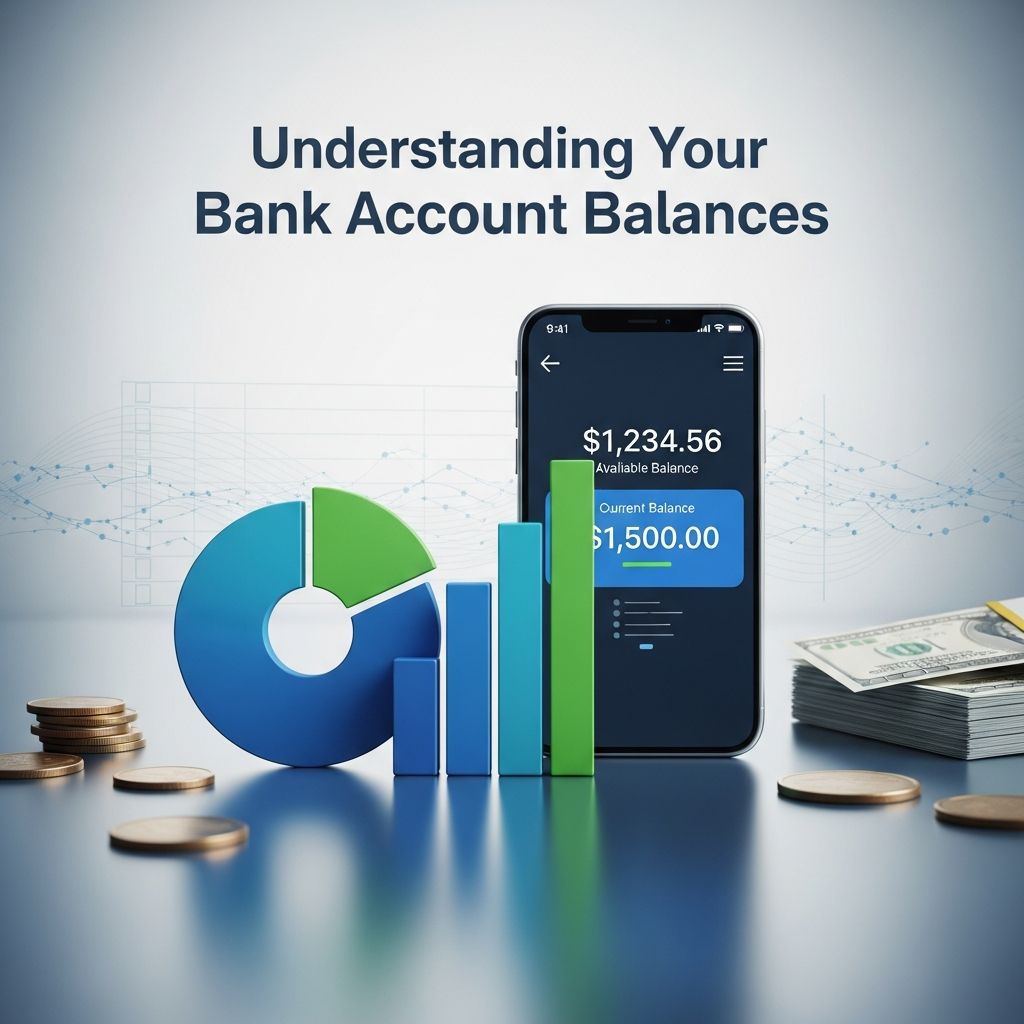
When you log into your bank account, you may notice two different balance figures displayed. Many people assume these numbers should match, but they often don’t. The discrepancy between these balances can lead to confusion about how much money you actually have available to spend. Understanding the distinction between these two types of balances is essential for effective financial management and avoiding costly mistakes like overdraft fees.
The key to mastering your account balance lies in recognizing that your bank displays information in different ways for different purposes. One balance tells you what money sits in your account at this precise moment, while another tells you what you can actually use right now. Mixing these up is one of the most common reasons people accidentally overspend and face unexpected fees.
The Foundation: What Present Balance Represents
Your present balance, also referred to as current balance or posted balance, represents the total amount of money currently residing in your account at any given moment. This figure includes all transactions that have been officially processed and posted to your account by your bank. It encompasses every deposit that has cleared, every withdrawal that has been completed, and every bill payment that has been finalized.
Think of your present balance as a historical snapshot. It shows you the money that has definitively moved in and out of your account through completed transactions. When you receive a paycheck and it deposits, that amount gets added to your present balance. When you pay a bill online and the bank confirms the payment has processed, that amount gets subtracted from your present balance.
The important characteristic of present balance is that it only reflects posted transactions—those that have fully cleared through the banking system. Transactions that you’ve initiated but that the bank hasn’t yet finalized don’t appear in this figure. This is why your present balance can sometimes appear deceptively high compared to what you actually have available to spend.
The Real-Time Picture: Defining Available Balance
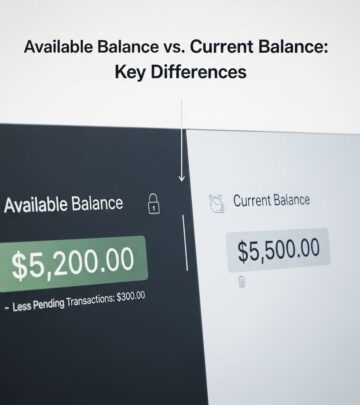
Your available balance tells a different story. This figure represents the actual amount of money you can access and spend at this very moment. The available balance takes your present balance and adjusts it by accounting for all pending transactions—those you’ve authorized but that haven’t fully cleared yet.
When you swipe your debit card at a store, that transaction doesn’t instantly post to your account. Instead, it enters a “pending” state. Your bank knows you’ve authorized this transaction and sets money aside for it, but the final processing might take hours or even days. Your available balance immediately reflects this pending transaction, reducing the amount shown to account for money that’s been promised but not yet fully transferred.
Available balance is far more useful for making real-time spending decisions. It answers the question: “How much can I actually spend right now without risking overdraft fees?” This balance accounts for:
- Pending debit card transactions
- Checks you’ve written that haven’t cleared
- Holds placed on deposits
- Pending online bill payments
- Authorized but unprocessed transfers
Seeing the Difference in Action
Consider this practical scenario to understand how these balances diverge. Suppose you start your day with a present balance of $2,000. This represents money that has fully cleared in your account. During your morning, you make several transactions:
- You purchase groceries for $85 using your debit card
- You buy gas for $40
- You make an online payment toward a credit card for $300
Immediately after these transactions, your present balance still shows $2,000. Why? Because none of these transactions have fully posted yet—they’re all pending. The bank hasn’t officially moved the money out of your account.
However, your available balance tells the real story. It shows $1,575 ($2,000 minus $85 minus $40 minus $300). This is what you can actually spend. If you tried to spend another $1,600, you might face an overdraft because your available balance only allows $1,575 in additional spending.
This gap between the two balances exists because modern banking relies on a processing system that takes time. Transactions don’t move instantaneously through the banking network. They take time to authorize, route, and settle. During this period, your available balance protects you by accounting for money that’s committed but not yet officially deducted.
Why Banks Show You Both Balances
You might wonder why banks display two different balances instead of just one. The reason is that each serves a distinct purpose in financial management.
Your present balance is useful when you’re budgeting and trying to understand what money has already moved through your account. If you’re reviewing the past few days of transactions to see where your money went, present balance gives you the complete, finalized picture. It’s helpful for reconciling your account with your own records.
Your available balance is essential for forward-looking financial decisions. When you’re about to make a purchase or withdrawal, checking your available balance ensures you won’t accidentally overdraft. Banks prioritize this balance because it directly affects whether a transaction will be approved or declined.
The Processing Timeline and Its Impact
The reason these two balances exist is rooted in how banking systems process transactions. Different types of transactions clear at different speeds:
| Transaction Type | Typical Processing Time | Impact on Available Balance |
|---|---|---|
| Debit card purchases | 1-3 business days | Immediate reduction |
| ACH transfers | 1-3 business days | Immediate reduction |
| Wire transfers | 1 business day | Immediate reduction |
| Check deposits | 1-5 business days | May be partial hold |
| Direct deposits | 1 business day | Available after posting |
Understanding these timelines helps explain why your available balance might be significantly lower than your present balance, especially if you’ve made multiple purchases in quick succession.
Spotting When Balances Differ Significantly
In most cases, when your available balance and present balance differ, your available balance will be lower. This happens because pending transactions haven’t yet cleared. However, there are situations where available balance might appear higher than present balance:
- A pending deposit that hasn’t posted yet but has been added to available balance
- Bank overdraft protection that provides a temporary buffer
- A pending refund that the bank has already credited to available balance
These situations are less common, but understanding they can occur helps you avoid misinterpreting your account information.
Which Balance Should Guide Your Spending Decisions?
For spending decisions, your available balance should be your north star. This is the number that accurately reflects what you can access right now. Using your present balance as your spending guide is a common mistake that leads to overdrafts.
For example, if your present balance shows $1,500 but your available balance shows $800 due to pending transactions, you should treat $800 as your true balance for spending purposes. Spending based on the $1,500 figure would almost certainly result in overdraft fees.
However, your present balance serves other purposes. When reviewing past activity for budgeting or tax purposes, present balance gives you the accurate, finalized picture of completed transactions.
Practical Steps to Manage Your Balances Effectively
Mastering your account balances requires adopting specific habits:
- Check available balance before spending: Make it automatic to check available balance before making any purchase with your debit card
- Monitor pending transactions: Review your pending transactions regularly to understand why available balance differs from present balance
- Account for processing delays: When you initiate a transaction, mentally deduct it from available balance immediately, even if it shows as pending
- Maintain a buffer: Keep a cushion of money you don’t spend to account for processing delays and unexpected expenses
- Set up alerts: Most banks offer low-balance alerts that trigger when available balance drops below a threshold you set
Avoiding Overdraft Fees Through Balance Awareness
Overdraft fees occur when you attempt to spend money you don’t have available. The primary cause is ignoring available balance in favor of present balance. When you check your present balance and make purchases based on that number, you’re gambling that pending transactions will clear before your new transactions post. This gamble frequently fails.
Banks process transactions throughout the day, and the order matters. Your bank might process pending transactions before clearing new transactions, resulting in insufficient funds. Available balance protects you from this scenario by accounting for everything that’s been authorized.
If an overdraft does occur, fees typically range from $25 to $35 per incident. Multiple overdrafts in quick succession can result in hundreds of dollars in fees. Understanding and respecting your available balance is the simplest way to avoid this entirely.
Special Situations: Holds and Deposits
Sometimes your available balance includes complications beyond simple pending transactions. When you deposit a check, your bank might place a hold on part or all of the funds. Even though the check appears in your present balance, it might not be available for spending if the bank is holding it pending clearing from the other bank.
Large deposits, checks from out-of-state banks, or deposits made late in the day are more likely to trigger holds. Understanding these holds helps explain discrepancies between your two balances. The deposit amount increases your present balance, but your available balance might not fully increase if a hold is in place.
Frequently Asked Questions
Why does my bank show two balances?
Banks display both balances because they serve different purposes. Present balance shows what has officially cleared, while available balance shows what you can actually spend right now accounting for pending transactions.
Can available balance ever exceed present balance?
Yes, though it’s uncommon. This can happen when pending deposits or refunds have been added to available balance but haven’t yet posted to present balance, or when overdraft protection is active.
How long do pending transactions stay pending?
Most pending transactions clear within 1-3 business days. However, some transactions might take up to 5 business days to fully post, depending on transaction type and bank processing speed.
What should I do if I think I might overdraft?
Contact your bank immediately. Some banks can reverse pending transactions or temporarily increase your available balance. Additionally, check whether your account qualifies for overdraft protection services.
Is present balance ever useful for spending decisions?
Not directly. Present balance is useful for historical budget analysis and understanding completed transactions, but available balance should always guide actual spending decisions.
References
- Available Account Balance vs. Present Account Balance — Experian. https://www.experian.com/blogs/ask-experian/available-account-balance-vs-present-balance/
- The Difference Between Current Balance and Available Balance — SoFi. https://www.sofi.com/learn/content/current-balance-vs-available-balance/
- What is the difference between my available balance and current balance? — MACU. https://www.macu.com/help/answers/account-balances/what-is-the-difference-between-available-balance-and-current-balance
- Total Balance vs. Available Balance — M&T Bank. https://www.mtb.com/personal/checking-accounts/tips-on-managing-your-account/total-vs-available-balance
- What’s the Difference Between Posted vs Available Balance? — Truist. https://www.truist.com/money-mindset/principles/budgeting-by-values/posted-vs-available-balance
Similar Articles








Read full bio of Sneha Tete