Adjustable-Rate Mortgages: 5 Steps To Secure An ARM
Explore how ARMs work, their advantages, risks, and ideal scenarios for homebuyers seeking flexible financing options.
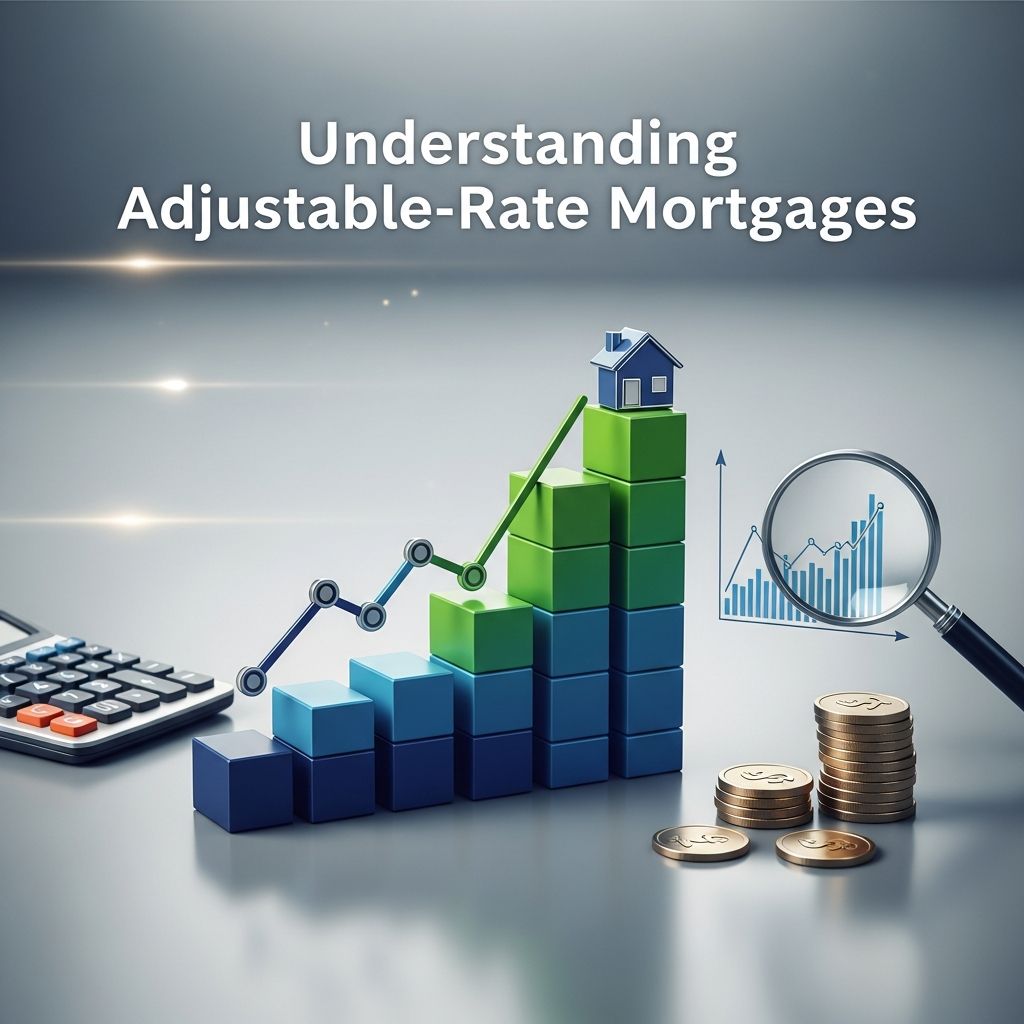
Adjustable-rate mortgages, commonly known as ARMs, provide homebuyers with a dynamic approach to financing that starts with attractive low rates and adjusts over time based on market conditions. These loans differ from traditional fixed-rate mortgages by offering initial stability followed by periodic changes, making them suitable for certain financial profiles.
Core Mechanics of ARMs
At its foundation, an ARM features an introductory fixed interest rate for a specified initial period, typically ranging from 3 to 10 years. After this phase, the rate fluctuates according to a benchmark index, such as the Secured Overnight Financing Rate (SOFR), plus a fixed margin set by the lender. This structure ensures payments remain predictable at first but adapt to economic shifts later.
Common configurations include notations like 5/1 or 7/1 ARM, where the first number denotes the years of the fixed period, and the second indicates the frequency of subsequent adjustments, often annually. For instance, a 7/1 ARM locks the rate for seven years before yearly recalculations.
Key Components Explained
- Index: A market-based measure reflecting broader interest trends, like SOFR, which influences the adjustable rate.
- Margin: The lender’s fixed addition to the index, determining the fully indexed rate (index + margin).
- Adjustment Frequency: How often the rate changes post-initial period, usually every 6 or 12 months.
Advantages That Attract Borrowers
One primary draw of ARMs is the significantly lower starting interest rate compared to fixed-rate counterparts, often 0.5% to 2% lower. This translates to reduced monthly payments during the initial phase, enabling buyers to qualify for larger loans or allocate savings elsewhere.
| Feature | ARM Benefit | Example Impact (on $300,000 loan) |
|---|---|---|
| Intro Rate | Lower than fixed (e.g., 4% vs 6%) | $200-$400 monthly savings |
| Buying Power | Affords pricier home | Up to 10-15% more house |
| Rate Decrease Potential | Auto-adjusts down | Payments drop if market falls |
ARMs shine for short-term homeowners, real estate investors, or those anticipating income growth. Investors benefit from boosted cash flow and ROI during the fixed period, while others enjoy flexibility to refinance before adjustments begin.
Potential Drawbacks and Risks
Despite appeal, ARMs carry inherent uncertainties. Post-initial period, rising market rates can elevate the interest rate, inflating monthly payments substantially. Without safeguards, this could strain budgets, especially on long-term loans like 30-year terms.
Historical data shows periods where rates surged, underscoring the need for caution. Borrowers must stress-test affordability against maximum possible payments.
Built-in Protections: Rate Caps
To mitigate extremes, ARMs include caps limiting changes:
- Initial Cap: Restricts first adjustment (often 2-5%).
- Periodic Cap: Limits per-adjustment shifts (typically 2%).
- Lifetime Cap: Overall maximum increase (usually 5-6%).
These mechanisms prevent drastic spikes but don’t eliminate risk entirely.
Ideal Candidates for an ARM
Not every buyer suits an ARM. They best serve:
- Short-term residents planning to sell or refinance within the fixed period.
- Investors flipping properties or renting for cash flow.
- Professionals expecting promotions or career advancements to cover future hikes.
- Those in declining rate environments, positioning for automatic reductions.
Conversely, fixed-rate loans favor long-term stability seekers on fixed incomes.
Comparing ARMs to Fixed-Rate Mortgages
| Aspect | ARM | Fixed-Rate |
|---|---|---|
| Initial Rate | Lower | Higher |
| Payment Predictability | Initial only | Full term |
| Adjustment Risk | High potential increases | None |
| Best For | Short-term, flexible budgets | Long-term stability |
| Refinance Needs | Often to fixed | Rarely |
This comparison highlights ARMs’ niche: affordability upfront versus fixed loans’ enduring certainty.
Steps to Secure an ARM
- Assess Timeline: Confirm plans align with fixed period.
- Calculate Worst-Case: Model max payments using caps and current indexes.
- Shop Lenders: Compare margins, caps, and fees.
- Prepare Backup: Plan for refinance or savings buffer.
- Consult Experts: Review with financial advisors.
Frequently Asked Questions (FAQs)
What happens if rates drop after my ARM adjusts?
Your payments could decrease automatically, unlike fixed loans requiring refinance.
Are ARMs riskier than fixed mortgages?
Yes, due to potential payment hikes, but caps provide limits.
Can I refinance out of an ARM?
Absolutely, especially before or during adjustments if rates favor fixed options.
How do I know if an ARM fits my budget?
Use online calculators to simulate adjustments and ensure max payments are manageable.
What’s the most common ARM type?
5/1 and 7/1 ARMs dominate for balancing initial savings and adjustment timing.
Strategic Tips for ARM Success
To maximize benefits, monitor economic indicators, build emergency funds covering 6-12 months of max payments, and track index trends. Regularly reassess via annual financial reviews. For investors, align property hold periods precisely with fixed phases.
In rising rate climates, ARMs demand prudence; in stable or falling ones, they offer upside. Always prioritize qualification based on fully indexed rates, not teasers.
References
- Adjustable-Rate Mortgage Risks and Benefits — WSECU. 2023. https://wsecu.org/resources/arm-risks-benefits
- Pros & Cons of an Adjustable-Rate Mortgage — Chase Bank. 2025-10-29. https://www.chase.com/personal/mortgage/education/financing-a-home/pros-and-cons-adjustable-rate-mortgage
- What Is an Adjustable-Rate Mortgage? — PNC Insights. 2024. https://www.pnc.com/insights/personal-finance/borrow/what-is-adjustable-rate-mortgage.html
- Pros And Cons Of An Adjustable-Rate Mortgage (ARM) — Bankrate. 2025. https://www.bankrate.com/mortgages/pros-and-cons-arm/
- Adjustable-Rate Mortgages: How They Work (+Pros and Cons) — SCCU. 2024. https://www.sccu.com/articles/home-mortgage/adjustable-rate-mortgages-how-they-work-pros-cons
- Adjustable-rate mortgages: Pros and cons — Rocket Mortgage. 2025. https://www.rocketmortgage.com/learn/adjustable-rate-mortgage-pros-and-cons
- Fixed vs Adjustable Rate Mortgage | Pros & Cons — Nusenda. 2025-09-10. https://www.nusenda.org/news-resources/financial-library/blog/2025/09/10/fixed-vs-adjustable-rate-mortgage
Similar Articles








Read full bio of medha deb