710 Credit Score: Benefits, Costs, And How To Improve
Explore what a 710 credit score means and unlock financial opportunities today

A credit score of 710 positions you in a favorable position within the broader lending landscape. This score indicates that you have demonstrated responsible financial behavior and have built a reasonably solid credit history. For most lenders and financial institutions, a 710 score signals that you represent an acceptable level of risk, making you eligible for a variety of credit products and financial opportunities.
Where Does a 710 Score Fit in the Credit Spectrum?
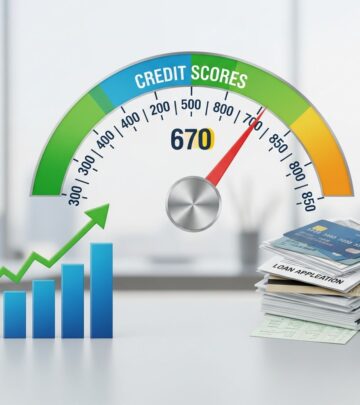
Understanding where your score falls among the broader credit classification system helps you recognize your standing in the financial world. Credit scoring models typically operate on a scale ranging from 300 to 850, with each segment representing different levels of creditworthiness. A 710 score lands you in what most lenders classify as the “good” credit category.
The “good” range typically spans from approximately 670 to 739, placing your 710 score solidly within this tier. This positioning is particularly meaningful because the national average FICO score hovers around 714 to 717, meaning your score is essentially aligned with the typical American consumer. This proximity to the national average demonstrates that you are not an outlier in terms of credit behavior—you reflect mainstream financial management patterns.
It is important to recognize that while your 710 score qualifies as “good,” it does not reach the elevated “very good” (740-799) or “exceptional” (800-850) tiers. This distinction matters significantly when you are seeking the most advantageous borrowing terms, as lenders typically reserve their most competitive rates and premium benefits for consumers in these higher categories.
The Financial Advantages You Can Access
Your 710 credit score unlocks numerous financial benefits that can meaningfully improve your economic situation. Understanding these advantages helps you leverage your creditworthiness effectively.
- Loan and Credit Card Approval: Lenders generally view a 710 score favorably when evaluating applications, resulting in higher approval rates across most loan categories and credit card products.
- Competitive Interest Rates: While you may not qualify for absolute rock-bottom rates, your score positions you for reasonably attractive interest rates that are substantially better than those offered to borrowers with lower scores.
- Rewards Program Eligibility: You qualify for mainstream credit cards offering cash back benefits, travel rewards, and other valuable perks, though the most exclusive premium cards may remain out of reach.
- Credit Limit Potential: Card issuers and lenders typically offer credit limits that align with your creditworthiness level, providing you with adequate borrowing capacity for most needs.
- Refinancing Opportunities: If you have existing loans, your 710 score positions you to refinance into potentially better terms, particularly if interest rates have declined or your financial situation has improved.
- Reduced Cosigner Requirements: Many lenders will approve you without requiring a cosigner, allowing you greater financial independence and autonomy.
Borrowing Costs: Real Numbers That Matter
The difference between a 710 score and higher credit tiers translates into concrete financial implications. Understanding these cost differences motivates improved credit management. For automotive loans, research indicates that borrowers in the “prime” category (661-780 credit score range) pay approximately 6.89% for new vehicles and 9.04% for used vehicles. By contrast, borrowers in the “super prime” category (781-850) pay roughly 5.38% for new vehicles and 6.80% for used vehicles—a meaningful difference that compounds significantly over multi-year loan terms.
To illustrate this impact concretely, consider a $40,000 new vehicle loan. The interest rate difference between a borrower with a 710 score and someone with a 780 score could result in thousands of dollars in additional interest payments over the life of the loan. This exemplifies why moving your score from “good” to “very good” represents a valuable financial goal.
Exploring Mortgage Opportunities at 710
For individuals considering homeownership, a 710 credit score provides meaningful access to mortgage lending. Lenders will generally approve qualified applicants with this score, allowing you to pursue homeownership goals. However, your mortgage interest rate will likely be slightly higher than rates offered to borrowers with “very good” or “exceptional” credit.
Your 710 score suggests you can obtain mortgage financing at or near national average rates, enabling you to participate in the housing market without experiencing extreme disadvantage. To maximize your mortgage advantages, you should supplement your credit score strength with factors like a stable employment history, manageable debt-to-income ratios, and a reasonable down payment.
Credit Cards: Understanding Your Options and Limitations
Your 710 credit score opens the door to a substantial selection of credit card offerings. You will likely qualify for cards featuring valuable rewards structures, including cash back on purchases, travel benefits, and sign-up bonuses. Many mainstream financial institutions market attractive credit cards toward consumers in your score range, recognizing that you represent manageable credit risk.
However, certain premium credit cards with the most generous rewards and elite benefits typically target consumers with higher credit scores. If your financial goals include obtaining the absolute most rewarding credit card products, you may need to work toward improving your score. The good news is that your starting position makes this entirely achievable through disciplined financial management.
Beyond Traditional Lending: Other Credit Score Benefits
Your credit score influences more than just borrowing terms. Landlords evaluating rental applications frequently check credit scores and tend to look more favorably on applicants with good or better scores. Similarly, utility companies may waive security deposits for customers with solid credit histories, a benefit that extends beyond traditional lending.
Insurance companies also consider credit information when setting rates for auto and homeowners policies, often offering better pricing to individuals with good credit scores. Additionally, some employers review credit reports as part of hiring decisions, particularly for positions involving financial responsibilities, making your good credit score an asset in the employment market.
Risk Assessment: What Lenders See
When you present a 710 credit score to a lender, they interpret this score as indicating relatively low risk. Research from major credit bureaus shows that only approximately 9% of consumers with good FICO scores become seriously delinquent on their debts in the future. This statistic underscores why lenders view good-credit borrowers as reasonable credit risks worthy of extending credit.
Your score suggests you have established a track record of paying obligations on time, managing credit responsibly, and maintaining reasonable debt levels relative to your income. These demonstrated behaviors make you an attractive borrower from a lender’s perspective.
Pathways to Score Improvement
While a 710 score provides solid financial positioning, improvement opportunities exist. Moving your score into the “very good” range (740 and above) could meaningfully improve your access to the most favorable lending terms. Several strategic approaches support credit score improvement:
- Consistent On-Time Payments: Payment history comprises the largest factor in credit score calculations. Ensuring every payment arrives on or before its due date strengthens your score over time.
- Credit Utilization Reduction: Paying down revolving account balances reduces your credit utilization ratio, a factor that significantly impacts your score. Aim to keep utilization below 30% of available credit limits.
- Past-Due Account Resolution: If you have any accounts currently past due, bringing them current demonstrates renewed responsible behavior and begins rebuilding your credit profile.
- Credit Mix Maintenance: Maintaining a healthy mix of credit types—installment loans, revolving accounts, and other credit forms—supports score development.
- New Credit Caution: While you can apply for new credit, multiple applications in short periods can temporarily reduce your score, so space new credit inquiries strategically.
Protecting Your Current Score Position
Because a 710 score falls in the lower portion of the “good” range, protecting your current standing takes on particular importance. A relatively small negative event could potentially push your score down into the “fair” range (580-669), a tier that restricts borrowing options significantly. This reality suggests the importance of maintaining your current financial discipline and avoiding behaviors that damage credit.
Focus on preventing late payments, as even a single missed payment can substantially impact your score. Similarly, avoid significantly increasing debt levels or closing established credit accounts, both of which could negatively influence your creditworthiness.
Frequently Asked Questions About 710 Credit Scores
Can I get approved for a mortgage with a 710 score?
Yes, a 710 credit score typically qualifies for mortgage approval. Most lenders view this score as acceptable for home financing, though your interest rate may be slightly higher than rates offered to borrowers with higher scores.
What types of credit cards am I eligible for?
With a 710 score, you qualify for many mainstream credit cards offering rewards benefits, including cash back and travel rewards. However, the most exclusive premium cards may require a higher score.
How much improvement is needed to reach “very good” credit?
The “very good” range typically begins around 740, meaning you would need approximately 30 points of improvement. This is achievable through consistent on-time payments and reduced credit utilization over several months.
Will my 710 score affect job prospects?
Some employers review credit reports during hiring decisions, particularly for financial positions. A good credit score generally reflects positively on your reliability and financial responsibility.
What is the fastest way to improve from 710?
The most effective strategy involves reducing credit card balances to lower your utilization ratio, as this factor impacts your score relatively quickly when improvements are made.
Taking Action: Your 710 Credit Score Roadmap
Your 710 credit score represents a solid foundation for financial growth. You occupy a middle ground—you have accessed the “good” tier, demonstrating responsible credit behavior, yet you retain clear opportunities for further improvement. This positioning offers both immediate financial benefits and the motivation to pursue continued credit score enhancement.
Whether your immediate goal involves securing favorable rates on a loan, qualifying for a credit card with appealing rewards, or building toward higher credit tiers, your 710 score provides the starting platform. By maintaining consistent financial discipline while implementing targeted improvement strategies, you can strengthen your creditworthiness and unlock increasingly favorable financial opportunities.
References
- 710 Credit Score: Is it Good or Bad? — CRIF High Mark. https://www.crifhighmark.com/blog/710-credit-score
- Is 710 a Good Credit Score? — SoFi. June 2024. https://www.sofi.com/710-credit-score/
- Is 710 a Good Credit Score? — Intuit Credit Karma. https://www.creditkarma.com/credit-scores/710
- 710 Credit Score: What You Need to Know — Upstart. https://www.upstart.com/credit-score/710-credit-score
- 710 Credit Score: Is it Good or Bad? — Experian. https://www.experian.com/blogs/ask-experian/credit-education/score-basics/710-credit-score/
Similar Articles








Read full bio of Sneha Tete