671 Credit Score: What It Means And How To Improve
Learn what a 671 credit score means and how to leverage it for better financial opportunities.

Your credit score is one of the most important numbers in your financial life. It influences everything from the interest rates you receive on loans to whether you’ll be approved for a credit card or mortgage. If you have a 671 credit score, you’re in a position that many financial experts would describe as solid but with room for growth. Understanding what this score means and how to work with it effectively can help you make smarter financial decisions and position yourself for better opportunities down the road.
Where Does a 671 Credit Score Rank?
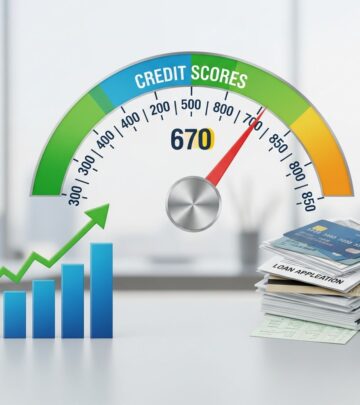
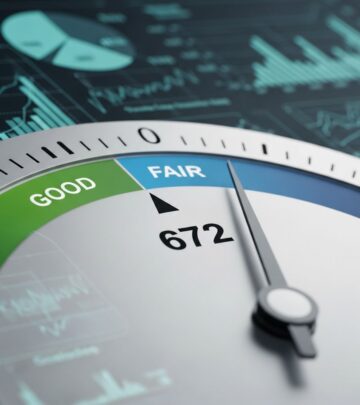
A 671 credit score falls within the good credit range, which typically spans from 670 to 739 on the FICO scale. This places you above the fair range (580 to 669) and significantly above the poor range (579 and below), but below the very good (740 to 799) and exceptional (800 and above) categories. The average American consumer has a FICO score of 714, which means your 671 score is slightly below the national average but still represents responsible credit behavior.
One important consideration is that your 671 score sits on the lower end of the good spectrum. This positioning means you’re in a vulnerable place where a few missed payments or other negative credit events could push you into the fair range, which comes with more restrictive lending conditions and higher interest rates. At the same time, you’re not far from achieving a very good score, which would substantially improve your borrowing prospects.
What Lenders Think About Your 671 Credit Score
When you apply for credit with a 671 score, lenders view you as a relatively low-risk borrower. Most major lenders are willing to extend credit to individuals in the good range, as statistical data shows default rates for consumers with scores between 660 and 679 are approximately 4.6%, compared to only 1.9% for those with scores between 720 and 739. However, lenders recognize that borrowers in your range often have some credit challenges in their history.
These challenges might include:
- Late payments on existing accounts (appearing on approximately 65% of credit reports for people with 671 scores)
- Limited credit history or newly established credit accounts
- Previous loan defaults or charge-offs from several years ago
- Higher credit utilization rates
Because of these factors, lenders consider borrowers with 671 scores as acceptable but may not offer their most competitive rates or premium product features. You’ll have access to credit, but you may need to work harder to qualify for the best deals available in the market.
Credit Cards: What You Can Expect With a 671 Score
A 671 credit score will generally qualify you for credit card approval from most mainstream issuers. However, your options may be limited compared to those with higher scores. You’re unlikely to qualify for premium rewards cards that offer substantial cash back percentages, valuable airline miles, or luxury travel benefits. These elite cards typically require very good or exceptional credit scores.
Instead, you can expect:
- Approval for standard credit cards with modest rewards programs
- Credit limits that are reasonable but may be lower than those offered to higher-credit-score applicants
- Interest rates (APRs) that are above the promotional offers available to excellent-credit borrowers
- Limited access to 0% introductory APR offers on balance transfers or purchases
The good news is that building your credit score into the very good range could significantly improve your credit card options and potentially save you hundreds of dollars annually in reduced interest charges.
Auto Loans and Your 671 Credit Score
Getting approved for an auto loan with a 671 credit score is absolutely achievable, assuming your income and employment situation support the loan amount. However, your credit score will have a considerable impact on the interest rate you receive. This is particularly important because the difference in interest rates across credit score ranges can result in substantial financial differences over the life of the loan.
To illustrate the impact: On a $40,000 new car loan, a borrower with a 730 credit score could pay approximately $4,000 less in total interest than a borrower with a 680 score, even though both scores are in the good credit category. This demonstrates that moving from the lower end of the good range to the higher end can produce real savings.
When shopping for an auto loan with a 671 score:
- Get multiple quotes from different lenders
- Compare not just interest rates but total loan costs
- Consider making a larger down payment to reduce the loan amount and demonstrate stronger financial commitment
- Review your credit report for errors that might be artificially lowering your score
Mortgages: Homeownership With a 671 Score
A 671 credit score puts you in a strong position to qualify for a mortgage. Conforming mortgages (conventional loans meeting Fannie Mae or Freddie Mac standards) require a minimum score of 620, while FHA mortgages with low down payments require only 580. Your 671 score comfortably exceeds both thresholds, meaning you should encounter few obstacles during the approval process, provided your income and asset documentation are in order.
However, similar to auto lending, your credit score significantly impacts the interest rate you’ll receive on your mortgage. Lenders typically reserve their absolute lowest rates for borrowers with very good or exceptional credit. With a 671 score, you should qualify for rates that are in line with national averages, but you won’t access the premium rates available to higher-score borrowers. On a 30-year mortgage, even a difference of 0.5% in the interest rate can result in tens of thousands of dollars in additional interest paid over the life of the loan.
Personal Loans and Alternative Lending
Personal loan approval with a 671 credit score varies depending on the lender. Traditional banks and credit unions may require scores well into the 700s, while online lenders and fintech platforms often work with borrowers in the good range. Some lenders specifically design their products for borrowers with fair to good credit, considering factors beyond the traditional credit score when making approval decisions.
If you’re seeking a personal loan, you may find competitive terms depending on the lender you select. Exploring multiple lenders and comparing their offers will help you identify the best option for your situation.
Practical Steps to Build Your Score From 671
While a 671 score is respectable, improving it can unlock substantially better financial opportunities. Here are evidence-based strategies to elevate your score:
Address Payment History
Payment history is the most significant factor in credit score calculations. Since 65% of borrowers with 671 scores have late payments on their credit reports, prioritizing on-time payments is critical. Set up automatic payments for at least the minimum due on all accounts, and aim to pay balances in full whenever possible.
Reduce Credit Utilization
Credit utilization—the percentage of available credit you’re using—significantly impacts your score. Aim to keep utilization below 30% of your total available credit limits. If you have a $10,000 credit limit, try to maintain a balance below $3,000. Paying down existing balances can produce immediate score improvements.
Build Credit History Length
Older accounts with positive payment histories strengthen your profile. Keep accounts open and active, even if you’re not using them frequently. Closing old accounts can actually harm your score by reducing your average account age.
Diversify Your Credit Mix
Having different types of credit—such as credit cards, installment loans, and mortgages—demonstrates your ability to manage various credit products responsibly. However, only pursue new credit when you genuinely need it, as hard inquiries temporarily lower your score.
Monitor Your Credit Report
Errors on your credit report can artificially suppress your score. Obtain your free annual credit report and check for inaccuracies. Dispute any errors you find with the reporting agencies.
The Path to Very Good Credit
The gap between a 671 score and the very good range (740 to 799) represents significant potential. Reaching this tier typically requires six months to two years of consistent positive credit behavior, depending on your starting point and current credit challenges. Once you achieve a very good score, you’ll access substantially better interest rates, higher credit limits, premium credit card offers, and more favorable loan terms across all product categories.
The financial benefits of this improvement are substantial. Over the life of loans and credit obligations, reaching the very good range could save you thousands of dollars in interest charges.
Understanding Credit Score Variability
It’s worth noting that different credit scoring models may rate you slightly differently. While FICO is the most widely used model by lenders, VantageScore and other models exist. A 671 score is considered good across both major models, though the exact thresholds may vary slightly. When monitoring your progress, focus on the FICO score since it’s most commonly used in lending decisions.
Frequently Asked Questions About 671 Credit Scores
Is 671 a good credit score?
Yes, 671 is considered a good credit score. It demonstrates responsible credit management and qualifies you for various types of credit, though not at the most favorable rates available.
How long does it take to improve from 671 to 740?
The timeline varies based on your specific credit situation, but most people can achieve this improvement within 6 to 24 months of consistent positive credit behavior.
Will I be denied for credit with a 671 score?
Unlikely. While some premium products require higher scores, most mainstream lenders will approve applicants with 671 scores, assuming income and employment factors support the loan.
Why is my 671 score holding me back?
Your score sits at the lower end of the good range, which means lenders may view you with slightly more caution. Additionally, you’re 69 points below the very good range, where significantly better rates begin to appear.
What’s the fastest way to improve my score?
Reducing credit card balances produces the quickest improvements. Since credit utilization is a major factor, paying down existing debt can boost your score within one or two billing cycles.
References
- 671 Credit Score: Is it Good or Bad? — Experian. 2024. https://www.experian.com/blogs/ask-experian/credit-education/score-basics/671-credit-score/
- Is 671 a good credit score? — Lexington Law. 2024. https://www.lexingtonlaw.com/education/score/671
- 671 Credit Score: What You Need to Know — Upstart. 2024. https://www.upstart.com/credit-score/671-credit-score
- 671 Credit Score: A Guide to Credit Scores — Chase Bank. 2024. https://www.chase.com/personal/credit-cards/education/credit-score/671-credit-score
- What Is a Good Credit Score? — Capital One. 2024. https://www.capitalone.com/learn-grow/money-management/what-is-a-good-credit-score/
Similar Articles








Read full bio of Sneha Tete