Understanding 30-Year Fixed-Rate Mortgages
Complete guide to 30-year fixed mortgages: benefits, drawbacks, and suitability.
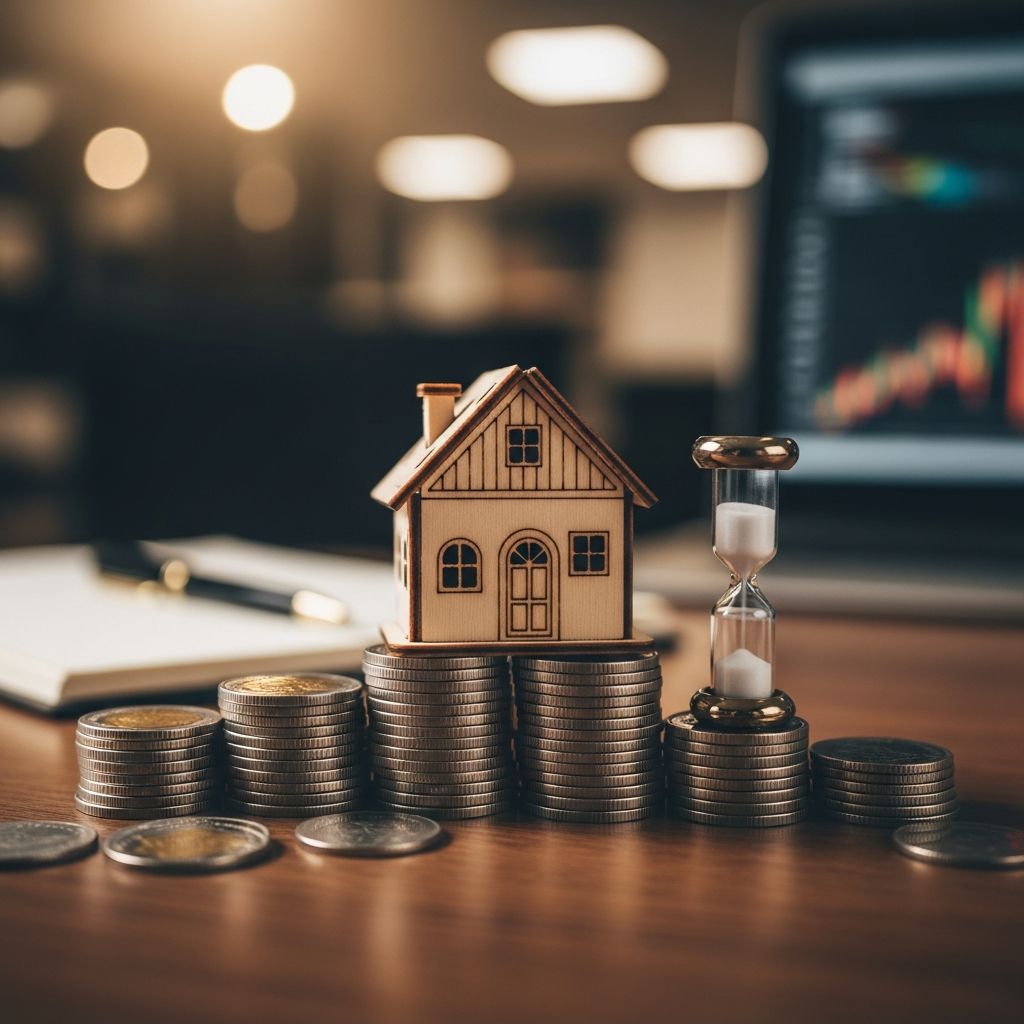
A 30-year fixed-rate mortgage represents one of the most common pathways to homeownership in today’s real estate market. This type of home loan allows borrowers to spread the cost of purchasing a property across three decades, with the interest rate locked in from day one. Over the life of the loan, the borrower makes 360 monthly payments—one for each month over the 30-year period—with the principal and interest portion remaining constant throughout the repayment timeline.
The Mechanics Behind 30-Year Fixed-Rate Mortgages
Understanding how a 30-year fixed-rate mortgage functions is essential for any prospective homebuyer. When you sign the loan documents, you commit to repaying the borrowed amount plus a predetermined amount of interest over the next 30 years. The interest rate established at the time of closing remains unchanged for the entire duration of the loan, regardless of what happens in the broader lending market.
Your monthly mortgage payment consists of two primary components: principal and interest. The principal is the actual amount borrowed to purchase the home, while the interest is the lender’s charge for providing that money. Early in the loan term, a larger portion of your payment goes toward interest, with a smaller portion reducing your principal balance. As years pass, this ratio gradually shifts, with more of each payment applied to the principal balance. Lenders provide an amortization schedule that breaks down exactly how much of each payment addresses principal versus interest throughout the loan’s duration.
It’s important to recognize that while your principal and interest payment remains constant, your overall monthly housing expense may fluctuate slightly due to changes in property taxes and homeowners insurance premiums. These components, often escrowed and included in your mortgage payment, can increase or decrease based on local assessments and insurance market conditions.
Key Advantages of the 30-Year Mortgage Structure
Significantly Lower Monthly Payments
One of the most compelling reasons borrowers choose 30-year mortgages is the substantially reduced monthly payment compared to shorter-term loans. By stretching the repayment period to three decades, the same loan amount results in considerably smaller monthly obligations. For example, a $300,000 mortgage spread over 30 years produces a much lower payment than the same amount borrowed over 15 years. This affordability factor makes homeownership accessible to borrowers who might otherwise struggle to qualify for loans with shorter terms.
The reduction in monthly payments creates breathing room in household budgets, allowing families to allocate funds toward other essential expenses or financial priorities without overextending themselves.
Enhanced Purchasing Power
Because monthly payments are lower with a 30-year term, borrowers can often qualify for larger loan amounts. Lenders typically calculate a borrower’s debt-to-income (DTI) ratio to determine how much they can borrow. A lower monthly mortgage payment keeps this ratio more favorable, potentially enabling you to purchase a more expensive home than would be possible with a shorter-term mortgage.
For buyers in high-cost housing markets, this expanded purchasing power can mean the difference between buying a home that meets their family’s needs and settling for a less suitable property due to budget constraints.
Predictability and Budgeting Stability
Fixed-rate mortgages eliminate uncertainty regarding your monthly payment obligations. Unlike adjustable-rate mortgages (ARMs) where interest rates fluctuate with market conditions, a fixed-rate mortgage guarantees that your principal and interest payment will remain identical throughout the loan’s entire 30-year term. This consistency enables households to engage in long-term financial planning with confidence, knowing exactly what their housing costs will be each month.
This predictability extends beyond simple budgeting. Homeowners can calculate the total cost of their loan upfront, before committing to the mortgage, providing complete transparency about their total financial obligation over the three decades of repayment.
Protection Against Rising Interest Rates
Market interest rates fluctuate based on economic conditions, inflation, and central bank policies. When you lock in a fixed rate, you protect yourself from future rate increases. If market rates climb significantly over the coming years, your mortgage rate remains stable. This protection can save thousands of dollars over the loan’s lifetime if interest rates rise substantially.
Payment Flexibility and Acceleration Options
While your scheduled monthly payment remains constant, many 30-year mortgages offer flexibility to pay additional amounts toward principal without penalty. If your budget permits, you might contribute extra payments in months when cash flow is positive, gradually reducing the loan balance and shortening the overall repayment timeline. Conversely, if your financial situation tightens, you can simply make the required payment without supplemental contributions. This flexibility allows borrowers to customize their repayment strategy based on their current circumstances.
Favorable Tax Implications
Homeowners with 30-year mortgages may benefit from tax deductions on the interest paid throughout the loan term. The mortgage interest deduction, available to eligible borrowers, can provide meaningful tax savings over the life of the loan, reducing the effective cost of homeownership.
Important Considerations and Drawbacks
Substantially Higher Total Interest Costs
The primary disadvantage of a 30-year mortgage is the significantly higher total amount of interest paid compared to shorter-term loans. While the monthly payment is lower, the extended repayment period means you’re paying interest for a much longer duration. A borrower financing $300,000 over 30 years at 6% interest will pay considerably more in total interest than someone financing the same amount over 15 years, even though the monthly payment is substantially lower.
This higher total cost represents the trade-off borrowers make in exchange for lower monthly payments and improved cash flow. For some households, this trade-off makes financial sense; for others, paying more interest overall may not align with their long-term financial goals.
Slower Equity Accumulation in Early Years
Because much of your early payments go toward interest rather than principal, the equity you build in your home during the first decade progresses more slowly with a 30-year mortgage compared to a 15-year alternative. Building home equity—the portion of the property you own outright—typically becomes a more significant concern later in the mortgage term.
Extended Debt Obligation
With a 30-year mortgage, you remain obligated to the lender for three full decades. If your goal is to achieve debt-free homeownership as quickly as possible, a longer-term mortgage extends this timeline substantially compared to shorter-term options.
Comparative Analysis: 30-Year Versus Alternative Mortgage Terms
| Feature | 30-Year Mortgage | 20-Year Mortgage | 15-Year Mortgage |
|---|---|---|---|
| Monthly Payment | Lowest of the three | Moderate | Highest of the three |
| Total Interest Paid | Highest of the three | Moderate | Lowest of the three |
| Time to Full Ownership | 30 years | 20 years | 15 years |
| Debt-to-Income Ratio Impact | Most favorable | Moderate | Least favorable |
| Purchasing Power | Highest borrowing capacity | Moderate | Lower borrowing capacity |
| Early Equity Building | Slow | Moderate | Faster |
Who Should Consider a 30-Year Fixed-Rate Mortgage?
A 30-year fixed-rate mortgage may represent an excellent choice for borrowers with specific circumstances and financial objectives:
- First-time homebuyers who prioritize affordability and want to minimize monthly payment obligations while establishing homeownership
- Families with moderate incomes who need to manage cash flow carefully and cannot comfortably afford higher monthly payments
- Buyers planning to stay long-term who intend to occupy the home for many years and want predictable housing costs
- Those seeking maximum purchasing power who want to buy homes in competitive or expensive markets and need the expanded borrowing capacity
- Individuals prioritizing financial flexibility who want to direct available funds toward other goals like retirement savings, education funding, or debt reduction
- Borrowers with lower DTI thresholds who cannot qualify for shorter-term mortgages due to income constraints
Evaluating Whether This Mortgage Type Suits Your Situation
Determining whether a 30-year fixed-rate mortgage aligns with your financial picture requires honest assessment of several factors. Consider your long-term housing plans—if you anticipate moving or refinancing within 10-15 years, the extended term may be less relevant. Evaluate your income stability and whether you expect significant changes to your earnings or expenses in coming years. Assess your broader financial goals, including retirement planning, education savings, and debt management, to understand whether lower monthly payments enable you to prioritize these objectives.
Additionally, examine your tolerance for debt obligation and your preferences regarding equity building. Some borrowers find psychological satisfaction in owning their homes free and clear within a shorter timeframe, while others prefer the cash flow flexibility that lower payments provide.
Common Questions About 30-Year Fixed-Rate Mortgages
Can I pay off a 30-year mortgage faster?
Yes. Most 30-year mortgages permit additional principal payments without penalty. You could make bi-weekly payments, add lump sums when possible, or increase your monthly payment. These strategies accelerate equity building and reduce total interest paid.
How does the interest rate get set for a 30-year mortgage?
Your interest rate depends on several factors including current market conditions, your credit score, down payment amount, property location, and loan-to-value ratio. Shopping with multiple lenders helps you secure competitive rates.
What happens if I cannot make a monthly payment?
Contact your lender immediately if you anticipate payment difficulties. Lenders often offer options including loan modification, forbearance, or refinancing. Addressing issues proactively helps protect your home and credit.
Is the 30-year mortgage the most popular option?
Yes. The 30-year fixed-rate mortgage remains the most commonly selected option among homebuyers due to its balance of affordability, predictability, and flexibility.
The Role of 30-Year Mortgages in Home Ownership
The 30-year fixed-rate mortgage has become a cornerstone of American homeownership because it addresses the fundamental challenge facing many borrowers: balancing the desire to own a home with the financial constraints of monthly budgets. By spreading payments across three decades, this mortgage structure opens homeownership to millions of families who would otherwise find it economically infeasible.
The stability provided by fixed rates eliminates a major source of financial anxiety for homeowners, allowing families to plan with confidence despite broader economic uncertainties. For borrowers whose priorities include cash flow flexibility, purchasing power in competitive markets, or budget predictability, the 30-year fixed-rate mortgage often represents the optimal choice among available options.
However, this mortgage structure is not universally appropriate. Borrowers with shorter time horizons, strong preferences for debt elimination, or sufficient income to comfortably afford shorter-term payments may find alternative structures better suited to their circumstances. The decision ultimately reflects individual financial priorities, life plans, and economic situations.
References
- What is a 30-year fixed-rate mortgage? — Rocket Mortgage. https://www.rocketmortgage.com/learn/30-year-fixed-mortgage
- 30-Year Fixed Mortgage Rates Explained — Assurance Mortgage. https://assurancemortgage.com/everything-you-need-to-know-about-30-year-fixed-rate-mortgages/
- What Is a 30-Year Fixed Mortgage? — PNC Insights. https://www.pnc.com/insights/personal-finance/borrow/what-is-a-30-year-fixed-mortgage.html
- Pros and Cons of a 30-Year Fixed Rate Mortgage — Atlantic Bay Mortgage. https://www.atlanticbay.com/knowledge-center/pros-and-cons-of-a-30-year-fixed-rate-mortgage/
- What Is a 30-Year Fixed Mortgage? — Chase Bank. https://www.chase.com/personal/mortgage/education/financing-a-home/history-of-30-year-mortgage
- Compare 30-Year Mortgage Rates Today — Bankrate. https://www.bankrate.com/mortgages/30-year-mortgage-rates/
- 30-Year, Fixed Mortgage: Benefits and Requirements — Freedom Mortgage. https://www.freedommortgage.com/30-year-fixed
Similar Articles








Read full bio of medha deb