Uncovering Debts in Collections: Your Complete Guide
Discover practical steps to identify collection debts, verify legitimacy, protect your rights, and restore your financial health effectively.

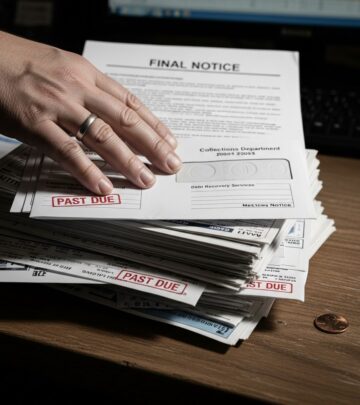
Debts in collections represent unpaid obligations transferred to third-party agencies for recovery, often appearing as negative marks on your credit history. Identifying these accounts promptly allows you to address them, potentially mitigating long-term damage to your financial profile.
Why Collections Appear on Your Financial Record
When payments lapse on loans, credit cards, medical bills, or utilities, creditors may sell or assign the debt to collection agencies after 90-180 days of delinquency. These agencies then pursue repayment, and most report the activity to credit bureaus, impacting scores from major models like FICO and VantageScore.
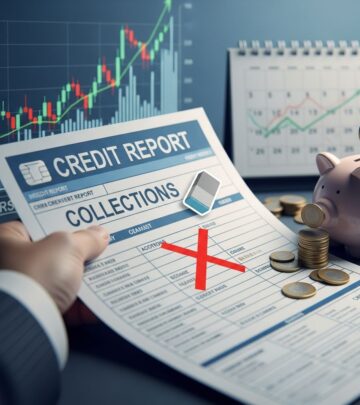
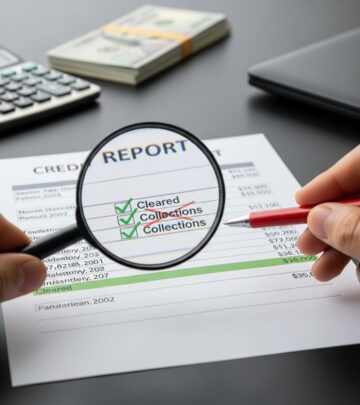
Collection entries typically show under the accounts section of credit reports, marked with status codes like ‘charged off’ or ‘in collections.’ Their presence can reduce scores by 100 points or more, though recent models weigh paid collections less severely.
Primary Methods to Detect Collection Accounts
The most reliable starting point is obtaining your credit reports from Experian, Equifax, and TransUnion, as not all agencies report to every bureau.
- Free Access Points: Use AnnualCreditReport.com for weekly reports from all three bureaus, authorized by federal law.
- Monitoring Services: Sign up for free tools from bureaus to track changes in real-time.
- Paid Options: Comprehensive monitoring subscriptions provide alerts for new collections.
Review the ‘public records’ and ‘accounts’ sections for entries listing the original creditor, balance, status, and agency details.
Steps if Collections Are Missing from Reports
Not all debts reach credit reports; some agencies delay reporting or skip it entirely. Alternative detection methods include:
- Mail and Email Review: Scan for notices from collectors, which must include debt details under the Fair Debt Collection Practices Act (FDCPA).
- Bank and Card Statements: Look for unfamiliar deductions or past payments to unknown entities.
- Original Creditor Contact: Call providers like utilities or lenders to inquire about transferred debts.
| Method | Pros | Cons |
|---|---|---|
| Credit Reports | Comprehensive, free, official | May miss unreported debts |
| Personal Records | Quick access | Incomplete history |
| Creditor Calls | Direct confirmation | Time-consuming |
Verifying the Legitimacy of Collection Notices
Upon contact from a collector—via call, letter, email, or message—demand written validation within 30 days. This must detail the amount, creditor, and your dispute rights.
Cross-check against reports and records:
- Confirm the debt matches your history.
- Check statute of limitations (3-10 years by state) for legal enforceability.
- Research the agency via BBB or state registries to avoid scams.
Under FDCPA, collectors cannot harass, lie, or contact you at unreasonable times. Report violations to the Consumer Financial Protection Bureau (CFPB).
Options for Resolving Collection Debts
Once verified, consider these paths:
- Negotiation: Offer lump-sum settlements for 30-50% less, getting agreements in writing.
- Payment Plans: Arrange affordable installments, requesting ‘pay for delete’ where possible (though not guaranteed).
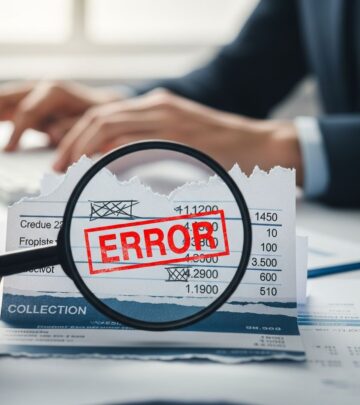
- Dispute Errors: File online with bureaus if inaccurate; they investigate within 30 days.
- Goodwill Requests: Ask original creditors to recall the debt.
Paying updates the status to ‘paid collection,’ lessening score impact in newer models.
Protecting Yourself from Collections Fraud
Scammers pose as collectors, demanding immediate payment via gift cards or wire. Red flags include:
- Unsolicited demands without validation.
- Threats of arrest (illegal under FDCPA).
- Requests for untraceable payments.
Never share sensitive info over unsolicited calls; hang up and verify independently.
Long-Term Strategies to Rebuild After Collections
Post-resolution, focus on recovery:
- Boost Positive History: Use tools like Experian Boost for on-time utility/rent payments.
- Secure New Credit: Opt for secured cards to build history.
- Counseling: Nonprofits like NFCC offer free debt management plans.
- Budgeting: Track expenses to prevent recurrence.
Collections drop off reports after 7 years from delinquency date, but proactive steps accelerate improvement.
Frequently Asked Questions
How often can I check my credit reports for free?
You can access weekly reports from each bureau via AnnualCreditReport.com.
Does paying a collection remove it from my report?
No, it updates to ‘paid’ but remains for 7 years; however, it hurts scores less.
What if I dispute a debt and win?
The entry is deleted, potentially raising your score significantly.
Can collectors contact my employer?
Only to verify location, not disclose the debt.
Are medical debts treated differently?
They wait 1 year to report and are removed faster in some models.
Key Takeaways for Managing Collections
Regular monitoring, swift verification, and informed negotiation empower you to handle collections effectively. Stay vigilant to protect your financial future.
References
- How Do I Know if I Have Debt in Collections? — Experian. 2023. https://www.experian.com/blogs/ask-experian/how-to-find-out-what-you-have-in-collections/
- How To Find Out Which Collection Agency You Owe — Upsolve. 2026-01-21. https://upsolve.org/learn/find-out-which-collection-agency-you-owe/
- How to Find Out All My Debts — Debt.org. N/A. https://www.debt.org/advice/how-to-find-all-your-debt/
- Annual Credit Report.com — AnnualCreditReport.com. N/A. https://www.annualcreditreport.com/index.action
- Debt collection — Consumer Financial Protection Bureau. N/A. https://www.consumerfinance.gov/consumer-tools/debt-collection/
- Learn about your credit report and how to get a copy — USA.gov. N/A. https://www.usa.gov/credit-reports
- Debt Collection FAQs — Federal Trade Commission. N/A. https://consumer.ftc.gov/articles/debt-collection-faqs
Similar Articles








Read full bio of medha deb