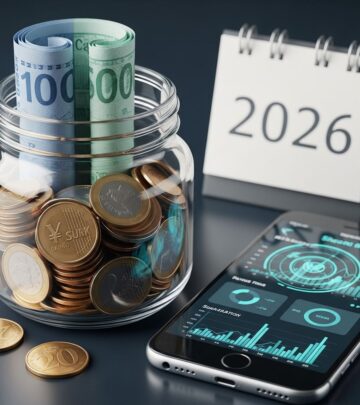
Unconventional Savings Strategies: Tech-Backed Tactics
Discover creative and offbeat ways to boost your savings and achieve financial goals faster than traditional methods.

Building wealth doesn’t always require drastic lifestyle changes or complex investment schemes. Sometimes, the most effective approaches come from rethinking everyday habits in fresh ways. This guide dives into creative, under-the-radar tactics to help you save more without feeling deprived. Drawing from proven financial principles, these strategies emphasize psychology, technology, and small pivots that yield big results.
Reframe Your Money Mindset for Effortless Saving
The foundation of any strong savings plan starts in your head. Traditional advice focuses on cutting expenses, but unconventional wisdom suggests treating savings like a non-negotiable bill. Imagine paying yourself first not as a chore, but as investing in your future self. This shift turns saving into a rewarding game rather than a sacrifice.
One powerful technique is the “future self” visualization. Picture the version of you who benefits from today’s discipline—vacationing debt-free or retiring comfortably. Studies show this mental exercise increases saving rates by up to 30% because it bridges the gap between abstract goals and immediate actions. Pair it with daily affirmations like “Every dollar saved is a step toward freedom,” recited during morning routines.
- Gratitude journaling for finances: End each day noting three things you’re thankful for financially, no matter how small. This curbs impulse buys by fostering contentment.
- Reverse budgeting: Instead of allocating income to categories, set savings first, then divide the rest. This ensures savings always win.
These mindset hacks build resilience against spending temptations, creating a psychological moat around your accounts.
Leverage Tech for Invisible Savings Growth
Technology in 2026 offers tools that save money on autopilot, often in ways you won’t notice until reviewing statements. High-yield savings accounts from online banks like Ally or Discover provide rates far above traditional ones, compounding small deposits rapidly.
A standout tactic is “micro-saving apps” that round up purchases to the nearest dollar and transfer the change to savings. Over a year, coffee runs and grocery trips can accumulate thousands without effort. Combine this with AI-driven budgeting apps like YNAB or Monarch Money, which analyze patterns and suggest personalized cuts, such as swapping streaming services for bundled deals.
| App/Tool | Unconventional Feature | Potential Annual Savings |
|---|---|---|
| Round-up Apps (e.g., Acorns) | Invests spare change automatically | $300–$1,000 |
| AI Budget Trackers | Predicts overspending alerts | $500+ |
| High-Yield Accounts | 4–5% APY on idle cash | $200–$800 |
Pro tip: Enable bank alerts for low balances or unusual transactions to catch leaks early. Automation removes human error, turning savings into a set-it-and-forget-it system.
Turn Household Routines into Savings Machines
Your home is a goldmine for unconventional cuts. Beyond obvious energy savers like LED bulbs, consider “phantom power hunts.” Unplug devices that draw electricity when off—gaming consoles, chargers—to slash utility bills by 10–15%.
Meal prepping with a twist: Adopt the “no-spend cooking challenge,” using only pantry staples for a week. This reveals waste and hones creativity, potentially saving $50–100 monthly on groceries. For entertainment, host “potluck nights” with friends instead of dining out, dividing costs while building community.
- Negotiate bills quarterly: Call providers for internet, insurance, or phone—many offer unadvertised discounts to retain customers.
- DIY home spa days: Skip salon visits with at-home kits, saving $200+ yearly.
- Clothing swaps: Trade with locals via apps or groups to refresh wardrobes free.
These routines embed savings into daily life, making frugality feel fun and sustainable.
Master the Art of Goal Segregation
Treating all savings as one lump sum invites misuse. Unconventional savers use multiple accounts tailored to purposes: one for emergencies (3–6 months expenses), another for fun goals like trips, and a third for long-term dreams.
Label accounts psychologically—”Dream Fund” or “Freedom Vault”—to evoke emotion and deter raids. Use visual trackers like progress thermometers in apps to gamify growth. For windfalls like bonuses, apply the 50/30/20 rule: 50% to essentials/debt, 30% to savings silos, 20% to treats.
This segregation enforces discipline, with FDIC-insured accounts ensuring safety up to $250,000 per depositor.
Debt Demolition with a Creative Edge
High-interest debt erodes savings potential. An unconventional attack: The “debt snowball plus interest avalanche.” List debts smallest to largest, pay minimums on all but aggressively tackle the tiniest first for momentum, while prioritizing high-APR ones mathematically.
Side hustles with savings mandates—dedicate 100% of gig earnings (e.g., ridesharing, freelancing) to debt until cleared. This creates a snowball effect where freed payments fuel savings. Track via apps showing interest saved, often $1,000s annually.
Seasonal and Lifestyle Hacks for Maximum Impact
Align savings with calendar rhythms. Pre-save for holidays by setting aside $20 weekly from now, avoiding December credit card spirals. Off-season purchases—like winter gear in summer—net 30–50% discounts.
Sustainable swaps pay dividends: Energy-efficient appliances qualify for federal tax credits via Energy Star programs, recouping costs quickly. Community solar subscriptions cut bills without panels. For travel, use points hacking: Everyday spending on rewards cards, redeemed strategically, funds free flights.
FAQs
How much should I aim to save in an emergency fund?
Financial experts recommend 3–6 months of living expenses in a liquid, high-yield account to cover surprises like repairs or job loss.
What’s the best way to start automating savings?
Set up recurring transfers from checking to savings right after payday, starting small ($25–50) and increasing as habits form.
Can small daily changes really add up?
Yes—skipping one $5 coffee daily saves $1,825 yearly, enough for significant goals when invested.
Are high-yield savings accounts safe?
Choose FDIC-insured ones for protection up to $250,000; rates around 4–5% APY beat inflation.
How do I stay motivated long-term?
Celebrate milestones with non-spending rewards like free hikes, review quarterly, and visualize progress.
Building Lasting Habits
Savings thrive on consistency. Quarterly reviews adjust for life changes—income bumps or expenses. Visual charts or apps keep momentum. Remember, perfection isn’t required; progress compounds.
References
- Tips for Saving Money in 2026 — Northwoods Credit Union. 2026. https://www.northwoodscu.org/tips-for-saving-money-in-2026/
- How to Save Money in 2026 — North American Savings Bank. 2026. https://www.nasb.com/blog/detail/how-to-save-money-in-2026
- 10 Ways to Maximize Your Savings in 2026 — SouthStar Bank. 2026. https://southstarbank.com/10-ways-to-maximize-your-savings-in-2026/
- How to Save Money: 28 Ways — NerdWallet. 2026. https://www.nerdwallet.com/finance/learn/how-to-save-money
- 10 Money Savings Challenges for 2026 — Fidelity Investments. 2026. https://www.fidelity.com/learning-center/smart-money/money-savings-challenges
Similar Articles








Read full bio of medha deb