Unauthorized Credit Checks: Your Legal Rights
Discover who can legally access your credit report without permission and how to protect yourself from illegal inquiries under FCRA rules.

Your credit report holds sensitive details about your financial life, from payment history to outstanding debts. Accessing it without proper authorization violates federal law, specifically the Fair Credit Reporting Act (FCRA). This legislation sets strict rules on who can pull your credit and under what conditions, balancing consumer privacy with legitimate business needs.
Understanding Credit Inquiries and Their Impact
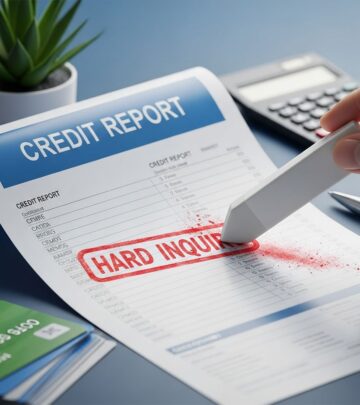
Credit inquiries appear on your report when someone accesses it. There are two main types: hard inquiries and soft inquiries. Hard inquiries occur when you apply for credit, like a loan or apartment rental, and can temporarily lower your credit score. Soft inquiries, such as those for preapproved offers, do not affect your score.
Both types require a permissible purpose under the FCRA. Without it, the access is unauthorized, potentially leading to legal consequences for the offender. Regularly monitoring your credit reports helps you spot suspicious activity early.
What Qualifies as a Permissible Purpose?
The FCRA defines specific scenarios where entities can legally review your credit report. These permissible purposes ensure that access is tied to legitimate financial transactions or obligations.
- Application-based checks: When you apply for credit, employment, or housing, the recipient can check your credit with your consent.
- Account review: Existing creditors may review your report to assess ongoing risk without new permission.
- Insurance evaluations: Insurers can pull reports for underwriting if you request coverage.
- Government needs: Agencies handling child support or court-ordered matters have access rights.
These rules prevent random or abusive access while allowing necessary evaluations.
When Consent Isn’t Required for Credit Access
Not every credit check demands your explicit written permission. Certain situations allow access to protect public interests or manage existing relationships.
| Situation | Description | Inquiry Type |
|---|---|---|
| Pre-screened offers | Lenders target potential customers based on credit criteria; opt out to stop this. | Soft |
| Court orders | Subpoenas or judgments compel credit bureaus to release reports. | Hard or Soft |
| Debt collection | Collectors verify debts owed. | Hard |
| Child support enforcement | State agencies locate obligors. | Hard |
Pre-screened offers are common for marketing credit cards or loans. You can opt out via OptOutPrescreen.com, a service endorsed by credit bureaus, to block these soft pulls nationwide for five years or permanently by mail.
Illegal Credit Pulls: Common Violators and Red Flags
Despite clear laws, violations happen frequently. Landlords demanding credit checks without rental applications, employers screening without job offers, or insurers pulling reports unsolicited often cross the line.
Red flags include inquiries from unknown companies or multiple pulls without your actions. In states like California, even without proven harm, you can pursue claims. Nationally, the FCRA mandates a valid purpose for every access.
Consequences for Unauthorized Access
Violators face serious penalties. Consumers can seek actual damages for harm like score drops or denied opportunities. Statutory damages range from $100 to $1,000 per violation, no harm proof needed. Willful breaches invite punitive damages and attorney fees coverage.
The statute of limitations is two years from discovery or five years from the violation, whichever comes first. Both the puller and credit bureau can be liable.
Steps to Take After Discovering an Unauthorized Inquiry
- Document everything: Screenshot the inquiry from your credit report, noting dates and entities.
- Contact the offender: Demand a written explanation for the pull.
- Dispute with bureaus: File disputes with Equifax, Experian, and TransUnion via their sites or AnnualCreditReport.com.
- Report to regulators: Submit complaints to the CFPB at consumerfinance.gov and FTC at reportfraud.ftc.gov.
- Consult a professional: An attorney specializing in FCRA can evaluate lawsuit potential.
Act swiftly—delays can weaken your case. Free weekly credit reports are available from AnnualCreditReport.com.
Protecting Your Credit Privacy Proactively
Prevention is key. Freeze your credit file at each bureau to block most access, ideal before job searches or big applications. Use credit monitoring services for alerts on new inquiries.
Review reports annually or more if concerned. Understand your rights under the FCRA, including free disclosures and dispute resolutions.
State Variations and Enhanced Protections
Federal law sets the baseline, but states add layers. California requires explicit consent in more cases and awards damages without harm proof. Check your state’s attorney general site for local rules.
FAQs on Credit Check Permissions
Q: Can a potential employer check my credit without permission?
A: No, written consent is required for employment purposes under FCRA.
Q: Do soft inquiries hurt my score?
A: No, they don’t impact scores but still need permissible purposes.
Q: How do I opt out of prescreened offers?
A: Visit OptOutPrescreen.com or call 1-888-5-OPTOUT.
Q: What if a debt collector pulls my credit?
A: Permissible if verifying a legitimate debt; otherwise, challenge it.
Q: Can I sue for an unauthorized check?
A: Yes, within the statute of limitations, potentially recovering damages and fees.
Your Rights Under the Fair Credit Reporting Act
The FCRA, enforced by the FTC and CFPB, ensures accuracy, fairness, and privacy in credit reporting. Key rights include free annual reports, dispute mechanisms, and adverse action notices.
Stay vigilant—your financial privacy depends on knowing these protections. By monitoring reports and acting on violations, you safeguard your credit health.
References
- Unauthorized Credit Checks Aren’t Just Annoying—They’re Illegal — R23 Law. 2023. https://www.r23law.com/articles/unauthorized-credit-checks-arent-just-annoying-theyre-illegal
- Can anyone check my credit without permission? — Bankrate. 2024-05-15. https://www.bankrate.com/personal-finance/credit/check-credit-without-permission/
- Can Someone Run a Credit Check Without My Permission? — Experian. 2025-01-10. https://www.experian.com/blogs/ask-experian/can-someone-run-a-credit-check-without-my-permission/
- Fair Credit Reporting Act — Federal Trade Commission. 2024-08-20. https://www.ftc.gov/legal-library/browse/statutes/fair-credit-reporting-act
- A Summary of Your Rights Under the Fair Credit Reporting Act — Consumer Financial Protection Bureau. 2018-09. https://files.consumerfinance.gov/f/documents/bcfp_consumer-rights-summary_2018-09.pdf
- Fair Credit Reporting Act (Regulation V) — National Credit Union Administration. 2025-02-14. https://ncua.gov/regulation-supervision/manuals-guides/federal-consumer-financial-protection-guide/compliance-management/lending-regulations/fair-credit-reporting-act-regulation-v
Similar Articles








Read full bio of medha deb