Unauthorized Credit Card: Respond Now
Discover immediate actions to protect your finances when fraudsters open accounts using your identity without permission.
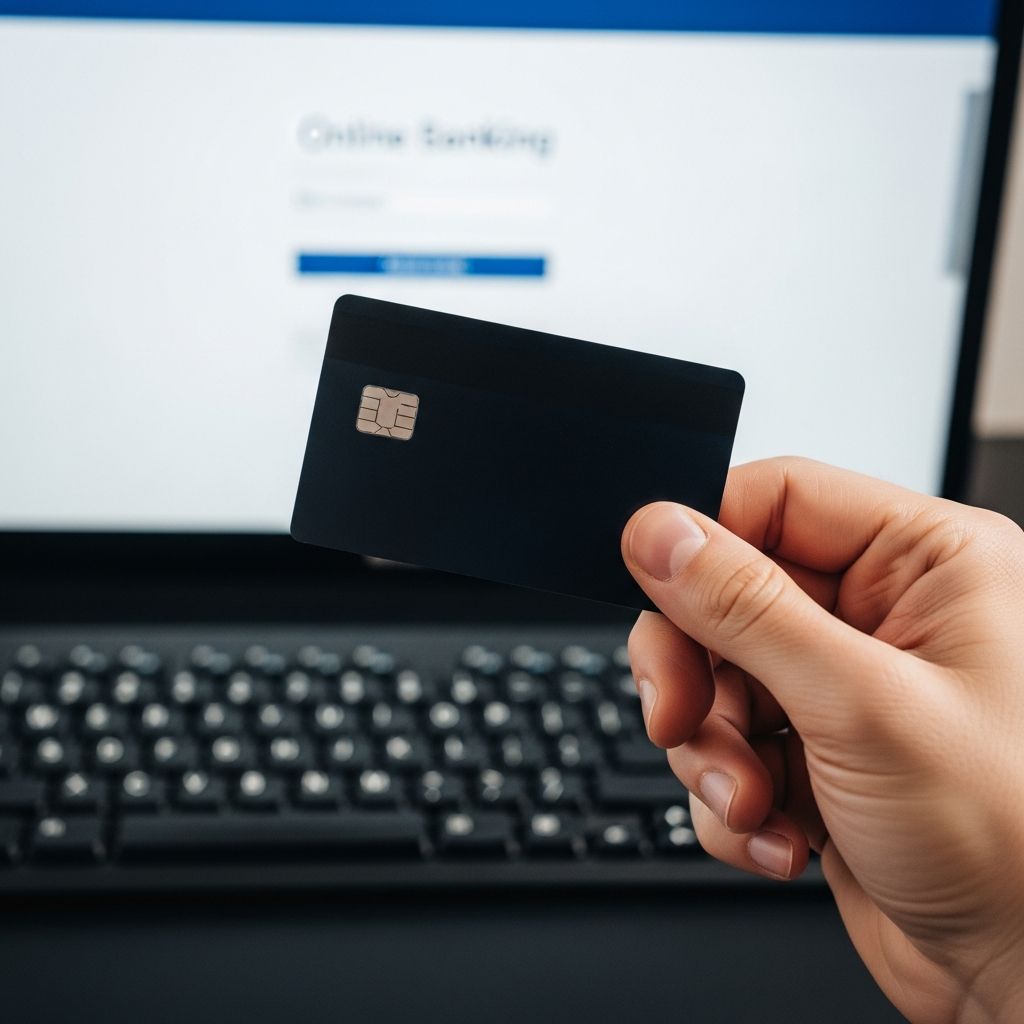
When you discover an unfamiliar credit card account linked to your name, swift action is critical to limit damage and restore your financial standing. This guide outlines a comprehensive response strategy, drawing from official recommendations to help you navigate the crisis effectively.
Recognizing the Signs of Credit Fraud
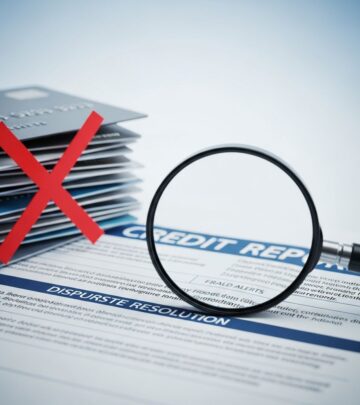
Credit fraud often starts subtly. You might notice unexpected inquiries on your credit report, denied credit applications due to sudden score drops, or mail about accounts you never opened. Regularly monitoring your credit reports from Equifax, Experian, and TransUnion reveals these red flags early.
Financial statements can also signal trouble: watch for missing bills, which thieves redirect, or small unauthorized charges designed to test the account. Setting up transaction alerts on bank and credit card apps ensures you spot anomalies quickly, as banks limit liability for prompt reports.
Immediate Protective Measures
Act fast upon suspicion. Begin by placing a credit freeze with all three major bureaus to block new account openings. This free service requires personal verification and provides a PIN for temporary lifts when legitimate needs arise.
- Contact Equifax, Experian, and TransUnion online or by phone.
- Provide identity details for verification.
- Secure the PIN safely for future use.
Next, initiate a fraud alert. Notify one bureau; it notifies the others. This mandates extra verification for credit applications in your name and lasts one year, extendable to seven for proven victims.
Reporting the Incident Officially
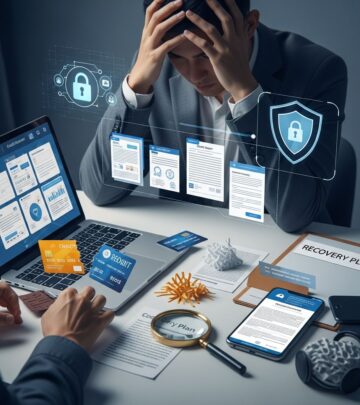
Documentation is key. File a report at IdentityTheft.gov, the FTC’s dedicated site, which generates a personalized recovery plan. This official record aids disputes and law enforcement.
Follow with a police report at your local station, detailing the fraud. Include credit reports, suspicious statements, and IdentityTheft.gov details. This creates a paper trail for creditors and insurers.
| Reporting Step | Why It Matters | Contact Method |
|---|---|---|
| FTC Report | Recovery plan and affidavit | IdentityTheft.gov |
| Police Report | Official record for disputes | Local precinct |
| Bureau Alerts | Prevents further fraud | Phone/Online |
Handling Affected Accounts
If the fraudulent card is active, contact the issuer immediately to dispute charges and request closure. Provide your fraud reports; federal law caps liability at $50 if reported promptly, often $0.
Review all accounts for compromise. Change passwords across platforms, using unique, complex combinations (8+ characters, mixed types). Employ a password manager for security.
Cancel unused accounts to shrink your exposure, as they appear on reports and tempt thieves. Opt out of pre-screened offers at 1-888-5-OPT-OUT or OptOutPrescreen.com to reduce mail theft risks.
Comprehensive Credit Monitoring
Obtain free weekly credit reports via AnnualCreditReport.com, scrutinizing for unauthorized activity. Enroll in credit monitoring services for real-time alerts on inquiries, new accounts, or dark web exposures.
Enhance device security with antivirus software, firewalls, and regular updates. Avoid phishing by verifying sites (HTTPS, padlock icon) before entering data. Shred sensitive documents to thwart dumpster diving.
Long-Term Prevention Blueprint
Build resilience post-incident. Limit carried cards and personal info. Guard your SSN; request alternatives from providers.
- Review statements weekly via apps.
- Monitor mail for delays.
- Use virtual cards for online buys.
- Enable two-factor authentication everywhere.
Businesses can adopt AI fraud detection for transaction anomalies. Individuals benefit from identity protection services scanning for SSN leaks or synthetic identities.
Legal Rights and Recovery Timeline
Under the Fair Credit Billing Act, dispute errors within 60 days. Bureaus must investigate within 30 days. Expect 100-300 hours for full resolution, per FTC estimates, but proactive steps shorten this.
Track progress with a dedicated folder for reports, correspondence, and resolutions. Persist with creditors until accounts are removed from your history.
FAQs
What if I spot fraud on my report?
Dispute online, by phone, or mail with supporting docs. Bureaus block info during investigation.
Is a credit freeze free?
Yes, for all, with no impact on your score.
How long does recovery take?
Varies; simple cases resolve in weeks, complex ones months.
Can I remove fraudulent info permanently?
Yes, via disputes; it shouldn’t reappear.
Should I close old accounts?
Yes, to minimize risks, after fraud alerts.
Advanced Safeguards for 2026
With rising synthetic ID fraud, biometric logins and AI monitoring grow vital. Stay abreast via FTC alerts. Teach family vigilance; kids’ clean credit attracts criminals.
(Word count: 1678)
References
- How to Prevent Identity Theft: Best Practices for Protection — MetLife. 2024-01-15. https://www.metlife.com/stories/identity-theft/how-to-prevent-identity-theft-best-practices-for-protection/
- Identity Theft – Protect Yourself — Mastercard. 2023-11-20. https://www.mastercard.com/securityandbasics/identitytheft/protectyourself/index.html
- Strategies for Preventing Identity Theft — CrowdStrike. 2025-02-10. https://www.crowdstrike.com/en-us/cybersecurity-101/identity-protection/identity-theft-prevention-strategies/
- Top 10 Tips for Identity Theft Protection — State of California Department of Justice. 2024-05-05. https://oag.ca.gov/idtheft/facts/top-ten
- Identity Theft and Online Security — Federal Trade Commission (FTC). 2025-09-12. https://consumer.ftc.gov/identity-theft-online-security
- Identity Theft Preventative Measures Checklist — Pennsylvania Office of Attorney General. 2024-03-22. https://www.attorneygeneral.gov/protect-yourself/identity-theft/identity-theft-preventative-measures-checklist/
- 10 Ways to Protect Yourself Against Identity Theft — United Bank. 2024-07-18. https://www.bankwithunited.com/learning/safety-security/10-ways-to-protect-yourself-against-identity-theft.html
- IdentityTheft.gov — Federal Trade Commission (FTC). 2026-01-01. https://www.identitytheft.gov
Similar Articles








Read full bio of Sneha Tete