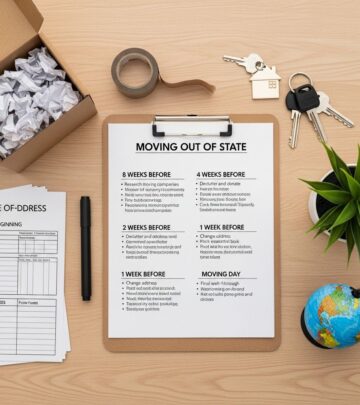
Ultimate Moving Guide: Step-By-Step Timeline For A Smooth Move
Master your relocation with our detailed timeline, expert tips, and step-by-step strategies for a seamless transition to your new home.

Relocating to a new home marks an exciting chapter, but without proper planning, it can quickly become overwhelming. This guide provides a structured approach, breaking down tasks into manageable phases based on timelines from eight weeks prior to post-move settlement. By following these steps, you minimize stress, control costs, and ensure nothing is overlooked.
Why Planning Ahead Matters
Effective preparation starts with recognizing that moving involves logistics, finances, and emotional adjustments. Create a dedicated organizational system early—a physical binder or digital folder—to store contracts, inventories, and schedules. This central hub streamlines access to critical information throughout the process.
Assess your move’s scope: local or long-distance, DIY or professional movers, family size, and pet needs. Budget for expenses like packing supplies, transportation, and potential storage. Early action prevents last-minute scrambles and hidden fees.
Eight Weeks Out: Lay the Foundation
Begin with foundational tasks to set a strong pace. Schedule a visual survey with potential movers for accurate quotes, or measure spaces if self-moving. Compile a full home inventory, room by room, noting item dimensions to confirm fit in your new space.
- Identify items to keep, donate, sell, or discard—early decluttering reduces volume and costs.
- Research and book movers, trucks, or containers; compare at least three quotes.
- Notify schools, obtain records if changing districts.
- Plan repairs or cleaning for your current home to meet buyer or landlord expectations.
Capture a before-move photo of your home for sentimental value and documentation.
Six Weeks Out: Streamline Possessions and Services
Focus on lightening your load and securing services. Host a garage sale or donate to charities for unwanted goods. Label and photograph cables for electronics to simplify reassembly.
- Gather medical and school records; transfer prescriptions.
- Contact utilities (electricity, water, gas, internet) for disconnection at old home and activation at new.
- Update insurance policies—homeowners or renters—for move coverage.
- Collect borrowed items from friends and family.
Start packing least-used items like seasonal decor or attic storage, using sturdy boxes and bubble wrap for fragility.
Four Weeks Out: Finalize Logistics
With core decisions made, lock in details. File a change of address with the USPS and notify banks, subscriptions, and employers.
| Task | Action | Timeline Note |
|---|---|---|
| Permits | Apply for parking or HOA moving permits | Check local rules early |
| Pets/Plants | Arrange transport or boarding | Book vet checkups |
| Supplies | Source free boxes from stores; buy tape, markers | Avoid shortages |
| Travel | Book flights or drives if needed | Coordinate family |
Continue room-by-room packing, prioritizing non-essentials. Research new home warranties or insurance options for peace of mind.
Two Weeks Out: Intensive Preparation
Ramp up as the date nears. Plan meals with existing pantry items to use perishables. Arrange childcare, pet sitters, or time off work/school.
- Disconnect non-essential services; confirm new setups.
- Refill prescriptions; locate new providers.
- Schedule professional cleaning if desired.
- Pack a daily essentials bag: toiletries, clothes, meds, chargers.
Order new furniture or appliances for delivery post-move. Say farewells to neighbors.
The Week Before: Countdown Mode
Finalize packing, leaving out daily needs. Confirm mover arrival times and provide directions. Prepare an ‘essentials box’ per family member with 72-hour survival items: snacks, water, important docs, cash.
- Defrost freezer, clean appliances.
- Secure valuables in personal transport.
- Backup digital files; charge devices.
Designate a ‘command center’ area for keys, bags, and final checklists.
Moving Day: Stay in Control
Rise early, hydrate the team, and oversee operations. Greet movers, review inventory, and direct placements.
- Final walkthrough: check closets, garages, appliances.
- Supervise loading; note fragile items.
- At new home: verify utilities, unpack essentials (beds, bath, kitchen).
- Inspect deliveries against inventory; document damages before signing.
Tip movers appropriately. Change locks on new home for security.
First Week After: Settle and Adapt
Prioritize rest and functionality. Unpack kitchen and bedrooms first for normalcy.
- Grocery shop; connect appliances.
- Meet neighbors; register vehicle, update IDs.
- Enroll kids in schools, find doctors/vets.
- Deep clean new space: floors, surfaces, packing debris.
Inspect for issues like leaks or pests; photograph for records. Explore local services: banks, gyms, stores.
Common Pitfalls and Pro Tips
Avoid overload by sticking to the timeline. Overestimate packing time—label boxes clearly with room and contents. For DIY moves, rent the right truck size. Track expenses in your binder for tax deductions if applicable.
Pro tips: Use wardrobe boxes for clothes, furniture blankets for protection. Color-code rooms for efficiency. Enlist friends for small helps but pros for heavy lifting.
Cost-Saving Strategies
Declutter to lower mover fees. Seek free supplies via apps or stores. Compare insurance add-ons vs. standard coverage. Off-peak moves (mid-week, mid-month) often cheaper.
FAQs
How far in advance should I start planning a move?
Ideally 8 weeks for comprehensive prep, but 4 weeks minimum for locals.
What should I pack in my essentials box?
Basics: meds, toiletries, chargers, snacks, change of clothes, keys, docs.
Do I need moving insurance?
Check existing policies; add coverage for high-value items.
How do I handle utilities transfer?
Contact providers 2-4 weeks ahead for seamless switch.
What’s the final walkthrough checklist?
Rooms, closets, appliances, garage, outdoor—nothing left behind.
Long-Term Settlement: Making It Home
Beyond week one, unpack systematically: one room weekly. Hang photos, arrange furniture for flow. Update voter registration, subscriptions. Join community groups for integration.
Monitor for maintenance needs; budget for updates. Celebrate milestones—a housewarming or first meal—to build positive associations.
References
- Home Moving Checklist: The Ultimate Guide for a Stress-Free Move — Dan’s Van Lines. 2023. https://www.dansvanlines.com/blog/home-moving-checklist
- The Only Moving Checklist You’ll Ever Need — Move.org. 2024. https://www.move.org/printable-moving-checklist-for-homeowners/
- Complete Home Moving Checklist — Suddath Companies. 2024. https://suddath.com/moving-company/moving-tips/home-moving-checklist/
- A Moving Checklist for 2025 — NerdWallet. 2024-12-01. https://www.nerdwallet.com/home-ownership/moving/learn/moving-checklist
- Local Moving Guide: Tips, Timeline, & Checklist — Extra Space Storage. 2024. https://www.extraspace.com/moving/guides/checklist/complete-local-moving-guide/
Similar Articles








Read full bio of medha deb