The Ultimate Guide To The Cheapest Meals
Discover simple, budget-friendly meal ideas and strategies to cut food costs without sacrificing taste or nutrition.
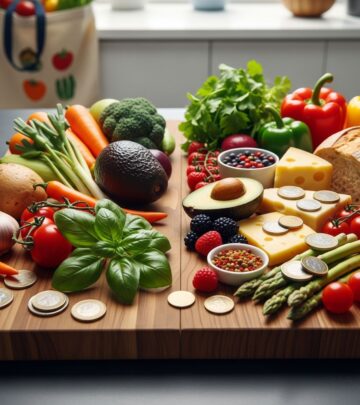
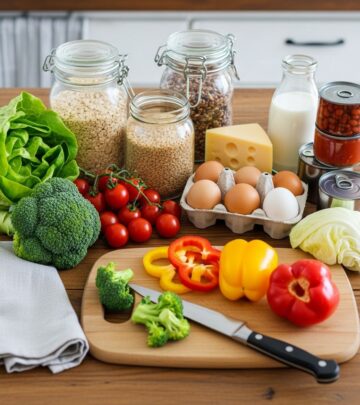
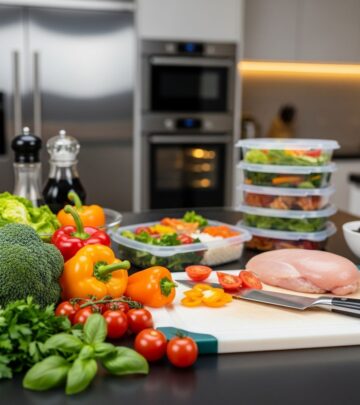
Food is one of the biggest budget categories for most households, but with some planning, you can dramatically reduce what you spend while still eating well. Learning to cook simple, cheap meals at home, planning ahead, and shopping strategically can cut your food bill significantly compared with eating out or buying prepared food.
According to the U.S. Bureau of Labor Statistics, food at home typically costs households far less per meal than food away from home, which includes restaurants and takeout. By embracing a few core habits and building a rotation of low-cost recipes, you can protect your budget and your health at the same time.
Why Cheap Meals Are A Powerful Money-Saving Strategy
Cheap meals are not just about eating bland food or giving up what you love. They are about:
- Spending less on each meal so more of your income can go toward savings, debt payoff, or other goals.
- Reducing food waste by using what you have on hand.
- Cooking at home more often, which is usually healthier and cheaper than eating out.
- Making your budget more predictable because you know what you will eat and what it will cost.
Consistently choosing low-cost home-cooked meals instead of restaurant food can save hundreds or thousands of dollars over a year, especially for families.
Foundations Of The Cheapest Meals
The cheapest meals almost always share a few characteristics. Keeping these in mind makes it easier to build your own frugal recipe collection.
Use Low-Cost Staple Ingredients
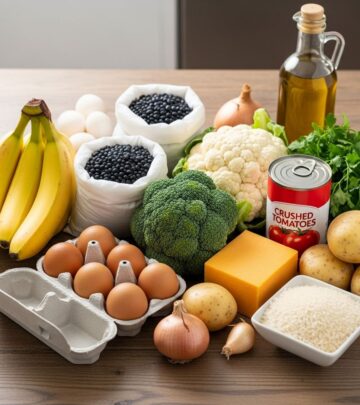
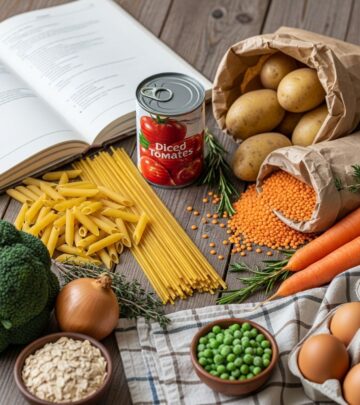
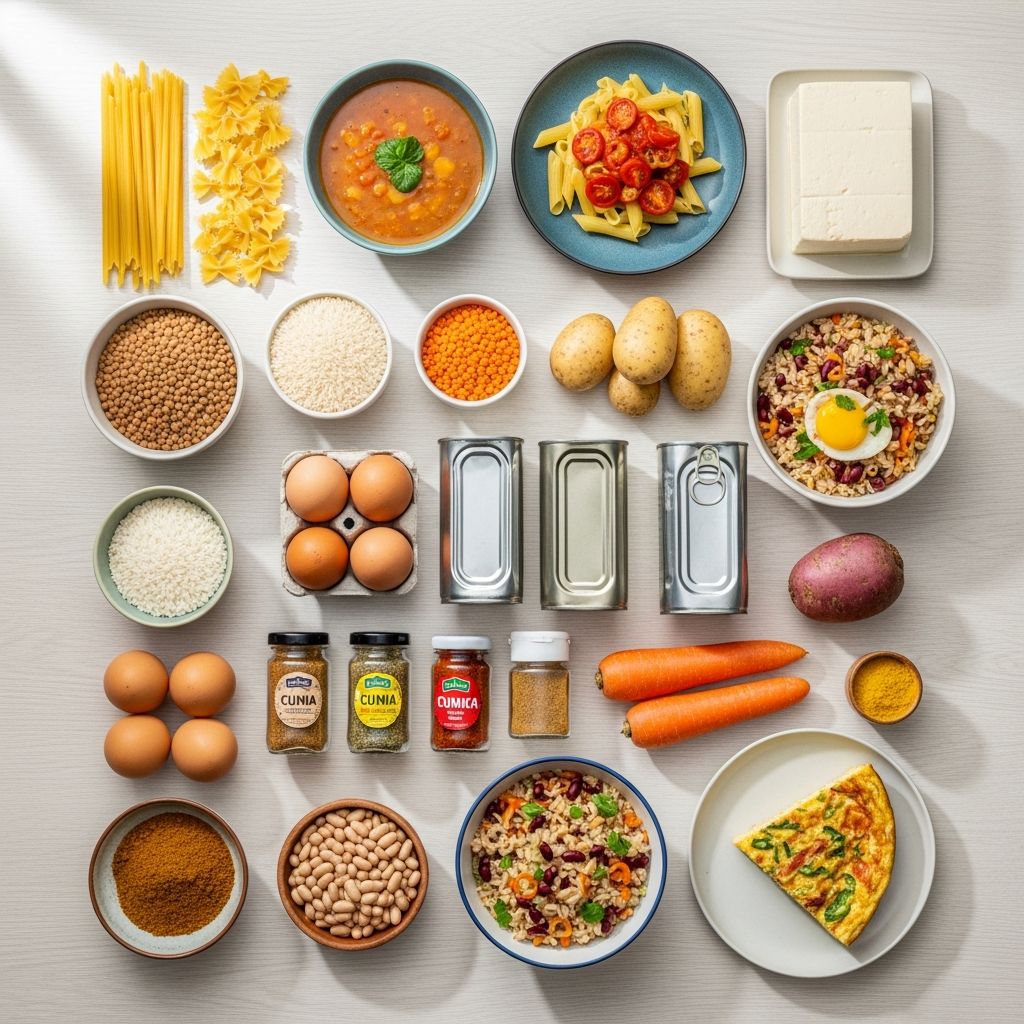
Base most of your meals on inexpensive pantry staples that are filling, versatile, and have a long shelf life.
- Grains: Rice, oats, pasta, barley, and tortillas.
- Beans & legumes: Lentils, black beans, pinto beans, chickpeas.
- Budget proteins: Eggs, canned tuna, whole chicken, peanut butter.
- Simple vegetables: Carrots, onions, potatoes, frozen mixed vegetables.
- Basic flavor boosters: Garlic, canned tomatoes, spices, broth cubes.
Government nutrition guidance highlights beans, grains, and vegetables as affordable ways to build healthy meals that provide protein, fiber, and key nutrients.
Cook From Scratch As Much As Possible
Cooking at home from basic ingredients is almost always cheaper than buying ready-made meals or eating out. It also lets you control salt, sugar, and fat, supporting better long-term health.
- Cook larger batches and portion leftovers for lunches.
- Replace packaged snacks with homemade popcorn, muffins, or cut vegetables.
- Prepare simple sauces (like tomato sauce or stir-fry sauce) rather than buying expensive jars.
Plan Your Meals Around Sales And What You Have
Meal planning is one of the most effective ways to cut your food bill.
- Look at store flyers or apps to see weekly sales.
- Check your pantry, fridge, and freezer first and plan to use what you already own.
- Choose overlapping recipes that use the same ingredients in different ways.
When you plan meals in advance and shop with a list, you avoid last-minute takeout and impulse purchases that raise your overall costs.
Examples Of The Cheapest Breakfasts
Breakfast can be incredibly inexpensive while still fueling you for the day. Focus on whole grains and simple proteins.
Budget-Friendly Breakfast Ideas
- Oatmeal with toppings: Cook oats with water or milk, then add a sliced banana, frozen berries, or a spoonful of peanut butter.
- Eggs on toast: Scrambled or fried eggs served on budget bread with a piece of fruit.
- Yogurt parfait: Plain yogurt with homemade granola and whichever fruit is on sale.
- Peanut butter toast: Toasted bread topped with peanut butter and a drizzle of honey.
- Breakfast burrito: Scrambled eggs, beans, and salsa wrapped in a tortilla.
| Breakfast | Main Ingredients | Why It’s Cheap |
|---|---|---|
| Oatmeal with toppings | Oats, fruit, peanut butter | Oats are low-cost in bulk and very filling. |
| Eggs on toast | Eggs, bread | Eggs are one of the cheapest protein sources. |
| Yogurt parfait | Plain yogurt, granola, fruit | Plain yogurt is cheaper than flavored cups. |
Cheapest Lunch And Dinner Ideas
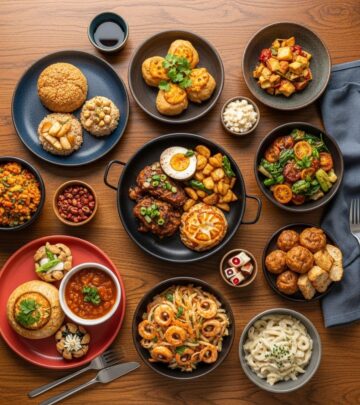
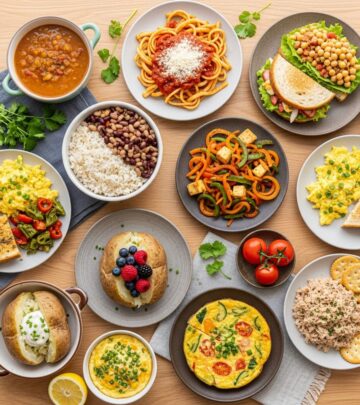
Lunch and dinner are where you can save serious money by choosing simple recipes built around beans, grains, and seasonal or frozen vegetables.
One-Pot And Sheet Pan Meals
One-pot and sheet pan meals are perfect for low-cost cooking because they minimize dishes and make it easy to cook in bulk.
- Rice and beans: Seasoned rice cooked with beans, onions, and spices.
- Lentil soup: Lentils simmered with carrots, onions, and canned tomatoes.
- Vegetable stir-fry: Frozen mixed vegetables stir-fried with a simple sauce and served over rice.
- Sheet-pan chicken and vegetables: Chicken thighs roasted with potatoes and carrots.
- Pasta with tomato sauce: Pasta tossed with a homemade tomato-garlic sauce and a sprinkle of cheese.
Casseroles And Bakes
Casseroles stretch small amounts of meat and cheese across many portions.
- Tuna pasta bake: Pasta, canned tuna, frozen peas, and a light creamy sauce baked together.
- Bean and rice bake: Rice, beans, salsa, and a bit of cheese baked until hot and bubbly.
- Potato and vegetable bake: Sliced potatoes layered with vegetables and a simple sauce.
Sandwiches, Wraps, And Bowls
- Bean and cheese burritos: Refried beans, cheese, and salsa in tortillas.
- Veggie sandwiches: Bread filled with hummus, cucumbers, and carrot shreds.
- Grain bowls: Rice topped with beans, roasted vegetables, and a simple dressing.
Cheapest Snacks And Sides
Snack spending can quietly increase your food budget. Choosing cheap, simple snacks helps keep costs low.
- Popcorn: Buy kernels and pop them on the stove instead of buying microwave bags.
- Carrot sticks and hummus: Whole carrots and homemade or store-brand hummus.
- Apples and bananas: Often among the most affordable fruits.
- Hard-boiled eggs: Easy to batch cook and high in protein.
- Homemade muffins: Made with oats, bananas, or applesauce.
Smart Shopping Strategies For Cheap Meals
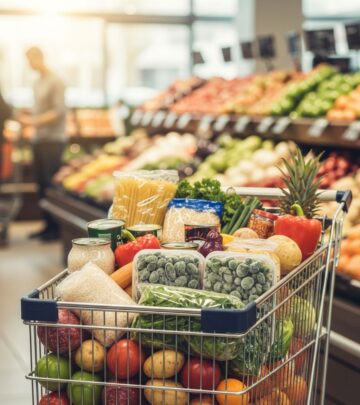
Even the cheapest recipes can become expensive if you don’t shop strategically. A few simple systems can help you keep costs down week after week.
Create A Realistic Grocery Budget
Start by reviewing what you currently spend on groceries and eating out. Then, set a realistic target that gradually lowers your spending instead of cutting all at once.
- Decide how much you want to spend per week or month.
- Track every grocery and restaurant purchase to see what needs adjusting.
- Use cash envelopes or prepaid cards if overspending is a recurring problem.
Shop With A List And Stick To It
Shopping with a list based on your meal plan helps you avoid impulse purchases and duplicate items.
- Write down everything needed for your planned meals and snacks.
- Group items by store section to make shopping faster.
- Avoid shopping when you’re hungry to limit extras.
Buy In Bulk When It Really Saves
Bulk shopping can lower unit prices, especially for staples you use often.
- Stock up on rice, beans, oats, and frozen vegetables when on sale.
- Check the unit price on the shelf tag to know if a bigger package truly costs less per ounce.
- Only buy what you can realistically store and use before it expires.
Choose Store Brands And Simple Packaging
Store brands often offer similar quality at lower prices than name brands because they spend less on marketing.
- Try store-brand canned beans, oats, pasta, and frozen vegetables.
- Compare ingredient lists to ensure they are similar to brand-name versions.
Use Frozen And Canned Produce Wisely
Frozen and canned fruits and vegetables can be just as nutritious as fresh and are often cheaper, especially when the fresh versions are out of season.
- Look for vegetables without heavy sauces and fruits packed in water or juice.
- Use frozen vegetables in soups, stir-fries, casseroles, and pastas.
- Use canned tomatoes as a base for soups, stews, and sauces.
Meal Planning To Maximize Savings
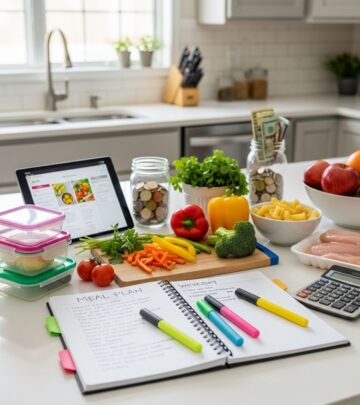
Meal planning is one of the most powerful tools for creating consistently cheap meals while reducing stress at dinnertime.
How To Start Meal Planning On A Budget
- Step 1: Check your calendar. Note nights when you need quick meals or leftovers.
- Step 2: Inventory your kitchen. List foods that need to be used soon.
- Step 3: Plan around what you have. Choose recipes that use those items first.
- Step 4: Add a few sales-based meals. Design meals around discounted proteins and produce.
- Step 5: Write your shopping list. Only add items you truly need for the week.
Research on household food spending shows that planning meals and cooking at home are associated with lower overall food costs and healthier dietary patterns.
Batch Cooking And Freezer Meals
Batch cooking allows you to do the work once and eat multiple times, saving both time and money.
- Cook large pots of soup, chili, or beans and freeze them in meal-size portions.
- Prepare double batches of casseroles and freeze the second one before baking.
- Freeze cooked rice or grains in flat freezer bags for quick reheating.
Reduce Food Waste To Protect Your Budget
Wasted food is wasted money. Avoiding food waste is one of the easiest ways to lower your effective cost per meal.
- Store leftovers in clear containers so you see them and use them.
- Schedule a regular “leftovers night” to finish what you have cooked.
- Freeze vegetables or fruits that are close to spoiling and use them in soups or smoothies.
Sample Cheap Meal Plan For One Week
Here is an example of a simple, budget-friendly meal plan using many of the ideas above. Adjust portion sizes and ingredients based on your household and preferences.
| Day | Breakfast | Lunch | Dinner |
|---|---|---|---|
| Monday | Oatmeal with banana | Rice and beans | Lentil soup and bread |
| Tuesday | Eggs on toast | Leftover lentil soup | Sheet-pan chicken and vegetables |
| Wednesday | Yogurt with granola | Bean and cheese burrito | Pasta with tomato sauce |
| Thursday | Peanut butter toast | Grain bowl with beans and veggies | Vegetable stir-fry over rice |
| Friday | Oatmeal with frozen berries | Tuna sandwich and carrots | Bean and rice bake |
| Saturday | Egg breakfast burrito | Leftover bean and rice bake | Homemade pizza on simple dough |
| Sunday | Yogurt parfait | Leftover pizza and salad | Soup made from leftover vegetables |
Frequently Asked Questions (FAQs)
Q: What is the absolute cheapest type of meal I can make?
A: Meals based on grains and legumes, such as rice and beans or lentil soup, are often among the cheapest options. Buying rice and dried beans in bulk, seasoning them well, and adding simple vegetables like onions or carrots creates a filling, nutritious meal for very little cost.
Q: How can I eat healthy while keeping meals cheap?
A: Focus on whole foods like beans, lentils, oats, brown rice, vegetables (including frozen), fruit, and eggs. Use small amounts of meat, cheese, and oils for flavor instead of making them the center of your plate. Public health guidance encourages this approach because it balances cost and nutrition.
Q: Is it really cheaper to cook at home than to eat out?
A: Yes. Data from national consumer expenditure surveys show that food prepared at home typically costs significantly less per serving than restaurant or fast-food meals. Even simple home-cooked dishes like pasta, stir-fries, and soups cost far less than similar restaurant options, especially when you use leftovers.
Q: What if I do not have a lot of time to cook?
A: Choose simple recipes with few ingredients, such as one-pot soups, sheet-pan dinners, and stir-fries. Batch cook on one or two days per week, then reheat leftovers. Meal planning and prepping ahead are proven strategies for saving both time and money on food.
Q: How can I stop throwing away so much food?
A: Plan meals around what you already have, store leftovers in clear containers, and schedule regular meals that use up ingredients, such as soups or stir-fries. Studies on household food waste show that better planning and storage practices are key to reducing the amount of food thrown away.
References
- Consumer Expenditures on Food, 2023 — U.S. Bureau of Labor Statistics. 2024-09-26. https://www.bls.gov/spotlight/2024/consumer-expenditures-on-food/home.htm
- 11 Ways to Eat Well at Home on a Budget — AARP. 2023-04-04. https://www.aarp.org/money/personal-finance/eating-on-a-budget/
- Make Every Bite Count With the Dietary Guidelines — U.S. Department of Agriculture & U.S. Department of Health and Human Services. 2020-12-29. https://www.dietaryguidelines.gov/resources/consumer-resources/make-every-bite-count-dietary-guidelines
- Meal Planning on a Budget — U.S. Department of Agriculture, SNAP-Ed Connection. 2024-02-15. https://snaped.fns.usda.gov/nutrition-education/healthy-eating-tips/meal-planning-budget
- Household Food Waste: Multivariate Analysis of Determinants and Implications — Journal of the Academy of Nutrition and Dietetics. 2019-05-01. https://www.sciencedirect.com/science/article/pii/S2212267219300047
Similar Articles








Read full bio of Sneha Tete