First Apartment: Expert Tips To Score The Best Deal
Master the essentials of renting your first apartment: from budgeting and hunting to furnishing on a dime and avoiding costly pitfalls.

Stepping into your first apartment marks a thrilling milestone toward independence. Yet, amid the excitement, hidden costs and common pitfalls can quickly strain your finances. This guide equips you with practical strategies to find the perfect place, negotiate smartly, budget effectively, furnish affordably, and settle in without breaking the bank.
Before You Start Hunting: Know Your Budget
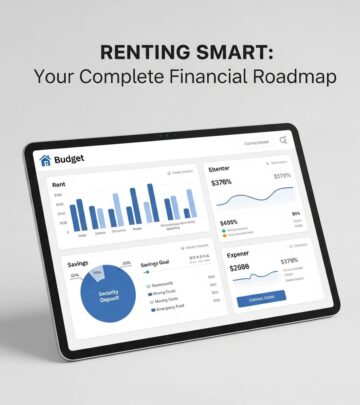
Determining your budget is the cornerstone of a successful apartment search. Aim to spend no more than 30% of your gross monthly income on rent to maintain financial health. For instance, if you earn $4,000 monthly, target rent under $1,200. Factor in additional expenses like utilities (averaging $150–$250/month), renter’s insurance ($10–$20/month), and potential parking or pet fees.
Calculate your total affordable rent using this simple formula: (Monthly Income × 0.30) – Utilities – Other Fees. Use free online rent affordability calculators from reputable financial sites to refine your numbers. Pro tip: Save three months’ rent as a buffer before signing any lease.
- Track income: Include salary, side gigs, and allowances.
- List expenses: Groceries, transportation, debt payments, and savings goals.
- Build an emergency fund: At least $1,000 for unexpected repairs or deposits.
How to Find the Right Apartment
Start your search early—ideally 60 days before your move-in date—in competitive markets. Use apps like Zillow, Apartments.com, and Craigslist, but verify listings to avoid scams. Drive or walk the neighborhood to assess safety, noise levels, and amenities firsthand.
Prioritize must-haves: location near work or transit, in-unit laundry, or pet-friendly policies. Make a checklist:
| Priority | Must-Have | Nice-to-Have |
|---|---|---|
| High | Affordable rent, good commute | Balcony, gym |
| Medium | Secure entry, updated kitchen | Dishwasher, AC |
| Low | Parking spot | Pool, concierge |
Visit multiple units during daylight hours. Ask about turnover rates, maintenance response times, and upcoming rent hikes. In hot markets, apply immediately with pre-approved documents.
Documents You’ll Need to Rent an Apartment
Landlords require proof of reliability. Prepare these essentials in a digital folder:
- Photo ID: Driver’s license or passport.
- Proof of income: Recent pay stubs (2–3 months), tax returns, or bank statements showing steady deposits.
- Credit report: Pull your free annual report from AnnualCreditReport.com; aim for 650+ score.
- Rental history: References from prior landlords or a letter if this is your first time.
- Application fee: $25–$100; never pay without a formal application.
If your credit is low, offer a co-signer with strong credit or pay several months’ rent upfront. Some landlords accept higher deposits instead.
Questions to Ask Before Signing the Lease
The lease is your binding contract—read every line. Grill the landlord on these key questions:
- Is rent fixed or can it increase? When and by how much?
- What utilities are included? Who pays for water, trash, internet?
- What’s the policy on guests, subletting, and noise?
- Are pets allowed? Fees or breed restrictions?
- How is maintenance handled? Response time guarantees?
- What’s the parking situation? Assigned spots or first-come?
- Any upcoming building changes like renovations?
Negotiate: Ask for fee waivers, paint allowances, or free parking. Get concessions in writing as lease addendums.
Understanding Your Lease: Key Terms to Know
Demystify legalese to protect yourself. Common terms include:
- Security deposit: 1–2 months’ rent; refundable minus damages.
- Lease term: 6–12 months typical; month-to-month riskier.
- Grace period: Days before late fees kick in (usually 5).
- Early termination fee: Penalty for breaking lease early.
- Subletting clause: Permission to rent out your space temporarily.
Review state-specific tenant rights via HUD.gov. Never sign if unclear—consult a free legal aid service.
Moving In: What to Check and Document
Before unloading boxes, conduct a thorough walkthrough. Note every imperfection:
- Cracks in walls, stained carpets, faulty appliances.
- Test lights, locks, smoke detectors, plumbing.
- Take timestamped photos/videos of the entire unit.
Submit a detailed move-in report to the landlord within 24 hours. This protects your deposit at move-out.
How Much Should You Spend Furnishing Your First Apartment?
Furnishing doesn’t require splurging. Budget $1,000–$3,000 total, prioritizing essentials: bed, sofa, dining table. Shop secondhand via Facebook Marketplace, OfferUp, or thrift stores for 50–70% savings.
Break it down:
| Item | Budget Range | Thrift/New Mix |
|---|---|---|
| Bed + mattress | $300–$800 | New mattress, used frame |
| Sofa | $200–$500 | Used from apps |
| Kitchen basics | $100–$300 | Garage sales |
| Dining set | $100–$250 | Folding table + chairs |
Wait for sales at IKEA, Wayfair, or Amazon. Rent furniture short-term if needed, but buy to build equity.
Cheap Ways to Furnish Your Apartment
Maximize savings with these hacks:
- Freecycle and Buy Nothing groups: Free items locally.
- Street curbs on trash day: Sturdy discards in good areas.
- DIY upgrades: Paint, new hardware for $20.
- Rent-to-own programs: For big-ticket items if cash-strapped.
- Roommate splits: Share costly pieces.
Essential Items for Your First Apartment (and Where to Get Them Cheap)
Focus on multi-use basics:
- Kitchen: Pots/pans set ($50 thrift), utensils, coffee maker.
- Bathroom: Shower curtain ($10), towels (Target clearance).
- Bedroom: Sheets ($20 Walmart), pillows.
- Cleaning: All-purpose spray, broom ($15 total).
- Safety: Fire extinguisher, first-aid kit ($25).
Source from dollar stores for consumables, Big Lots for deals.
Save Money on Utilities
Utilities can add $200+/month. Slash bills:
- LED bulbs: Cut lighting by 75%.
- Power strips: Eliminate phantom drain.
- Thermostat: Set to 78°F summer, 68°F winter.
- Low-flow fixtures: Reduce water use 30%.
- Shop providers: Compare electricity/internet rates annually.
Enroll in low-income programs if eligible via LIHEAP.gov.
How to Decorate Your Apartment on a Budget
Personalize cheaply:
- Print art from free sites like Unsplash.
- Use peel-and-stick wallpaper ($30/roll).
- Hang plants from propagation (under $10).
- DIY shelves from crates ($15).
Command strips prevent wall damage.
Maintaining Your Apartment: Tips to Keep Your Security Deposit
Preserve your deposit with diligence:
- Clean monthly: Vacuum, dust, scrub.
- Report issues immediately in writing.
- No nails—use hooks.
- Deep clean before move-out.
Document condition yearly.
Frequently Asked Questions (FAQs)
Q: How much should I save before getting my first apartment?
A: Aim for first/last month’s rent + security deposit + moving costs (total 3–6 months’ expenses).
Q: What’s the average first-month cost for an apartment?
A: $2,500–$5,000 depending on location, including fees.
Q: Can I negotiate rent?
A: Yes, especially off-season or with direct landlord contact—offer 5–10% off.
Q: How do I handle bad credit?
A: Get a co-signer, pay upfront, or use services proving rental payment history.
Q: What’s the best time to apartment hunt?
A: Winter months (Jan–Feb) for lower competition and negotiable rents.
References
- HUD Renter’s Rights Guidelines — U.S. Department of Housing and Urban Development. 2025-01-01. https://www.hud.gov/topics/rental_assistance/tenantrights
- Consumer Financial Protection Bureau: Renting Basics — CFPB. 2024-11-15. https://www.consumerfinance.gov/consumer-tools/renting-a-place/
- Federal Trade Commission: Rental Listing Scams — FTC. 2025-06-20. https://consumer.ftc.gov/articles/rental-listing-scams
- LIHEAP Utility Assistance Program — U.S. Department of Health & Human Services. 2025-09-10. https://www.acf.hhs.gov/ocs/programs/liheap
- Annual Credit Report Rights — Federal Trade Commission. 2024-12-01. https://www.annualcreditreport.com
Similar Articles








Read full bio of Sneha Tete