UK Travel Insurance Guide: Coverage & Protection
Comprehensive guide to selecting appropriate travel insurance for UK trips
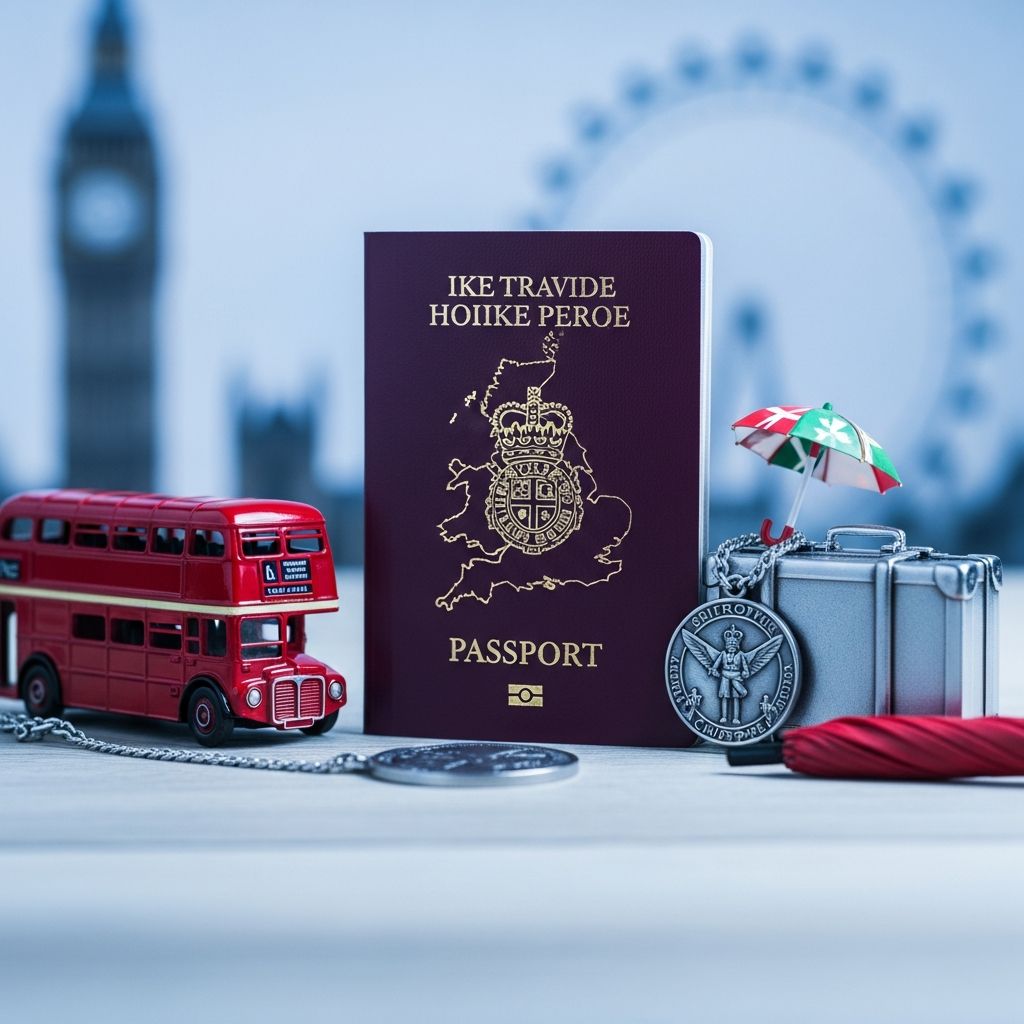
Traveling to the United Kingdom presents unique considerations for visitors from abroad, particularly regarding healthcare access and financial protection. While travel insurance is not a legal requirement for entering the UK, it serves as a critical safeguard against unexpected disruptions and medical emergencies that can arise during your journey. This comprehensive guide explores the essential components of UK travel insurance, helping you understand what protection you need and how to evaluate your options.
Why Travel Insurance Matters for UK Visitors
Many international travelers underestimate the importance of comprehensive travel insurance when visiting the United Kingdom. The NHS, while offering world-class medical care to UK residents and certain eligible visitors, does not automatically cover foreign nationals. This means that without proper travel insurance, visitors may face substantial out-of-pocket expenses for emergency treatment, hospital stays, or urgent medical interventions. The financial exposure can be significant, particularly for serious medical events or accidents occurring in remote areas.
Beyond medical concerns, travel insurance protects your financial investment in your holiday. Non-refundable flights, hotel bookings, tour reservations, and activity deposits represent considerable expenses for most travelers. Unexpected circumstances such as illness, family emergencies, or travel disruptions can force you to cancel or cut short your trip, leaving you without recourse unless you have appropriate cancellation coverage in place.
Core Coverage Components Explained
Emergency Medical Protection and Hospital Care
Emergency medical coverage forms the foundation of any comprehensive UK travel insurance policy. This protection extends to unexpected medical conditions requiring immediate attention, including emergency room visits, diagnostic procedures, hospital admissions, and necessary treatments during your stay. The coverage typically includes expenses for X-rays, laboratory tests, prescribed medications, and professional medical consultations.
Travel medical insurance also covers ambulance services, which can be particularly valuable in rural locations. Transportation costs to reach appropriate medical facilities represent a significant portion of potential medical expenses, especially when traveling to less densely populated areas of Scotland, Wales, or the English countryside. For travelers with existing health conditions or those over 60 years of age, prioritizing robust medical coverage becomes increasingly important.
Policy limits vary considerably across providers, ranging from $10,000 to $8 million in maximum coverage. Industry recommendations suggest maintaining at least $100,000 in emergency medical coverage when traveling to the UK, ensuring adequate protection against serious medical events without exhausting your policy limits.
Medical Evacuation and Transport Services
Medical evacuation coverage addresses scenarios where you require transportation to appropriate medical facilities, particularly relevant when traveling to remote regions. The Scottish Highlands, Lake District, and rural Welsh areas can present significant distances to specialized medical centers. Should you suffer a serious injury or acute illness in these locations, evacuation by helicopter or specialized ground transport can cost thousands of pounds.
This coverage component typically reimburses the full cost of emergency transport to the nearest suitable hospital, whether by ground ambulance or air evacuation. For travelers planning outdoor activities, adventure sports, or extended stays in rural areas, medical evacuation coverage with limits of at least $250,000 provides appropriate protection against worst-case scenarios.
Trip Cancellation and Early Return Benefits
Cancellation coverage reimburses your prepaid, non-refundable expenses when you must cancel your trip for covered reasons. Qualifying circumstances typically include serious illness or injury affecting you or an immediate family member, unexpected job redundancy, required jury service, or significant home emergencies such as fire, flooding, or break-in.
Most policies clearly define acceptable cancellation reasons and include specific exclusions. Reading the policy wording carefully ensures you understand what circumstances trigger coverage. Some insurers may exclude claims related to pre-existing medical conditions unless you purchase coverage within a specified timeframe after your initial trip booking.
Curtailment coverage complements cancellation protection by covering costs associated with cutting your holiday short due to emergencies. If you must return home unexpectedly mid-trip, this benefit reimburses unused portions of your accommodations and pre-booked activities, subject to policy terms and limits.
Baggage Protection and Personal Possessions
Luggage and personal possessions coverage protects against financial loss if your baggage is lost, delayed, or damaged during travel. Coverage typically applies to the value of your belongings while in transit or temporarily delayed. Most policies include reasonable coverage limits for clothing, electronics, and other travel essentials, though high-value items may require separate documentation or additional premium.
The claims process usually requires cooperation with airlines or relevant transport providers and may necessitate filing police reports for stolen items. Understanding your policy’s claims procedures and documentation requirements facilitates smoother resolution should you need to file.
Travel Delays and Missed Connections
Coverage for travel delays protects you against unexpected costs arising from flight delays, missed connections, or transport disruptions. If you experience significant delays that require meal, accommodation, or rebooking expenses, this benefit reimburses covered costs subject to minimum delay thresholds and daily limits specified in your policy.
Defining Your Trip for Insurance Purposes
Proper trip definition proves essential for ensuring your coverage remains valid. Most insurers require that your UK holiday involve at least two consecutive nights in booked accommodation to qualify for coverage. This definition excludes very short breaks, road trips where accommodation is not formally reserved, or casual camping trips where only a pitch is booked rather than dedicated accommodation.
Some providers impose a minimum distance requirement, typically 25 miles from your home address, while others may include or exclude destinations like the Channel Islands from their UK coverage definitions. Reviewing your specific policy’s definition of covered trips ensures your intended itinerary qualifies for protection.
Selecting Appropriate Coverage Limits
| Traveler Profile | Recommended Emergency Medical | Recommended Medical Evacuation | Recommended Cancellation Limit |
|---|---|---|---|
| Standard adult, urban travel | $100,000 | $100,000 | $2,500–$3,000 |
| Over 60 or pre-existing conditions | $100,000 | $250,000 | $3,000–$5,000 |
| Rural or adventure activities | $100,000–$250,000 | $250,000–$500,000 | $3,000–$5,000 |
| Family with children | $100,000 | $250,000 | $5,000+ |
Your optimal coverage limits depend on your age, health status, planned itinerary, and prepaid expenses. Older travelers or those with existing medical conditions warrant higher emergency medical limits due to increased probability of health complications. Travelers planning visits to remote regions should prioritize medical evacuation coverage, as transportation costs in sparsely populated areas can be substantial.
Families traveling with children benefit from higher cancellation limits, given larger aggregate prepaid expenses for accommodations and activities. Individuals with minimal prepaid costs can select more modest cancellation limits and focus resources on medical protection.
Single-Trip Versus Annual Coverage Options
Travelers must decide between single-trip policies covering one specific journey and annual multi-trip insurance protecting all holidays within a 12-month period. Single-trip coverage suits individuals planning only occasional holidays, offering tailored protection specifically for that journey at a modest cost.
Annual multi-trip insurance proves more economical for frequent travelers, typically paying for itself after two to three trips. This approach eliminates the need to purchase separate policies for each holiday, simplifying administration and potentially reducing overall annual insurance expenses.
Premium Factors and Pricing Considerations
Travel insurance premiums reflect numerous variables including your age, trip duration, coverage limits selected, and any add-ons purchased. Younger travelers typically pay lower premiums than older age groups due to reduced health risk profiles. Longer trips and higher coverage limits result in proportionally higher costs.
Pre-existing medical condition clauses significantly impact pricing and availability. Purchasing insurance shortly after booking your trip may provide more favorable coverage for existing conditions, as many insurers include automatic coverage for pre-existing conditions when purchased within specific timeframes.
Optional add-ons such as Cancel For Any Reason (CFAR) coverage expand the circumstances triggering cancellation benefits but increase premiums substantially. Adventure sport coverage, equipment protection, and enhanced baggage limits represent additional customization options for specialized travel needs.
Practical Steps for Obtaining Coverage
Begin your insurance process immediately after booking your trip, as early purchase can favorably affect coverage terms, particularly regarding pre-existing conditions. Carefully review policy wording, exclusion clauses, and specific definitions to ensure the coverage aligns with your circumstances and planned activities.
Compare multiple providers’ offerings rather than selecting based solely on premium cost. Lower-priced policies may include restrictive exclusions or lower coverage limits that compromise protection quality. Assessing the full coverage scope ensures you select appropriate protection rather than merely the cheapest option available.
Maintain copies of your policy documents, certificate of insurance, and emergency contact information separate from your passport and primary travel documents. Storing this information digitally and in cloud-based systems ensures accessibility if your physical documents are lost or damaged.
Frequently Asked Questions
Is UK travel insurance legally required?
No, travel insurance is not a legal requirement for visiting the United Kingdom. However, it is highly recommended, particularly given the NHS’s limited coverage for foreign visitors and the financial exposure posed by medical emergencies or travel disruptions.
What happens if I become ill without travel insurance in the UK?
The NHS will treat emergency medical conditions regardless of insurance status, but foreign visitors typically receive billing for these services afterward. Hospital bills, ambulance fees, and specialist consultations can accumulate quickly, resulting in substantial financial liability.
Does my home country’s health insurance cover UK medical treatment?
Most national health insurance systems, including those from the United States, do not provide coverage for medical treatment in the United Kingdom. Travel medical insurance specifically designed for international coverage fills this protection gap.
Can I purchase travel insurance after my trip begins?
Generally, travel insurance must be purchased before your trip commences. Policies purchased after your departure date typically exclude coverage for pre-existing conditions and may include other limitations. Early purchase protects against this limitation.
What constitutes a valid cancellation reason?
Valid reasons typically include serious illness or injury, family bereavement, unexpected redundancy or job loss, required jury service, and significant home emergencies. Non-covered reasons usually include changes of mind, financial difficulties unrelated to specified events, or weather inconvenience.
References
- Travel Insurance for the U.K.: Plans & Prices (2026) — Squaremouth. 2026. https://www.squaremouth.com/resources/destinations/united-kingdom
- Travel Insurance for UK Holidays — Money Saving Expert. 2026. https://www.moneysavingexpert.com/insurance/uk-travel-insurance/
- Do You Need Travel Insurance for the U.K.? Guide for U.S. Travelers — Visitors Coverage. 2026. https://www.visitorscoverage.com/travel-insurance-requirements/united-kingdom/
- Travel Insurance for the UK — Experian. 2026. https://www.experian.com/blogs/ask-experian/travel-insurance-for-uk/
- Foreign Travel Insurance — GOV.UK. 2026. https://www.gov.uk/guidance/foreign-travel-insurance
- Travel Insurance | Holiday Insurance — Post Office. 2026. https://www.postoffice.co.uk/travel-insurance
Similar Articles








Read full bio of Sneha Tete