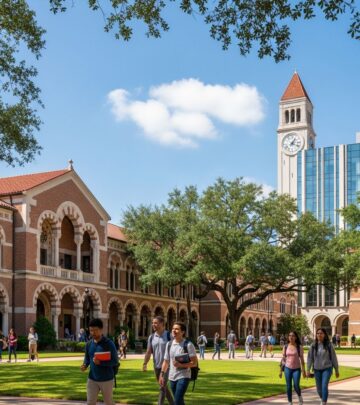
UC Berkeley: Excellence, Opportunity, and Innovation
Discover why UC Berkeley remains a world-leading institution for ambitious students.
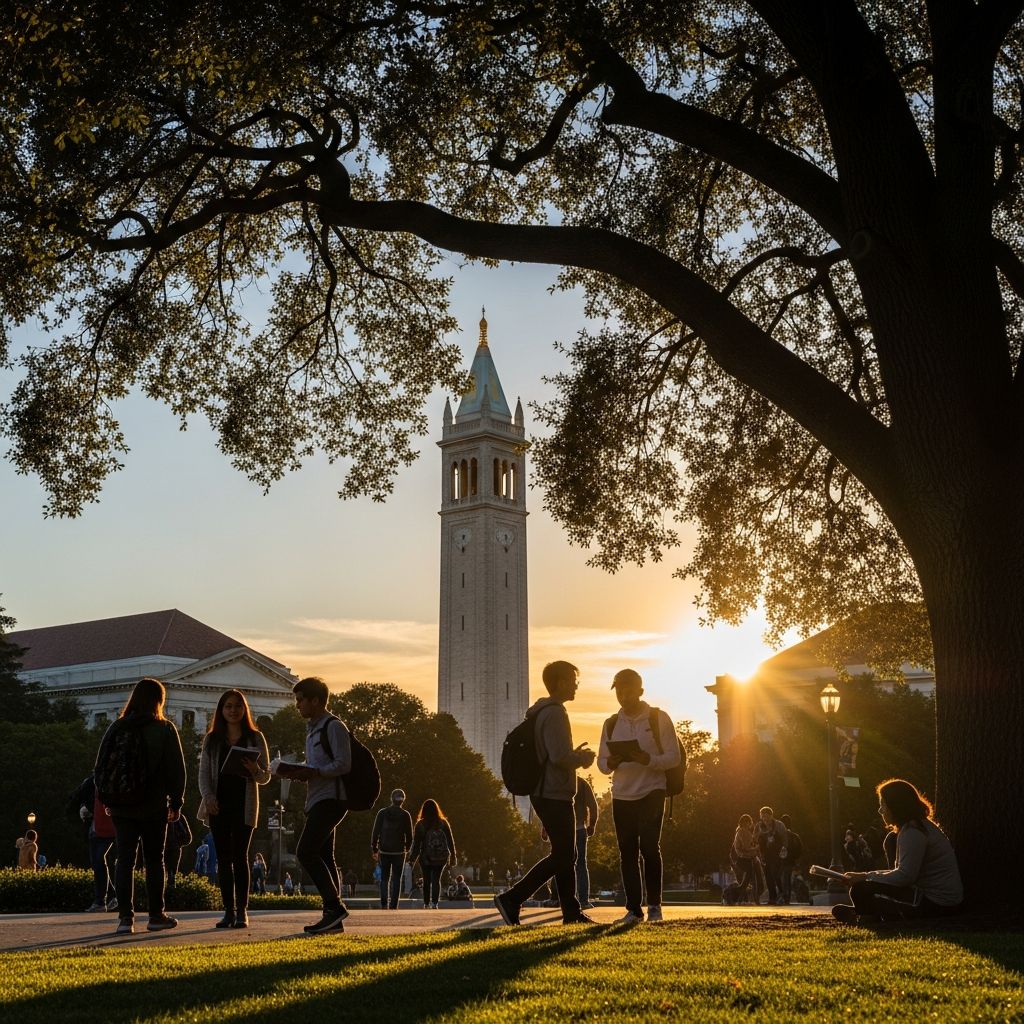
University of California, Berkeley: A Premier Institution of Learning and Innovation
Since its founding in 1868, the University of California, Berkeley has established itself as one of the world’s most prestigious public research universities. Located in Berkeley, California, approximately 15 miles from San Francisco, UC Berkeley combines academic rigor with groundbreaking research opportunities that attract talented students from around the globe. The university’s commitment to excellence, diversity, and innovation continues to shape leaders, entrepreneurs, scientists, and changemakers who tackle the world’s most complex challenges.
A Legacy of Academic Excellence
UC Berkeley’s reputation for academic excellence is unparalleled among public institutions. The university boasts 12 Nobel laureates on its current faculty and counts 63 Nobel laureates among its alumni, faculty, and researchers—a testament to the caliber of intellectual work conducted on campus. Beyond the Nobel Prize, the university claims 19 Academy Award winners, 19 Pulitzer Prize recipients, and numerous Rhodes Scholars, Marshall Scholars, and Fulbright Scholars.
The institution’s academic structure is comprehensive and multifaceted. UC Berkeley is organized around 15 schools and colleges, offering over 300 degree programs and more than 115 undergraduate degree programs. These range from engineering and sciences to humanities, business, and professional studies. With 184 academic departments and programs available to students, UC Berkeley ensures that students can pursue virtually any field of study they envision.
The university’s research output is extraordinary. UC Berkeley researchers work on groundbreaking initiatives spanning from advancing Alzheimer’s cures and developing artificial intelligence innovations to mapping the universe’s frontiers. As the #1 public research university in the nation, Berkeley’s contributions to human knowledge and technological advancement are felt globally.
Campus and Facilities
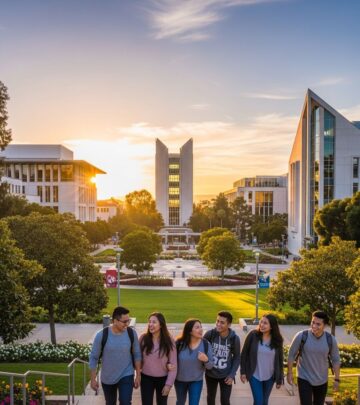
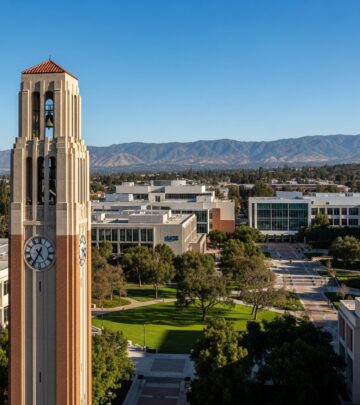
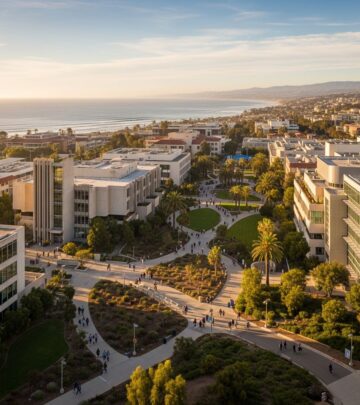
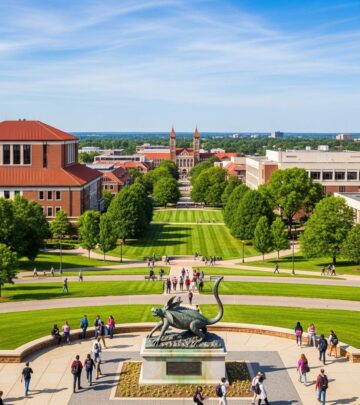
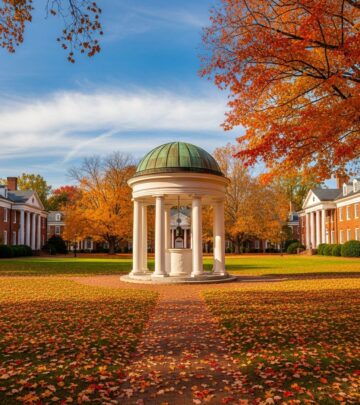
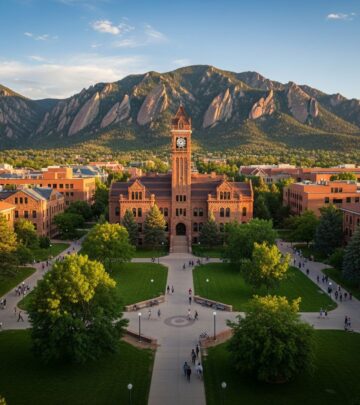
UC Berkeley’s sprawling 1,232-acre campus provides an inspiring backdrop for learning and discovery. The “central campus” occupies approximately 178 acres in the low-lying western section, featuring iconic academic buildings, libraries, and student facilities. The remaining acres are home to the Lawrence Berkeley National Laboratory, research units including the Space Sciences Laboratory and Mathematical Sciences Research Institute, recreational facilities, and natural preserves.
The campus hosts several world-class museums and research centers. The University of California Museum of Paleontology, situated in the Valley Life Sciences Building, showcases dinosaur fossils including a complete Tyrannosaurus Rex cast. The Berkeley Art Museum and Pacific Film Archive provide cultural enrichment, while the Lawrence Hall of Science offers hands-on learning experiences. Additionally, the UC Botanical Garden features more than 12,000 individual plant species, serving as both a research resource and tranquil sanctuary for students and faculty.
For students interested in entrepreneurship and innovation, UC Berkeley provides dedicated resources including the Big Ideas Competition, Sutardja Center for Entrepreneurship and Technology, and the Berkeley Haas Innovation Lab. These platforms empower students to transform ideas into reality and launch ventures that impact society.
Student Body and Campus Culture
UC Berkeley serves more than 45,000 students, with approximately 33,000 undergraduate students enrolled. This diverse population creates a vibrant intellectual community characterized by intellectual curiosity, ambition, and social consciousness. Close to 30 percent of freshmen are first-generation college students, reflecting the university’s commitment to access and opportunity.
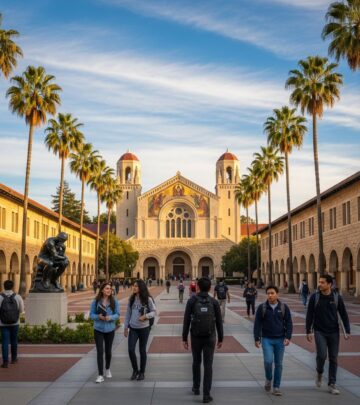
The campus atmosphere is distinctly Berkeley—an eclectic blend of artistic expression, entrepreneurial spirit, laid-back California culture, and driven academic pursuit. Students encounter peers from around the world, creating a truly global community where diverse perspectives enrich the educational experience. This diversity extends beyond geography; students bring varied backgrounds, identities, and viewpoints that strengthen classroom discussions and collaborative projects.
UC Berkeley is celebrated for its commitment to diversity and inclusion, with numerous programs and student organizations supporting various cultural, racial, and identity communities. While students appreciate these efforts, some note the ongoing need for greater representation among faculty and enhanced activism initiatives. Nevertheless, many students report feeling welcomed and finding communities that reflect their backgrounds.
Academic Environment and Expectations
The academic culture at UC Berkeley is notably rigorous and intellectually intense. Courses are challenging, and faculty maintain high expectations for student performance. This demanding environment attracts driven individuals committed to intellectual growth and mastery of their disciplines. The competitive atmosphere, while occasionally stressful, fosters a “work hard, play hard” mentality where peers support each other through challenging coursework and social activities.
Despite large class sizes—particularly in introductory courses—UC Berkeley provides support structures to ensure student success. Graduate student instructors (GSIs) and regular office hours offer essential assistance, allowing students to navigate complex material and develop deeper understanding. Professors are highly dedicated to their subjects, and students report meaningful interactions with faculty members, including opportunities to work with renowned scholars and Nobel laureates.
The university encourages interdisciplinary, well-rounded education, believing that diverse and broadly inquisitive learning experiences strengthen creativity and curiosity. Students are urged to explore beyond their major, engage in research, and develop critical thinking skills applicable across disciplines.
Research and Professional Opportunities
One of UC Berkeley’s defining strengths is the abundance of professional and research opportunities available to students. Undergraduates have unprecedented access to faculty-led research projects, allowing them to contribute to cutting-edge investigations while developing critical research skills. Many students work alongside Nobel laureate faculty, gaining mentorship and exposure to world-class scholarship.
The San Francisco Bay Area location provides additional advantages, connecting students to internship opportunities and industry partnerships across technology, finance, healthcare, and other sectors. Berkeley’s proximity to Silicon Valley, pharmaceutical companies, and innovation hubs accelerates career development and networking. Students often describe how these professional connections launched their post-graduation careers, whether in corporate settings, startups, or academic institutions.
Admissions and Selectivity
UC Berkeley is among the most selective universities in the country, with extremely competitive admissions standards. For first-year applicants in the 2024-2025 cycle, the university received 126,836 applications and admitted 14,451 students, yielding an overall admission rate of 11.4%. This selectivity reflects the university’s commitment to enrolling exceptional students capable of thriving in its demanding academic environment.
The admissions review process for first-year students is holistic, meaning that grades, standardized test scores, extracurricular activities, awards, essays, and Personal Insight Questions are weighed equally. This comprehensive approach allows the admissions committee to understand each applicant as a complete person rather than reducing them to numerical metrics alone.
UC Berkeley also welcomes transfer students, admitting 5,603 of 23,322 transfer applicants for a 24% transfer admission rate. Transfer applicants undergo a comprehensive review that considers academic performance, course selection, and contributions to previous institutions.
Athletics and Student Life
Berkeley’s athletics program is exceptional, with students competing in 30 varsity sports as members of the Atlantic Coast Conference (ACC). The California Golden Bears have won 107 national championships, 196 individual national titles, and 223 Olympic medals (including 121 gold)—demonstrating both the athletic excellence cultivated at Berkeley and the global impact of its student-athletes.
Beyond athletics, students engage in hundreds of clubs and organizations spanning cultural groups, academic interests, volunteer service, and special interests. This rich extracurricular landscape allows students to develop friendships, pursue passions, and contribute to the broader Berkeley community.
Administrative Systems and Support
While UC Berkeley excels academically, some students find administrative processes challenging. Financial aid systems, major declarations, and other bureaucratic procedures can feel confusing and move slowly. Navigating these systems requires patience, independence, and persistence. However, many students view overcoming these challenges as opportunities for personal growth and developing self-advocacy skills valuable throughout their careers.
The university’s organizational structure reflects its scale and complexity. Twelve vice-chancellors report directly to Berkeley’s chancellor, while deans of the 15 colleges and schools report to the executive vice chancellor and provost, the chief academic officer.
Global Impact and Future Leaders
UC Berkeley graduates go on to extraordinary achievements across fields and industries. Alumni become entrepreneurs launching transformative companies, physicians advancing medical care, actors and artists enriching culture, activists championing social justice, and researchers pushing the frontiers of human knowledge. This diversity of outcomes reflects Berkeley’s philosophy of preparing well-rounded citizens capable of contributing meaningfully to society in countless ways.
The university’s commitment to using education as a tool for social change aligns with its long history of activism and civic engagement. Students are encouraged to think critically about society’s challenges and leverage their education toward constructive solutions.
Frequently Asked Questions
Q: What makes UC Berkeley different from other top universities?
A: UC Berkeley combines world-class academics with a public mission to serve all students regardless of background. Its 1,232-acre campus, Nobel laureate faculty, abundant research opportunities, Bay Area location, and commitment to diversity and social responsibility create a unique educational experience unmatched by comparable institutions.
Q: How competitive is admission to UC Berkeley?
A: UC Berkeley is extremely selective, with an 11.4% admission rate for first-year applicants. The university receives applications from exceptional students worldwide and employs holistic review considering academics, essays, extracurriculars, and demonstrated qualities beyond test scores.
Q: What support is available for large introductory classes?
A: While some introductory courses have large enrollments, UC Berkeley provides graduate student instructors, office hours with professors and GSIs, tutoring services, and study groups to ensure students receive individualized support and can master challenging material.
Q: Are research opportunities available to undergraduates?
A: Yes, Berkeley actively encourages undergraduate participation in research. Students work with faculty on cutting-edge projects, including opportunities to collaborate with Nobel laureates, gaining invaluable experience and mentorship while contributing to groundbreaking discoveries.
Q: How does UC Berkeley support first-generation college students?
A: Nearly 30% of Berkeley freshmen are first-generation college students. The university provides dedicated support programs, mentoring, financial aid, and a welcoming community to ensure these students thrive academically and socially during their Berkeley experience.
Q: What career outcomes can I expect as a UC Berkeley graduate?
A: Berkeley graduates pursue diverse, accomplished careers as entrepreneurs, healthcare professionals, academics, policymakers, and artists. The university’s reputation, extensive alumni network, Bay Area location, and career services support graduates in launching meaningful careers across sectors worldwide.
Q: How does Berkeley’s location benefit students?
A: Located 15 miles from San Francisco in the San Francisco Bay Area, Berkeley provides access to internship opportunities, industry partnerships, networking connections, and cultural resources. Proximity to Silicon Valley, major corporations, research institutions, and cultural centers enhances students’ professional development and enriches campus life.
References
- University of California, Berkeley Overview — CollegeData. 2025. https://www.collegedata.com/college-search/University-of-California-Berkeley
- University of California – Berkeley Student Reviews — Niche. 2025. https://www.niche.com/colleges/university-of-california-berkeley/
- University of California, Berkeley — Wikipedia. 2025. https://en.wikipedia.org/wiki/University_of_California,_Berkeley
- UC Berkeley Home — University of California, Berkeley. 2025. https://www.berkeley.edu
- UC Berkeley Academics and Programs — Collegewise. 2025. https://collegewise.com/blog/uc-berkeley-acceptance-rate
- UC Berkeley – UC Admissions — University of California Admissions. 2025. https://admission.universityofcalifornia.edu/campuses-majors/berkeley/
Similar Articles








Read full bio of Sneha Tete