Types Of Personal Loans: 2025 Comprehensive Guide
Explore the various types of personal loans, their features, benefits, and best uses to make informed borrowing decisions.
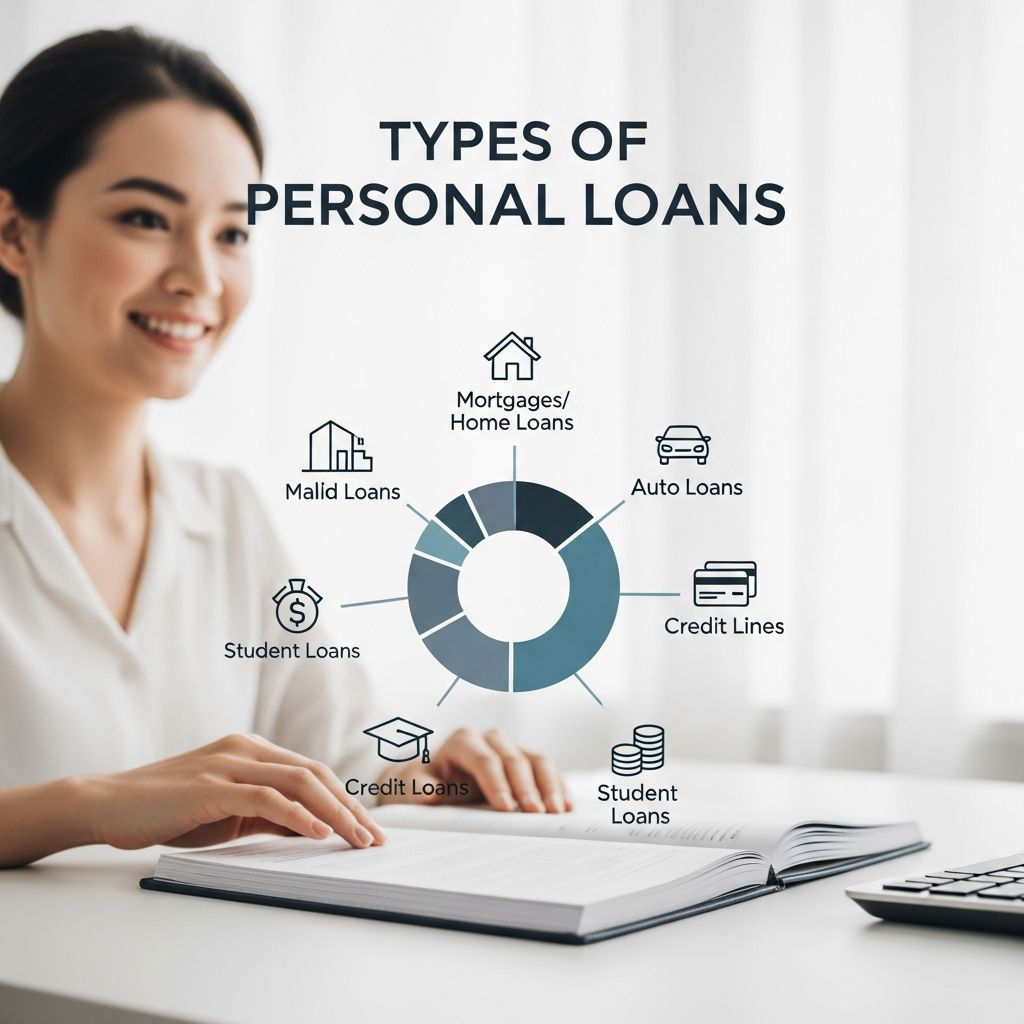
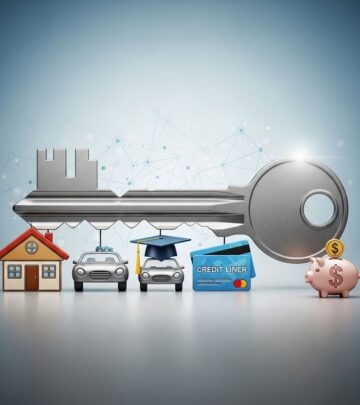
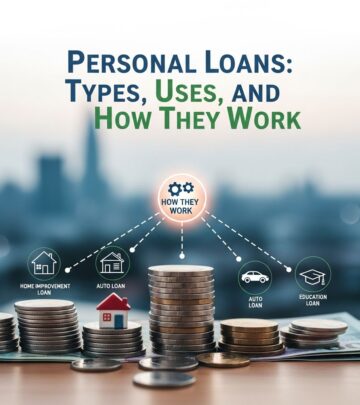
Personal loans provide flexible financing options for a wide range of needs, from debt consolidation to home improvements and emergencies. Understanding the different types helps borrowers select the most suitable option based on their credit profile, financial goals, and risk tolerance. This guide covers the primary categories, their mechanics, benefits, drawbacks, and ideal scenarios for use.
What Are Personal Loans?
Personal loans are lump-sum installment loans repaid in fixed monthly payments over a set term, typically 1-7 years. Unlike credit cards, they offer predictable payments, making budgeting easier. Lenders assess credit score, income, and debt-to-income ratio to determine eligibility and terms. Average APRs range from 6% to 36%, depending on creditworthiness.
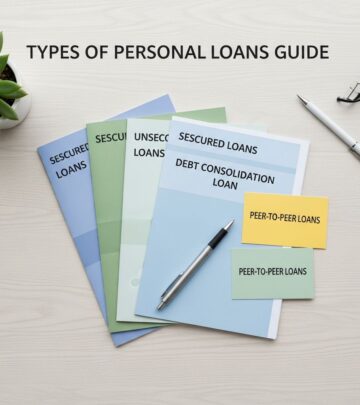
Personal loans can be unsecured (no collateral) or secured (backed by assets). They fund diverse purposes like medical bills, weddings, or vacations, though some lenders restrict uses. In 2025, with interest rates stabilizing post-Fed adjustments, personal loans remain popular for their speed and simplicity compared to home equity options.
Unsecured Personal Loans
Unsecured personal loans are the most common type, not requiring collateral, making them accessible without risking assets. Lenders rely on credit history, offering funds quickly—often same-day via online platforms.
- Pros: No asset risk; fast approval; flexible use.
- Cons: Higher APRs (10-36%); stricter credit requirements; smaller amounts ($1,000-$50,000).
Best for borrowers with good credit (670+ FICO) needing quick cash for emergencies or purchases. For example, funding a $5,000 medical procedure without pledging savings.
Secured Personal Loans
Secured personal loans require collateral like savings, vehicles, or CDs, reducing lender risk and enabling better terms. Credit unions and some banks offer these, with APRs as low as 5-10%.
- Pros: Lower rates; higher limits ($10,000-$100,000+); easier qualification.
- Cons: Risk of asset loss on default; slower processing; purpose-specific sometimes.
Ideal for large expenses like home repairs where borrowers have assets. Unlike mortgages or auto loans, secured personal loans offer more flexibility but still carry repossession risk.
Debt Consolidation Loans
Debt consolidation loans combine multiple high-interest debts (e.g., credit cards at 20%+ APR) into one lower-rate loan, simplifying payments and potentially saving thousands in interest.
Some lenders pay creditors directly. If your new APR is below 12% and term matches, savings compound. A $20,000 debt at 18% consolidated to 9% over 5 years could save $4,000+ in interest.
- Best when: Existing debts exceed 15% APR; multiple payments strain budget.
- Avoid if: Poor credit leads to higher rates, worsening the cycle.
Co-Signed and Joint Personal Loans
Co-signed loans feature a primary borrower and co-signer (creditworthy friend/family) who guarantees payments if default occurs. This boosts approval odds for subprime borrowers.
Joint loans make both parties equally liable, sharing funds and responsibility. Both improve terms but strain relationships if missed payments hit both credit scores.
| Type | Responsibility | Fund Access | Risk to Co-Borrower |
|---|---|---|---|
| Co-Signed | Primary only uses; co-signer backups | Primary only | High if default |
| Joint | Both liable | Both | Equal |
Use cautiously for shared goals like moving costs, ensuring clear repayment agreements.
Personal Line of Credit
A personal line of credit (PLOC) is revolving credit like a card but with lower rates (8-15%). Borrow up to a limit, pay interest only on drawn amounts, and reuse as repaid.
- Pros: Flexibility for ongoing needs; no lump sum.
- Cons: Variable rates may rise; temptation to overspend.
Perfect for home projects or emergencies where exact costs are unknown. Banks like Wells Fargo offer PLOCs up to $100,000.
Fixed-Rate Personal Loans
Fixed-rate loans lock in APR, ensuring stable payments immune to market shifts. Most personal loans (95%+) are fixed, aiding long-term planning.
Downside: No benefit if rates fall (refinance possible). Terms: 2-7 years; payments calculated via amortization.
Variable-Rate Personal Loans
Variable-rate loans tie to indexes like Prime Rate + margin, starting lower (e.g., 7%) but fluctuating. Rare in personal lending (5%), suited for short terms or rate-drop bets.
- Best for: Confident economists expecting cuts.
- Risk: Payments could double if rates spike 5%.
Buy Now, Pay Later (BNPL) Loans
BNPL loans split purchases ($50-$1,000) into 4-6 interest-free payments, offered by Affirm, Klarna at checkout. No hard credit check for small amounts.
Convenient for gadgets but risks overspending, late fees (up to 25%), and credit dings. Not true loans—more deferred payment plans.
Types of Personal Loans to Avoid
Some “loans” pose high risks:
- Payday Loans: $100-$1,000 at 400%+ APR, repaid next payday. Debt traps 80% of borrowers.
- Credit Card Cash Advances: Immediate interest (25%+), fees (5%), no grace period.
- Cash Advance Apps: $200-$500 from paycheck + fees/tips; addictive cycle.
Federal Reserve data shows payday loans cost Americans $9B yearly; opt for personal loans instead.
How to Choose the Right Personal Loan
1. Assess needs and amount.
2. Check credit score.
3. Compare APR, fees, terms via prequalification.
4. Calculate total cost with loan calculators.
5. Read fine print on penalties.
Shop 3+ lenders; credit unions often beat banks on rates. Prequalify to avoid inquiries.
Frequently Asked Questions (FAQs)
What is the average personal loan interest rate in 2026?
A: Around 11.5% for excellent credit, per Bankrate data; varies by type and score.
Are personal loans better than credit cards?
A: Yes for fixed debt—lower rates, one payment vs. revolving high-interest balances.
Can I get a personal loan with bad credit?
A: Possible via secured/co-signed options, but expect 25%+ APRs.
How fast can I get personal loan funds?
A: Unsecured: 1-3 days; some instant.
Does a personal loan build credit?
A: Yes, on-time payments boost score via payment history (35% of FICO).
References
- 8 types of personal loans and their uses — plus 5 to avoid — Bankrate. 2025-06-15. https://www.bankrate.com/loans/personal-loans/types-of-personal-loans/
- 8 Different Types of Personal Loans & How They Work — Sun Loan. 2025-03-22. https://www.sunloan.com/resources/education-on-personal-loans/different-types-of-personal-loans/
- 6 Types of Personal Loans and When They’re Best — NerdWallet. 2025-08-10. https://www.nerdwallet.com/personal-loans/learn/personal-loan-types
Similar Articles








Read full bio of Sneha Tete