Types of Personal Loans Guide
Discover various personal loan options, their benefits, risks, and ideal uses to make informed borrowing decisions.
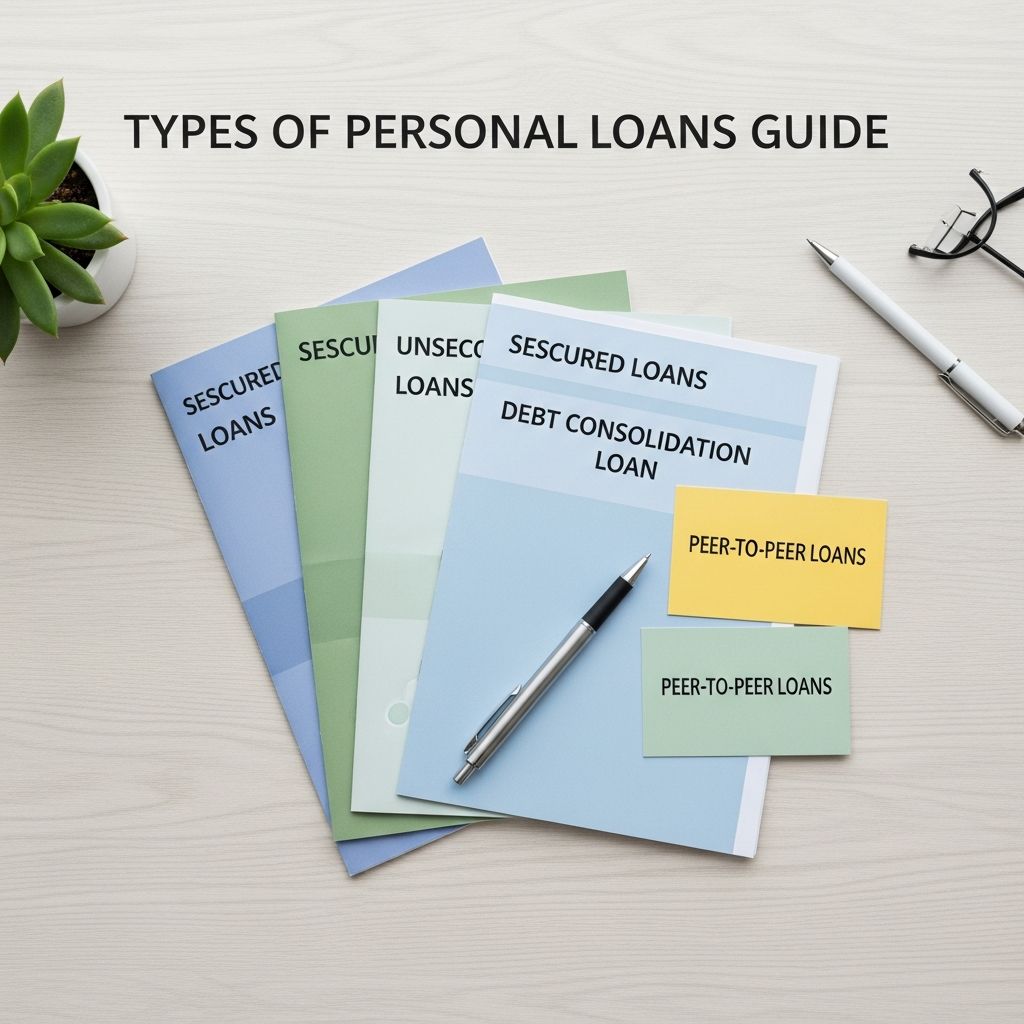
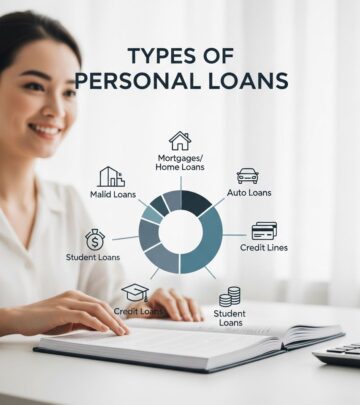
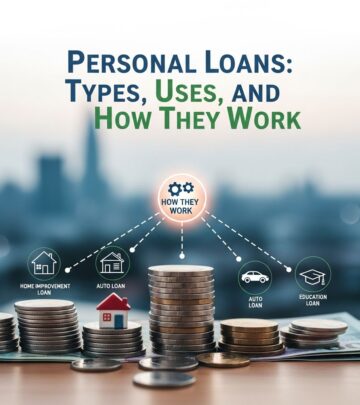
Personal loans provide versatile financing solutions for diverse needs, from emergency expenses to major life events. These installment-based products allow borrowers to access lump sums repaid over fixed terms, often with competitive rates depending on creditworthiness. Understanding the varieties helps select the optimal option aligned with financial goals and risk tolerance.
Core Categories of Personal Loans
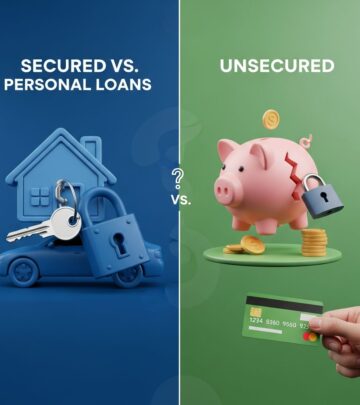
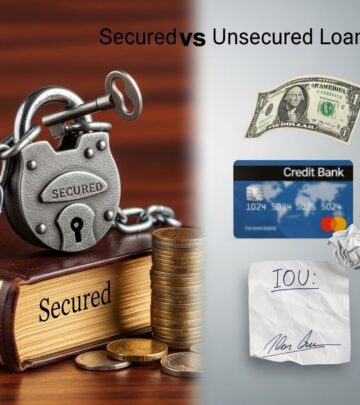
Personal loans primarily divide into unsecured and secured variants, each with distinct qualification criteria and terms. Unsecured loans rely solely on borrower credit profiles, while secured options involve collateral to mitigate lender risk.
Unsecured Personal Loans
The most prevalent form, unsecured personal loans do not demand collateral, making them accessible through banks, credit unions, and online platforms. Lenders assess credit scores, income stability, and debt levels to approve applications, with typical APRs spanning 7% to 36% and terms of two to seven years.
These loans suit one-time expenses like relocations or medical procedures, offering quick funding—often same-day deposits—without asset pledges. Higher borrowing limits than credit cards provide substantial flexibility for debt payoff or investments in personal advancement.
- Advantages: No risk of asset loss; straightforward application; broad usage freedom.
- Drawbacks: Elevated rates for lower credit scores; stricter approval for subprime borrowers.
Secured Personal Loans
Secured loans require collateral such as savings accounts, CDs, or vehicles, enabling easier qualification and lower rates due to reduced lender exposure. Credit unions and select banks commonly offer them, with some variants like credit-builder loans aimed at enhancing credit histories.
Borrowers with fair credit benefit most, as collateral offsets risk, potentially unlocking higher limits. However, defaulting risks asset forfeiture, demanding careful repayment commitment.
| Feature | Unsecured | Secured |
|---|---|---|
| Collateral | None | Required |
| Interest Rates | 7%-36% | Typically lower |
| Approval Ease | Credit-dependent | More lenient |
| Risk to Borrower | Financial only | Asset loss possible |
Specialized Personal Loan Variants
Beyond basics, specialized loans address targeted scenarios, enhancing accessibility for varied profiles.
Debt Consolidation Loans
Designed to merge multiple high-interest debts into one fixed-rate payment, these loans simplify budgeting and often cut overall costs. Funds repay existing balances directly, freeing cash flow for savings or essentials.
Ideal for credit card debt management, they feature predictable installments, contrasting revolving credit’s variability. Qualifying requires sufficient income to cover the consolidated amount.
Joint and Cosigned Loans
Joint loans grant both parties fund access and equal repayment duty, while cosigned versions limit funds to the primary borrower, with the cosigner liable only on default. A strong-credit partner boosts approval odds and terms for those with weaker profiles.
- Joint: Shared responsibility and access.
- Cosigned: Supportive role for primary applicant.
Best for family aiding younger or rebuilding borrowers, though relationships strain if payments falter.
Personal Lines of Credit
Unlike lump-sum loans, personal lines of credit (PLOCs) offer revolving access during a draw period (3-5 years), followed by repayment up to 10 years. Variable rates apply, with minimum payments on drawn amounts.
Suitable for ongoing needs like home repairs, they provide flexibility but expose borrowers to rate hikes, complicating forecasts.
Fixed vs. Variable Rate Options
Fixed-rate loans dominate, locking APRs for stable payments throughout terms, ideal for long-term planning. Variable-rate alternatives start lower but adjust with markets, suiting short-term, aggressive payoffs amid potential declines.
Budget-conscious individuals favor fixed for predictability; risk-tolerant ones eye variables for initial savings.
Payday Alternative Loans
Credit unions offer PALs up to $2,000 at capped 28% rates over 12 months, targeting small, urgent needs without payday loan pitfalls. Membership required, they outperform high-fee short-term products.
When to Choose Each Loan Type
Matching loans to purposes maximizes value:
- Emergencies/Medical: Unsecured or cash loans for speed.
- Debt Relief: Consolidation for streamlined payments.
- Large Purchases: Secured for favorable rates.
- Credit Building: Credit-builder secured loans.
- Ongoing Expenses: PLOCs for flexibility.
Assess credit scores—700+ unlocks prime rates—and compare offers via prequalification to preserve scores.
Qualification Factors and Tips
Lenders scrutinize FICO scores (300-850), debt-to-income ratios under 36%, and stable income. Strong profiles secure sub-10% APRs; others explore secured or cosigned paths.
Strategies include boosting scores via timely payments, reducing utilization below 30%, and shopping multiple lenders. Avoid overborrowing; ensure payments fit 15-20% of take-home pay.
Risks and Best Practices
Defaulting harms credit for 7 years, inflating future costs. High rates compound quickly—calculate total interest via APR tools. Prioritize emergency funds pre-borrowing.
Read terms meticulously; escape fees via autopay discounts. Refinance opportunistically if rates drop.
FAQs
What is the average personal loan interest rate in 2026?
Rates range 7%-36%, averaging 10-15% for good credit per recent lender data.
Do personal loans build credit?
Yes, on-time payments boost scores; utilization stays low as installment debt.
Can I get a personal loan with bad credit?
Possible via secured, cosigned, or subprime lenders, though rates exceed 25%.
How fast can I receive personal loan funds?
Same-day to 3 days for online approvals.
Are personal loans better than credit cards?
Often yes, for fixed payments and lower rates on large sums.
Conclusion
Navigating personal loan types empowers strategic borrowing. Weigh secured vs. unsecured, fixed predictability against variable potential, and specialized fits like consolidation. Pre-qualify broadly, align with budgets, and borrow judiciously for financial progress.
References
- 8 different types of loans you should know about — LendingClub. 2023. https://www.lendingclub.com/resource-center/personal-loan/common-types-of-loans-and-benefits-of-each
- 8 types of personal loans and their uses — plus 5 to avoid — Bankrate. 2024. https://www.bankrate.com/loans/personal-loans/types-of-personal-loans/
- 8 Types of Personal Loans and When They’re Best — NerdWallet. 2024. https://www.nerdwallet.com/personal-loans/learn/personal-loan-types
- What Are the Different Types of Personal Loans? — Experian. 2024. https://www.experian.com/blogs/ask-experian/types-of-personal-loans/
- Comparing Different Types Of Personal Loans — Heritage FCU. 2023. https://heritagefcu.com/comparing-different-types-of-personal-loans/
- Understanding the Different Types of Personal Loans Available — Greater Alliance FCU. 2024. https://www.greateralliance.org/understanding-the-different-types-of-personal-loans-available/
- Personal Loan Rates: Best Lenders of March 2026 — Credible. 2026-03. https://www.credible.com/personal-loan
Similar Articles








Read full bio of medha deb