Types of Homeowners Insurance Policies Explained
Discover the eight homeowners insurance policy types and find the right coverage for your home.

Understanding Homeowners Insurance Policy Types
Homeowners insurance protects one of your most valuable assets—your home. With eight different policy types available in the market, choosing the right coverage can seem overwhelming. The type of homeowners insurance that works best for you depends on several factors, including whether you own or rent your property, the type of structure you live in, and your specific coverage needs. This comprehensive guide explores each policy type to help you make an informed decision about your home insurance protection.
HO-1 Insurance: Basic Home Coverage
The HO-1 policy represents the most basic and limited form of homeowners insurance available for single-family homes. This stripped-down coverage option focuses exclusively on the structural integrity of your dwelling, providing protection against specifically named perils such as fire, theft, vandalism, and wind damage. However, HO-1 policies do not include coverage for your personal belongings, making them significantly less comprehensive than other available options.
Due to their minimal coverage scope, HO-1 policies are rarely offered by insurance carriers today. Most insurers have moved toward more comprehensive policy options that provide better financial protection to homeowners. If you encounter an HO-1 policy option, carefully evaluate whether the limited coverage justifies the lower premium cost, as you would lack protection for valuable possessions inside your home.
HO-2 Insurance: Enhanced Coverage Option
An HO-2 policy represents a step up from the basic HO-1 coverage, offering homeowners broader protection while remaining more affordable than comprehensive plans. This policy type includes coverage for your personal belongings in addition to your home’s structure, addressing one of the major shortcomings of HO-1 policies. HO-2 policies also extend protection to detached structures on your property and cover additional living expenses if you need temporary housing during repairs.
Like HO-1 policies, HO-2 coverage operates on a named-peril basis, meaning you receive protection only from the specific perils listed in your policy document. This limitation means that while you get more coverage than an HO-1 policy, you receive fewer financial protections than the more popular HO-3 option. HO-2 policies typically work well for budget-conscious homeowners who want moderate protection without the expense of more comprehensive coverage.
HO-3 Insurance: The Standard Coverage
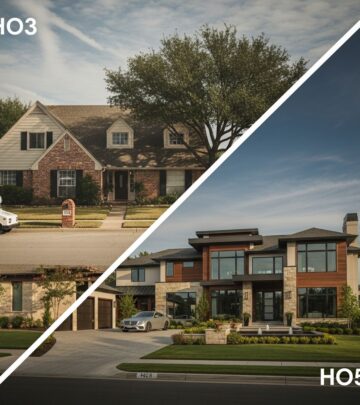
The HO-3 policy stands as the most common homeowners insurance type in the United States, accounting for more than 90 percent of all home insurance policies written. This widespread popularity reflects the balanced approach HO-3 policies take toward coverage and cost. An HO-3 policy covers your home’s structure, attached structures like garages, personal property, liability protection, additional living expenses, and medical payments for guests injured on your property.
A key distinguishing feature of HO-3 policies is their use of open-peril coverage for your home’s structure. Open-peril protection means your dwelling receives protection from all types of losses except those specifically excluded in your policy document. This comprehensive approach contrasts sharply with the named-peril coverage of HO-1 and HO-2 policies. However, personal belongings under an HO-3 policy receive named-peril coverage, protecting only against perils explicitly listed in your policy.
Typical exclusions from HO-3 policies include volcanic eruptions and water damage from plumbing or HVAC system overflow. Water heater damage is another common exclusion, though some carriers may offer this coverage as an add-on endorsement. Despite these exclusions, HO-3 policies provide the most balanced combination of comprehensive protection and reasonable premiums, making them the industry standard for homeowners with modern, owner-occupied properties.
HO-4 Insurance: Renters Insurance
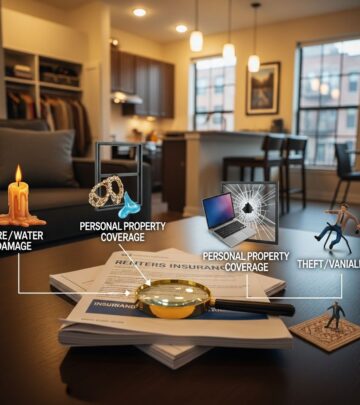
HO-4 policies, commonly known as renters insurance, serve a different market than policies designed for homeowners. This coverage type is specifically tailored for individuals who rent their living space rather than own it. An HO-4 policy covers your personal property—furniture, electronics, clothing, and other belongings you own—along with personal liability protection and loss of use coverage.
Renters insurance provides essential protection because landlords’ insurance covers only the building structure and the landlord’s property, not tenants’ personal possessions. By obtaining an HO-4 policy, renters protect themselves against financial loss if their belongings are damaged by fire, theft, or other covered perils. The liability portion of an HO-4 policy covers legal fees and medical expenses if someone is injured in your rental unit and sues you for damages.
HO-5 Insurance: Comprehensive Premium Coverage
An HO-5 policy represents the most comprehensive and extensive homeowners insurance option available, though it comes with a correspondingly higher price tag. This premium policy type provides open-peril coverage for both your home’s structure and your personal belongings, offering the broadest financial protection among all policy types. Where HO-3 policies limit personal property coverage to named perils, HO-5 policies extend open-peril protection to your possessions as well.
HO-5 policies typically include higher coverage limits, superior deductible options, and enhanced protection against multiple types of losses. This comprehensive approach makes HO-5 policies ideal for homeowners with valuable collections, expensive furnishings, or high-value personal property who want maximum financial protection. The trade-off for this extensive coverage is significantly higher annual premiums compared to HO-3 or HO-2 policies.
HO-6 Insurance: Condo Owner Coverage
HO-6 policies are specifically designed for condominium owners, addressing the unique insurance needs of condo living. A condominium differs fundamentally from a single-family home in terms of ownership structure and shared responsibility for building maintenance. HO-6 policies cover the interior structure of your condo unit from the studs inward, including interior walls, fixtures, and improvements you’ve made to the unit.
Condo association insurance covers the building’s exterior structure, common areas, and shared amenities. Your HO-6 policy complements this coverage by protecting your personal property, providing personal liability protection, covering guest medical payments, and protecting against loss of use. Understanding the division of responsibility between your HO-6 policy and your condominium association’s master policy is crucial for ensuring adequate protection and avoiding coverage gaps.
HO-7 Insurance: Mobile and Manufactured Home Coverage
HO-7 policies are tailored specifically for owners of mobile homes, manufactured homes, trailers, sectional homes, RVs, and modular homes. These non-permanent structures require specialized insurance protection because they differ significantly from traditional single-family homes in construction, mobility, and depreciation patterns. An HO-7 policy provides coverage comparable to an HO-3 policy but adapted to the unique characteristics of manufactured housing.
Coverage under an HO-7 policy includes your home’s structure, personal belongings, liability protection, additional living expenses, and medical payments for guests. However, mobile home owners should note that flood and earthquake coverage typically require separate purchase, as these perils are usually excluded from standard HO-7 policies. The specialized nature of manufactured housing makes HO-7 policies essential for mobile home owners seeking comprehensive financial protection.
HO-8 Insurance: Historic and Older Home Protection
HO-8 policies represent a specialized insurance solution for owners of older or historic homes. These properties often present unique insurance challenges because the cost to rebuild them frequently exceeds their current market value. Historic homes may incorporate rare materials, distinctive architectural features, or specialized construction methods that make repairs disproportionately expensive compared to the home’s market valuation.
Properties designated as historic landmarks often qualify for HO-8 coverage, as do older homes with uncommon design features and materials. If rebuilding your damaged home would cost substantially more than its current market value, an HO-8 policy may represent your most suitable option. This policy type recognizes the special value and reconstruction challenges of older properties, providing appropriate coverage for homes that don’t fit the standard homeowners insurance model.
Choosing Your Ideal Policy Type
Selecting the appropriate homeowners insurance policy requires evaluating your personal circumstances and coverage needs. Consider these guidelines when making your decision:
For modern homeowners: If you live in a relatively modern home that you own on a mortgage or outright, an HO-3 policy typically provides the best balance of comprehensive protection and reasonable cost. The open-peril coverage for your home’s structure combined with named-peril personal property coverage matches the needs of most homeowners effectively.
For renters: If you rent your living space, an HO-4 renters insurance policy should be your priority. This coverage protects your personal belongings and provides liability protection that your landlord’s insurance does not cover. Renters insurance is remarkably affordable while providing essential financial protection.
For mobile home residents: If you own a mobile or manufactured home, an HO-7 policy specifically designed for your property type will provide the most appropriate coverage. Standard single-family home policies won’t adequately address the unique characteristics of manufactured housing.
For condo owners: If you own a condominium, an HO-6 policy is specifically designed to complement your association’s master insurance policy. This coverage addresses the specific needs and limitations of condo ownership.
For historic home owners: If you own an older or historic home, evaluate whether an HO-8 policy better matches your property’s unique reconstruction needs and valuation challenges.
Open Peril vs. Named Peril Coverage
Understanding the distinction between open-peril and named-peril coverage is crucial for evaluating different policy types. Open-peril coverage protects your property from all losses except those specifically excluded in your policy. This broader protection means you receive coverage for unexpected perils without needing to verify that each specific peril was explicitly listed in your policy document.
Named-peril coverage takes the opposite approach, protecting you only from perils specifically listed in your policy. If a loss results from a peril not listed in your policy, you receive no coverage. While named-peril policies cost less than open-peril policies, they require you to anticipate and verify which perils you want to protect against before purchasing coverage.
The most common HO-3 policy uses a hybrid approach: open-peril coverage for your home’s structure and named-peril coverage for personal belongings. This combination balances comprehensive protection for your most valuable asset—your home—with more affordable protection for contents that you can more easily replace or relocate.
Standard Coverage Components
Most homeowners insurance policies include six primary coverage types, though the extent of coverage varies by policy type:
Dwelling Coverage: Also known as home structure coverage, this protects your home’s physical structure and attached structures like garages and patios.
Other Structures Coverage: This covers detached structures on your property, such as sheds, fences, and separate garages.
Personal Property Coverage: This protects your belongings inside and outside your home against covered perils.
Personal Liability Coverage: This covers legal expenses and damages if someone is injured on your property and sues you.
Medical Payments Coverage: This covers medical expenses for guests injured on your property, regardless of liability.
Additional Living Expenses: This covers temporary housing and other expenses if your home becomes uninhabitable due to a covered peril.
Endorsements and Additional Coverage Options
Beyond standard policy coverage, insurers offer endorsements and add-ons that provide specialized protection for specific needs. Scheduled personal property coverage protects expensive items like jewelry, art, or electronics with individual limits higher than your standard policy provides. Sewer backup coverage protects against damage from sewer system backups, a peril often excluded from standard policies.
Flood coverage and earthquake coverage are rarely available as policy add-ons and typically must be purchased as separate policies. If you live in a flood-prone area or earthquake zone, investigate separate policies specifically designed for these perils to ensure you have adequate protection.
Factors Influencing Policy Selection and Cost
Your homeowners insurance premiums depend on numerous factors beyond simply choosing a policy type. Coverage limit levels significantly impact your premium—higher coverage limits result in higher premiums. The type of home, its age, construction materials, and location all influence pricing. Your credit history affects premiums in many states, as insurers consider credit scores an indicator of claim likelihood. Recent claims history and the number of years you’ve maintained continuous coverage also impact your rates.
According to recent data, the average annual homeowners insurance cost in the United States is approximately $2,466 per year, though individual premiums vary widely based on these factors and your specific coverage selections.
Frequently Asked Questions About Homeowners Insurance Types
Q: What is the most common type of homeowners insurance?
A: The HO-3 policy is the most common homeowners insurance type, accounting for more than 90 percent of all home insurance policies written in the United States. It provides balanced coverage for homeowners with modern, owner-occupied properties.
Q: Do all homeowners insurance policies include the same coverage?
A: No, homeowners insurance policies vary significantly depending on the insurance provider, policy type selected, and additional endorsements added. An HO-3 policy includes different coverage than an HO-6 or HO-8 policy. Check your policy’s declarations page to see exactly what coverage types are included in your specific policy.
Q: What is the difference between open-peril and named-peril coverage?
A: Open-peril coverage protects you from all losses except those specifically excluded in your policy, while named-peril coverage only protects you from perils explicitly listed in your policy. Open-peril coverage is broader but typically more expensive.
Q: Should renters purchase homeowners insurance?
A: Yes, renters should purchase HO-4 renters insurance. Your landlord’s insurance covers the building structure only, not your personal belongings or liability. Renters insurance is affordable and provides essential financial protection for your possessions.
Q: Is HO-3 coverage sufficient for all homeowners?
A: HO-3 coverage works well for most homeowners with modern, owner-occupied homes. However, if you have high-value belongings, own a historic home, live in a condo, or own a mobile home, you may need a different policy type designed specifically for your situation.
Q: What perils are typically excluded from homeowners insurance?
A: Common exclusions include volcanic eruptions, water damage from plumbing or HVAC overflow, and water heater damage. Flood and earthquake damage are typically not covered under standard homeowners policies and require separate coverage.
References
- Types of Homeowners Insurance | Bankrate — Bankrate. 2025-11-29. https://www.bankrate.com/insurance/homeowners-insurance/types-of-homeowners-insurance/
- What Does Homeowners Insurance Cover? | Bankrate — Bankrate. 2025-11-29. https://www.bankrate.com/insurance/homeowners-insurance/what-does-homeowners-insurance-cover/
- Guide to home insurance: coverage basics and definitions – Bankrate — Bankrate. 2025-11-29. https://www.bankrate.com/insurance/homeowners-insurance/home-insurance-guide/
- What is homeowners insurance and how does it work? – Bankrate — Bankrate. 2025-11-29. https://www.bankrate.com/insurance/homeowners-insurance/what-is-homeowners-insurance/
- Factors That Impact Your Cost of Homeowners Insurance | Bankrate — Bankrate. 2025-11-29. https://www.bankrate.com/insurance/homeowners-insurance/factors-that-impact-home-insurance-rates/
Similar Articles








Read full bio of medha deb