Types Of Credit Cards: Complete Guide To Best Uses
Discover the diverse world of credit cards and select the perfect one to match your financial goals and spending habits.
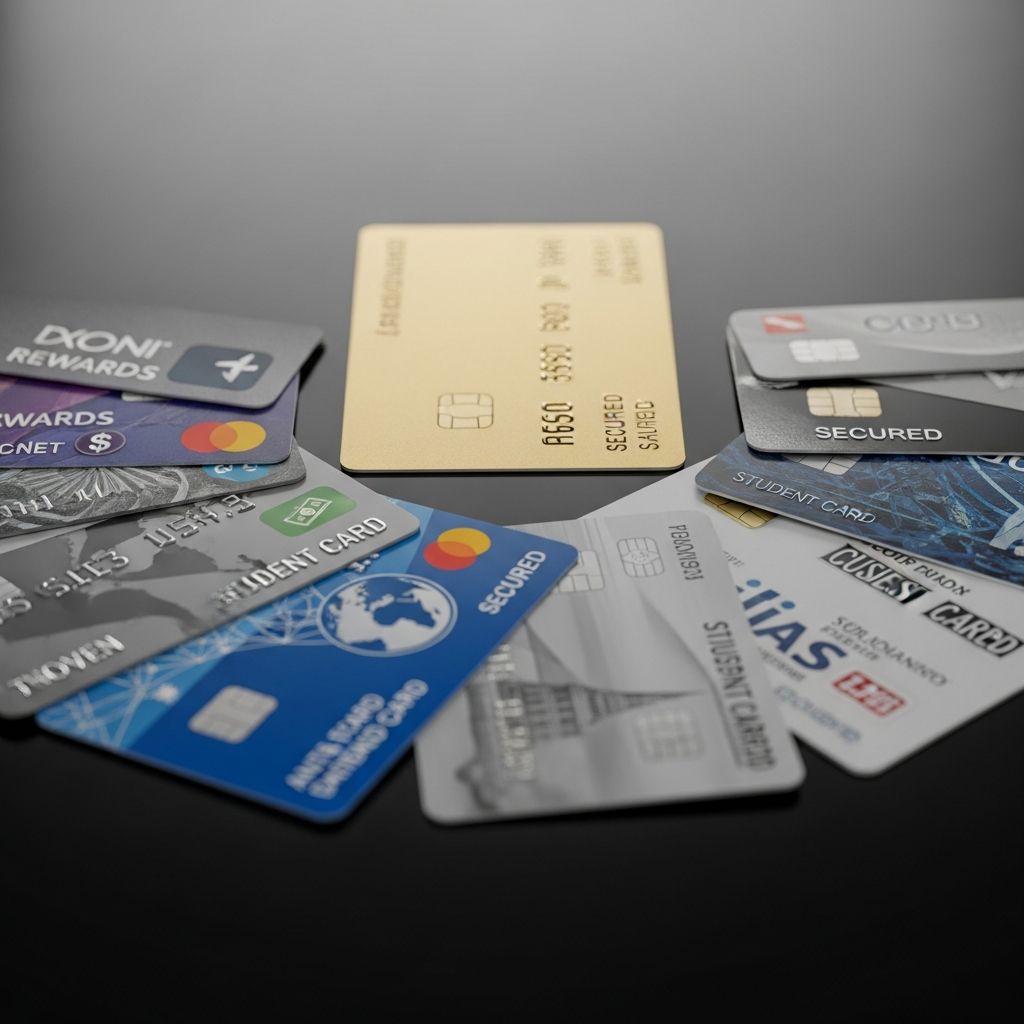
Credit cards serve as versatile financial tools, offering everything from rewards on daily purchases to pathways for establishing credit history. With numerous options available, selecting the right one depends on individual spending patterns, financial objectives, and credit profile. This guide delves into the primary categories, highlighting their features, advantages, and ideal users to empower informed decision-making.
Understanding Rewards Credit Cards
Rewards credit cards stand out by providing incentives for everyday spending, turning routine transactions into valuable perks. These cards typically fall into subcategories like cash-back, travel, and points-based programs, each designed to appeal to specific consumer behaviors.
Cash-Back Options for Everyday Spending
Cash-back cards return a portion of purchases directly as money, either at a consistent rate across all spending or elevated rates in targeted areas. Flat-rate cards deliver simplicity, often yielding 1.5% to 2% on every dollar spent, making them suitable for those who prefer straightforward earnings without tracking categories.
Tiered cash-back cards boost returns in popular spending zones such as groceries, gas, or dining, sometimes offering 3% or more in bonus categories alongside a base rate elsewhere. This structure rewards focused spenders, like frequent grocery shoppers, by aligning higher rewards with their habits.
- Flat-rate example: Unlimited 2% back on all purchases with no annual fee.
- Tiered example: 3% on dining and groceries up to a quarterly cap, then 1% thereafter.
- Rotating bonuses: Elevated rates in changing categories each quarter, requiring activation for maximum value.
Travel and Points Rewards
Travel rewards cards cater to frequent flyers and road warriors, accumulating miles or points redeemable for flights, hotels, or other trips. General travel cards provide flexibility, earning points on broad purchases that convert to various travel expenses.
Co-branded cards partner with airlines or hotels, offering enhanced earnings on partner spending and perks like free checked bags or priority boarding. Points cards accumulate flexible rewards redeemable for travel, merchandise, or cash equivalents, broadening appeal beyond strict travel use.
| Card Type | Key Benefit | Best For |
|---|---|---|
| Flat Cash-Back | Simple, unlimited rewards | General spenders |
| Tiered Cash-Back | Bonus categories | Category-specific users |
| Travel Rewards | Miles/points for trips | Frequent travelers |
Low-Interest and Balance Transfer Cards
For those managing existing debt or planning large purchases, low-interest and balance transfer cards prioritize cost savings over rewards. These minimize interest accrual, aiding quicker debt reduction.
Low-interest cards feature below-average APRs, ideal for carrying balances month-to-month without excessive fees. They suit users unable to pay off fully each cycle, reducing long-term costs compared to standard cards.
Balance transfer cards shine with 0% introductory APR periods, often 12-21 months, on transferred balances or new purchases. This window allows interest-free payoff, though transfer fees (3-5%) apply, and standard rates resume post-promo.
- Transfer existing high-interest debt to consolidate payments.
- Use for financing big buys like appliances without immediate full payment.
- Plan payoff within intro period to avoid retroactive interest.
Secured and Credit-Building Cards
Secured cards require a refundable deposit matching the credit limit, serving as collateral for issuers. They provide access for those with limited or poor credit, fostering responsible use to build history.
Over time, on-time payments can lead to deposit refunds and unsecured card upgrades. Some secured options even include rewards, blending accessibility with benefits.
Other credit-builders include starter unsecured cards for beginners, focusing on basic features without high fees to encourage good habits.
Student and Young Adult Credit Cards
Student cards target college attendees or recent graduates, often with lenient approval criteria based on future income potential rather than established history. They promote early financial responsibility with modest limits and educational tools.
Features may include rewards on campus spending like dining or books, alongside credit monitoring to guide users toward strong profiles.
Business and Retail-Specific Cards
Business cards separate professional expenses, offering higher limits, employee cards, and rewards on office supplies or travel. Approval hinges on business revenue, not personal credit alone.
Store cards, or co-branded retail options, provide discounts and financing at specific merchants but often carry high APRs outside promo periods. Best for loyal shoppers financing occasional big-ticket items.
Choosing Your Ideal Credit Card
Assess spending habits, payment discipline, and goals: rewards for payers-in-full, low-interest for debt managers, secured for builders. Compare APRs, fees, and perks using tools from issuers or comparison sites.
- Pay balances fully to leverage rewards without interest.
- Avoid overspending; treat cards as payment tools, not loans.
- Monitor credit utilization below 30% for optimal scores.
Frequently Asked Questions
What is the best credit card for beginners?
Secured or student cards offer accessible entry points with lower risks and credit-building focus.
Do rewards cards have annual fees?
Many no-fee options exist, but premium cards with fees often offset via high rewards value.
How do balance transfers work?
Transfer debt to a 0% APR card; pay during intro period to save on interest, mindful of fees.
Can secured cards offer rewards?
Yes, some provide cash-back while aiding credit improvement.
What’s the difference between points and miles?
Points are flexible; miles tie to airlines, redeemable for flights.
Key Considerations for Card Management
Beyond type selection, maintain low utilization, timely payments, and periodic reviews. Diversify cards strategically: one for rewards, another for travel. Regularly check statements for errors and unauthorized charges.
Credit cards evolve with market trends; issuers introduce innovations like enhanced digital wallets or sustainable rewards. Stay informed via reputable financial resources to adapt your portfolio.
References
- 3 Major Types of Credit Cards — NerdWallet. 2023-10-15. https://www.nerdwallet.com/credit-cards/learn/types-of-credit-cards
- Different Types Of Credit Cards — Bankrate. 2024-05-20. https://www.bankrate.com/credit-cards/advice/different-types-of-credit-cards/
- Know the Different Types of Credit Cards — Huntington Bank. 2024-02-10. https://www.huntington.com/learn/credit-debt/types-of-credit-cards
- What Are The Types of Credit Cards — TD Bank. 2023-11-05. https://www.td.com/us/en/personal-banking/learning/types-of-credit-cards
- Different Types of Credit Cards — Capital One. 2024-01-12. https://www.capitalone.com/learn-grow/money-management/types-of-credit-cards/
- 7 Different Types of Credit Cards — Experian. 2023-09-18. https://www.experian.com/blogs/ask-experian/what-are-the-different-types-of-credit-cards/
Similar Articles








Read full bio of Sneha Tete