Types of Credit Cards Explained
Discover the diverse world of credit cards and select the perfect one to match your financial lifestyle and goals.

Credit cards come in numerous varieties, each tailored to specific consumer needs such as earning rewards, building credit history, or managing debt. Selecting the appropriate type involves evaluating your spending patterns, credit profile, and long-term financial objectives. This guide delves into the primary categories, highlighting their features, ideal users, and key considerations to empower informed decisions.
Understanding Credit Card Fundamentals
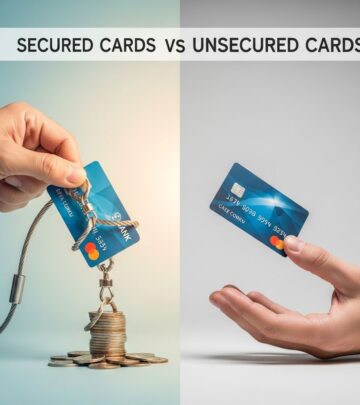
At their core, credit cards function as revolving lines of credit, allowing borrowers to make purchases up to a set limit and repay over time, typically with interest if balances carry forward. Cards differ fundamentally in structure: some require collateral like deposits, while others rely solely on creditworthiness assessments. Major issuers categorize them based on rewards structures, target audiences, and usage purposes, enabling consumers to align products with lifestyles ranging from frequent travel to everyday budgeting.
Key factors influencing card suitability include annual fees, interest rates (APRs), reward earning rates, and perks like purchase protection or travel insurance. For instance, those with strong credit scores often qualify for premium unsecured options, whereas beginners may start with secured variants to establish reliability.
Rewards-Oriented Credit Cards
Rewards cards stand out for providing value back on spending through points, miles, or cash equivalents. These appeal to disciplined users who pay balances in full monthly to avoid interest eroding gains. Subtypes vary by redemption flexibility and earning mechanisms.
Cash Back Options
Cash back cards deliver straightforward rebates, often as percentages of purchases redeemable via checks, deposits, or statement credits. Flat-rate versions offer uniform returns across all spending, simplifying tracking, while tiered models boost yields in areas like groceries or gas. For example, everyday purchases might yield 1-2% back universally, with bonuses up to 5% in select categories.
- Flat-rate cards: Ideal for simplicity, earning consistent rewards without category management.
- Bonus category cards: Maximize returns for high-spend areas like dining or streaming services.
- Rotating categories: Offer elevated rates quarterly, requiring activation for optimal use.
Best suited for budget-conscious spenders seeking tangible, versatile rewards without complex point valuations.
Travel and Points Rewards
Travel cards accumulate miles or points redeemable for flights, hotels, or related expenses, often with elite perks like lounge access or baggage fee waivers. Points-based cards provide broader flexibility, transferable to airline partners or convertible to cash equivalents. High earners in travel categories can see outsized value, especially with sign-up bonuses.
These cards frequently carry annual fees offset by credits for incidentals like Global Entry applications. Frequent flyers benefit most, as mile valuations fluctuate based on redemption options.
Low-Interest and Debt Management Cards
Designed for debt consolidation or carrying balances, low-interest cards feature competitive APRs or promotional 0% periods. Balance transfer variants allow migrating high-rate debt to introductory no-interest windows, typically 12-21 months, aiding payoff strategies.
Users with existing debt or variable cash flow prioritize these over rewards-focused products. Post-promo rates revert to standard levels, so full repayment planning is essential. Some include purchase 0% APRs for large buys like appliances.
| Card Type | Key Feature | Ideal For | Potential Drawback |
|---|---|---|---|
| Low APR | Ongoing reduced interest | Long-term balancers | May lack rewards |
| Balance Transfer | 0% intro period | Debt consolidation | Transfer fees (3-5%) |
Credit-Building Cards for Beginners
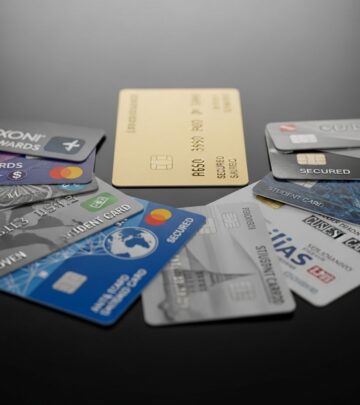
Secured cards require upfront deposits matching credit limits, serving as collateral and lowering issuer risk. Approval odds rise for those with limited or poor histories, reporting payments to bureaus to foster scores.
Responsible use—timely payments, low utilization—can lead to deposit refunds or upgrades to unsecured versions within months. Some now offer rewards, blending accessibility with benefits.
Student and Starter Cards
Student cards target college-aged applicants with minimal history, often unsecured with lower limits. They build habits early, though higher fees may apply. Starter unsecured options suit young adults or rebuilders post-setbacks.
Specialized Cards for Businesses and Retail
Business cards separate professional expenses, offering higher limits, employee cards, and tax-friendly rewards. Approval hinges on business revenue, not personal scores alone.
Store or co-branded cards tie to merchants like airlines or retailers, delivering steep discounts there but limited elsewhere. Useful for loyal shoppers, risky for generalists due to high APRs.
Charge Cards: Pay-In-Full Models
Unlike revolving cards, charge cards demand full monthly settlement, suiting high earners with steady inflows. Premium versions provide concierge services and extensive protections, no preset limits based on spending history.
How to Choose Your Ideal Credit Card
Assess credit score first: excellent (740+) unlocks top rewards; fair (580-669) suits secured/starter. Review spending: travel-heavy? Opt for miles. Debt-focused? Low APR. Calculate net value: rewards minus fees/interest.
- Compare APRs, fees, rewards rates via issuer sites.
- Check sign-up bonuses against spending capacity.
- Consider impacts on credit utilization and inquiries.
Multiple cards can complement: pair flat cash back with travel specialists.
Frequently Asked Questions
What credit card is best for building credit?
Secured or student cards report activity reliably, prioritizing low utilization and on-time payments.
Are rewards cards worth annual fees?
Yes, if perks exceed costs; calculate via effective rewards value.
How do cash back and points differ?
Cash back offers fixed dollar value; points vary by redemption.
Can I have multiple card types?
Absolutely, diversifying maximizes benefits across categories.
What if I have bad credit?
Start secured; improve habits for unsecured upgrades.
Mastering credit card types enhances financial control, turning plastic into a tool for growth rather than burden. Regularly review options as needs evolve.
References
- Exploring the Types of Credit Cards — College Ave. 2025. https://www.collegeave.com/articles/exploring-the-types-of-credit-cards/
- Different Types of Credit Cards, Explained — Chase Bank. 2025. https://www.chase.com/personal/credit-cards/education/basics/types-of-credit-cards
- Your Guide to the Different Types of Credit Cards — American Express. 2025. https://www.americanexpress.com/en-us/credit-cards/credit-intel/types-of-credit-cards/
- What Are The Types of Credit Cards — TD Bank. 2025. https://www.td.com/us/en/personal-banking/learning/types-of-credit-cards
- 7 Different Types of Credit Cards — Experian. 2025. https://www.experian.com/blogs/ask-experian/what-are-the-different-types-of-credit-cards/
- Different Types of Credit Cards — Capital One. 2025. https://www.capitalone.com/learn-grow/money-management/types-of-credit-cards/
Similar Articles








Read full bio of medha deb