Types Of Bank Accounts: 7 Options And How To Choose
Discover the essential bank accounts for managing daily finances, building savings, and achieving long-term goals with expert insights.
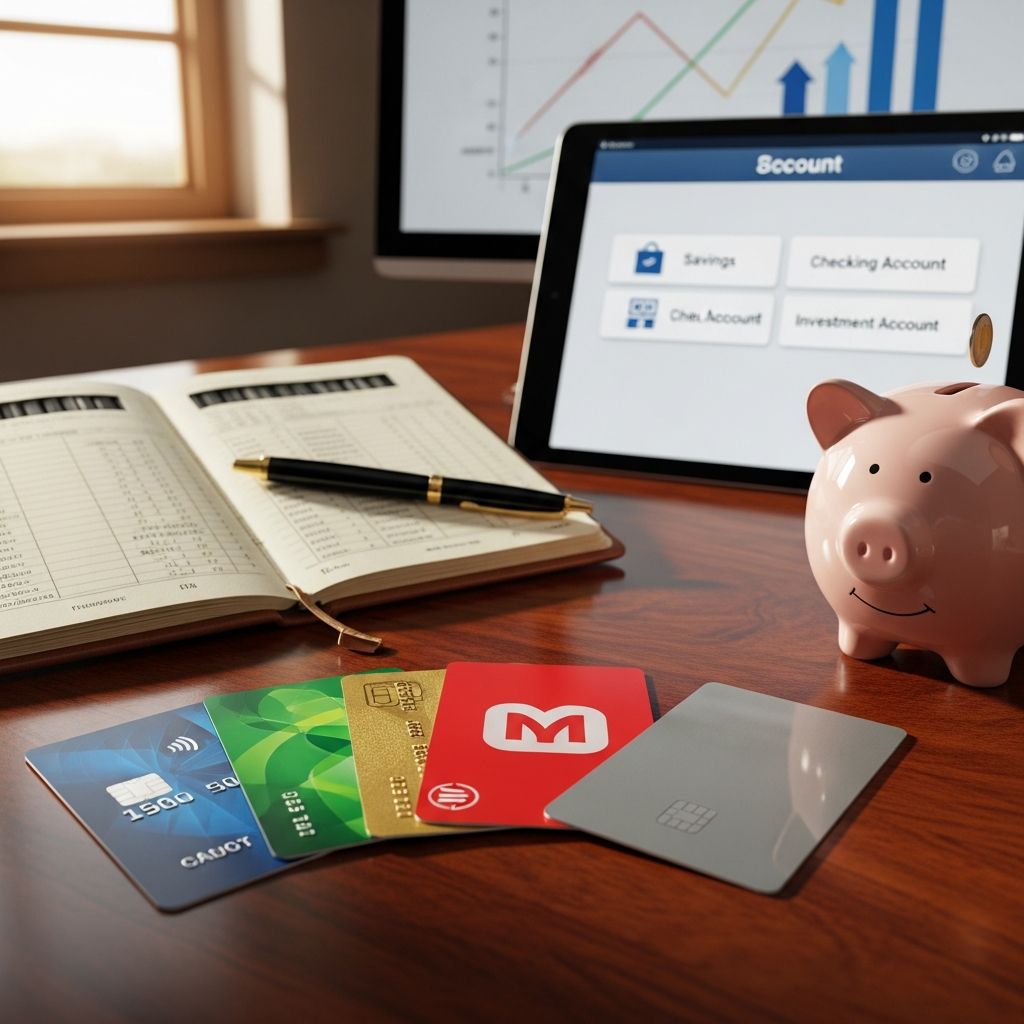
Bank accounts form the foundation of personal finance, enabling secure storage, easy transactions, and growth of funds through interest. Understanding the distinctions between various account types helps individuals select options that align with their spending habits, saving objectives, and investment tolerance. This guide examines primary categories, their functionalities, and strategic applications to empower informed banking decisions.
Foundational Accounts for Everyday Financial Management
Core bank accounts cater to immediate needs like bill payments and cash access while providing stability through federal insurance. The Federal Deposit Insurance Corporation (FDIC) protects deposits up to $250,000 per depositor, per insured bank, for most account types, ensuring principal safety.
Checking Accounts: Your Daily Transaction Center
Designed for frequent use, checking accounts facilitate seamless deposits, withdrawals, and transfers. Direct deposit from employers streamlines payroll receipt, while debit cards, checks, and digital payments support purchases and bill settlements. Though interest rates are minimal, often near zero, their liquidity makes them indispensable for operational cash flow.
- Accessibility: ATM withdrawals, mobile apps, and online transfers available 24/7.
- Fees to Watch: Monthly maintenance, overdraft, or out-of-network ATM charges; many waive these with minimum balances or direct deposits.
- Variations: Free checking for students or seniors, premium accounts with rewards like cash back on debit spends.
Ideal for active budgets, these accounts prevent mingling savings with routine outflows, promoting disciplined spending.
Savings Accounts: Building a Safety Net
Savings accounts prioritize preservation and modest growth, earning interest on balances while restricting transactions to encourage accumulation. Federal regulations historically capped withdrawals at six per month, though recent changes by the FDIC have relaxed this for many institutions.
- Interest Earnings: Traditional rates hover below 0.5%, but high-yield online versions exceed 4% APY as of recent data.
- Purpose: Emergency funds covering 3-6 months of expenses or targeted goals like vacations.
- Access Tools: ATM cards or transfers, without check-writing privileges.
High-yield options from online banks leverage lower overhead for competitive rates, outperforming brick-and-mortar counterparts.
Enhanced Yield Options for Savvy Savers
Beyond basics, hybrid and fixed-term accounts blend accessibility with superior returns, suiting those comfortable with balance requirements or time commitments.
Money Market Accounts: Bridging Liquidity and Returns
Money market accounts (MMAs) merge savings interest with checking conveniences, often requiring higher minimums for tiered rates that rise with balance size. They offer debit cards and limited checks, balancing usability and yield.
| Feature | MMA | Standard Savings | Checking |
|---|---|---|---|
| Interest Rate | Higher (1-4% APY) | Low to High-Yield | Minimal |
| Transaction Limits | 6/month | 6/month | Unlimited |
| Minimum Balance | $1,000-$10,000 | $0-$100 | Varies |
| Access Methods | Debit/Check | Transfers/ATM | Full Suite |
MMAs suit mid-term parking of funds, like home down payments, where moderate access suffices.
Certificates of Deposit: Locked-In Growth
Certificates of deposit (CDs) commit funds for fixed terms (3 months to 5 years), yielding guaranteed rates immune to market dips. Early withdrawals incur penalties, enforcing discipline for known timelines.
- Term Strategies: Ladder multiple CDs with staggered maturities for liquidity and rate capture.
- Rate Environment: Longer terms reward in rising rate periods; shop brokered CDs for best yields.
- Insurance: FDIC-backed, like other deposits.
Perfect for post-retirement nests or vehicle purchases, CDs provide predictability absent in variable-rate accounts.
Specialized Accounts for Unique Needs
Banks offer tailored variants addressing life stages, digital preferences, or combined functionalities.
High-Yield and Online Savings: Digital Maximization
Online-only savings accounts dominate yield charts, free from branch costs. They integrate with apps for automated transfers, goal trackers, and round-up savings from purchases.
Surveys indicate 23% of users prefer these for superior APYs, often 10x traditional banks.
Hybrid Checking-Savings: All-in-One Convenience
Some fintechs fuse checking liquidity with savings rates, minimizing account juggling. These support unlimited transactions alongside interest, ideal for streamlined management.
Investment-Linked Accounts: Beyond Deposits
Brokerage cash accounts hold uninvested funds, sometimes sweeping into MMAs for yield. True brokerage accounts enable stocks, bonds, and funds, introducing growth potential with volatility.
For wealth building, pair deposit accounts with retirement vehicles like IRAs, which may house CDs or MMAs internally.
Selecting the Right Combination for Your Finances
Optimal setups often include multiple accounts: checking for operations, savings for buffers, MMAs/CDs for yields, and investments for expansion. Evaluate based on:
- Fees vs. Rewards: Zero-fee online banks vs. relationship perks at locals.
- Digital Tools: Apps for budgeting, alerts, and auto-saves.
- Institution Type: Banks for branches, credit unions for member rates, online for yields.
Current trends favor digital platforms with APYs above 4%, per recent benchmarks.
Frequently Asked Questions
What distinguishes checking from savings accounts?
Checking emphasizes unlimited transactions for daily use with low/no interest; savings limits outflows to foster growth via interest accrual.
Are money market accounts safer than checking?
Both FDIC-insured equally; MMAs offer higher yields but may have withdrawal caps and minimums.
Which account maximizes interest earnings?
High-yield savings or CDs currently lead, depending on access needs and term commitment.
Can I open multiple account types at once?
Yes, diversifying across types optimizes liquidity, security, and returns.
How do CDs handle early withdrawals?
Penalties typically forfeit interest; some no-penalty CDs exist for flexibility.
Navigating Fees, Regulations, and Future Trends
Avoid common pitfalls like overdraft fees by enabling alerts or linking savings. Post-2020 regulatory shifts ended rigid six-transaction limits, enhancing flexibility. Emerging trends include AI-driven personalization and embedded finance in apps, promising smarter account management.
For families, joint accounts streamline sharing; trusts suit estate planning. Businesses mirror personal types with commercial twists.
In summary, aligning accounts with goals—transactional, protective, or growth-oriented—fortifies financial health. Regularly review rates and features, as competitive banking evolves rapidly.
References
- Understanding the Different Types of Bank Accounts — SoFi. 2023. https://www.sofi.com/learn/content/different-types-of-bank-accounts/
- The Most Common Types of Bank Accounts — Affinity Federal Credit Union. 2024. https://www.affinityfcu.com/financial-wellbeing/blog/personal-banking/the-most-common-types-of-bank-accounts
- Understanding Different Types of Bank Accounts | Beginners Guide — YouTube (MidPenn Bank). 2023-02-15. https://www.youtube.com/watch?v=O4-MtfawzAY
- Understanding the Four Types of Bank Accounts — MidPenn Bank. 2024. https://midpennbank.com/understanding-the-four-types-of-banking-accounts/
- Understanding the Different Types of Bank Accounts — PNC Insights. 2024. https://www.pnc.com/insights/personal-finance/spend/types-of-bank-accounts.html
Similar Articles








Read full bio of Sneha Tete