Types of Bank Accounts
Discover the essential bank accounts for managing daily finances, building savings, and growing your money securely.
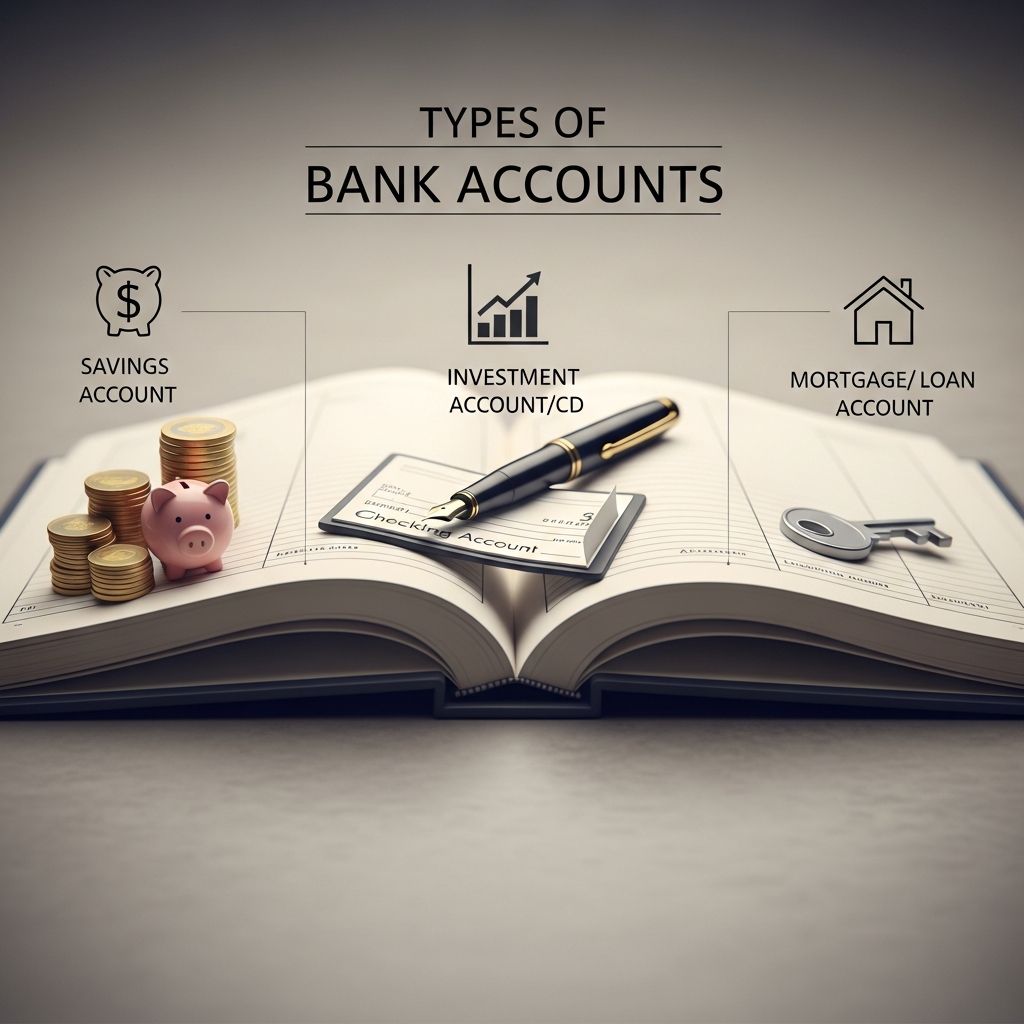
Navigating the world of banking starts with understanding the core account options available. Financial institutions offer distinct products tailored to various needs, from handling everyday transactions to securing long-term growth. This guide breaks down the primary categories, helping you select accounts that align with your lifestyle and objectives.
Essential Banking Accounts for Everyday Needs
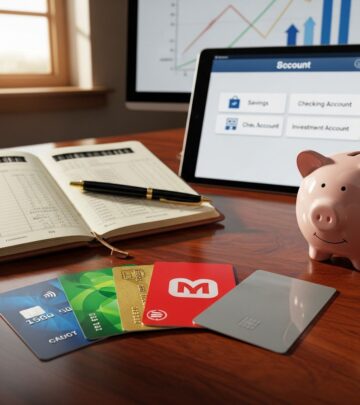
Bank accounts serve as the foundation of personal finance management. They provide secure, insured places to store money while offering tools for spending, saving, and earning interest. Federal protections like FDIC insurance for banks and NCUA coverage for credit unions safeguard deposits up to $250,000 per depositor, per institution. Choosing the right combination can streamline your finances and maximize returns.
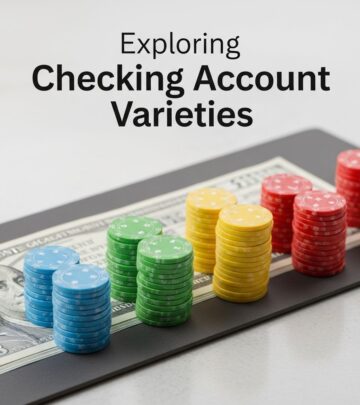
Checking Accounts: Your Go-To for Daily Transactions
Designed for frequent access, checking accounts function as the central hub for income deposits and routine expenditures. Direct deposits from employers land here, and you withdraw funds via debit cards, checks, ATM machines, or digital payments. These accounts prioritize liquidity over earnings, with most offering little to no interest.
Opening one is straightforward, often requiring minimal or no initial deposit. Traditional banks, credit unions, and online providers all offer them, with online options frequently featuring lower fees and user-friendly apps for monitoring activity. Some variants pay modest interest if you maintain higher balances or meet activity thresholds.
- Unlimited transactions: No caps on deposits, withdrawals, or payments, ideal for bills and purchases.
- Access tools: Debit cards, checkbooks, mobile wallets, and online transfers.
- Fee considerations: Watch for monthly maintenance, overdraft, or out-of-network ATM charges; many waive these with direct deposits.
Premium versions might include perks like free wires or cash back, suiting those with steady inflows. For beginners or families, basic checking builds financial habits without complexity.
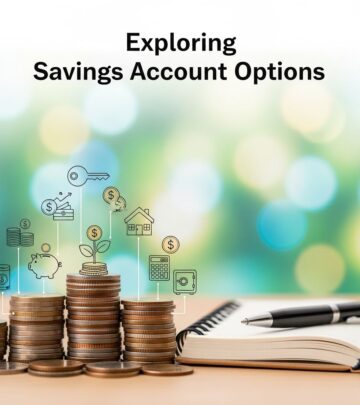
Savings Accounts: Building Security and Habits
Savings accounts encourage disciplined money set-asides for emergencies, vacations, or upcoming expenses. They earn interest, allowing balances to compound over time, though rates are modest—often around 0.02% for standard types, higher for online high-yield options. Regulations limit certain withdrawals to six per month, promoting retention.
These accounts complement checking by separating spending from saving funds. Automatic transfers from checking can automate growth, and many include ATM access for emergencies. Minimum balances vary, but online banks often eliminate them while boosting APYs.
| Feature | Standard Savings | High-Yield Savings |
|---|---|---|
| Interest Rate | Low (e.g., 0.02%) | Higher (varies by market) |
| Minimum Balance | $100–$300 | Often $0 |
| Best For | Basic emergency funds | Growing savings efficiently |
High-yield accounts from digital banks shine for parking cash not needed immediately, outpacing inflation better than traditional ones. They’re perfect for short-term goals like car repairs or holidays.
Money Market Accounts: Balancing Access and Growth
Money market accounts (MMAs) merge checking flexibility with savings-level interest, appealing to those wanting more from idle funds. Rates typically exceed standard savings, especially on tiered balances where larger amounts yield better returns. Like savings, they cap withdrawals at six monthly, but often include debit cards or checks.
Higher minimums—sometimes thousands—apply, making MMAs suitable for substantial savings. They’re insured like other deposit accounts. Banks may offer check-writing or ATM access, with limits to preserve the savings focus.
- Higher yields: Competitive APYs on elevated balances.
- Limited transactions: Six per month for transfers or checks.
- Ideal scenarios: Down payments, education funds, or excess cash earning more than basic savings.
Compared to CDs, MMAs provide liquidity without term locks, though yields fluctuate with markets. They’re a step up for savers eyeing moderate access.
Certificates of Deposit: Locking In Guaranteed Returns
Certificates of deposit (CDs) require committing funds for a fixed period—from months to years—in exchange for a locked interest rate. No early withdrawals without penalties make them for money you won’t touch soon. Rates beat savings and checking, especially in rising environments, with longer terms paying more.
Brokered CDs from investment firms offer additional options like no-penalty variants or ladders for staggered maturities. Banks provide traditional ones, all FDIC-insured. Minimums range from $500 to $10,000+.
| Term Length | Typical APY Range | Best Use |
|---|---|---|
| 3–6 months | Lower | Short-term parking |
| 1 year | Moderate | Medium goals |
| 5+ years | Highest | Long-term security |
CD ladders—dividing sums across maturities—hedge rate changes while providing periodic access. They’re reliable for conservative growth.
Comparing Accounts Side-by-Side
Selecting accounts hinges on liquidity, returns, and access. Here’s a quick overview:
| Account | Liquidity | Interest | Min Balance | Transaction Limits |
|---|---|---|---|---|
| Checking | High | Low/None | Low | None |
| Savings | Medium | Low-Moderate | Low-Medium | 6/month |
| MMA | Medium | Moderate-High | Medium-High | 6/month |
| CD | Low | High (fixed) | Medium | Penalties |
This matrix highlights trade-offs: more access means less earning potential.
Hybrid and Specialized Options
Modern banking introduces hybrids blending checking and savings traits. Online banks provide high-APY accounts with debit access, fewer fees, and tools like budgeting dashboards. These simplify by consolidating functions.
Specialty accounts target niches: student checking with no fees, senior high-yield savings, or business variants. Always verify insurance and terms.
Strategies for Optimizing Your Banking Setup
Pair a no-fee checking with high-yield savings for daily use and growth. Move surplus to MMAs or CDs based on timelines. Automate transfers to enforce discipline. Shop online banks for top rates, as they pass overhead savings to customers. Review annually, as rates shift.
Diversify across institutions to maximize FDIC coverage. Use apps for insights into spending patterns, enhancing control.
Frequently Asked Questions
What are the primary types of bank accounts?
Checking for transactions, savings for reserves, money market for hybrid yields, and CDs for term-based growth.
Which account earns the most interest?
CDs offer fixed high rates, followed by MMAs and high-yield savings; checking earns least.
Are all accounts federally insured?
Yes, up to $250,000 at FDIC/NCUA institutions.
Can I access savings funds anytime?
Limited to six convenient transactions monthly; ATMs may count differently.
What’s a high-yield savings account?
Online savings with superior APYs and low/no minimums.
Key Takeaways for Smart Banking
Match accounts to purposes: fluid for spending, restricted for earning. Leverage online options for efficiency. Regular reviews ensure your setup evolves with needs. This approach builds wealth steadily.
References
- Understanding the Different Types of Bank Accounts — SoFi. 2023. https://www.sofi.com/learn/content/different-types-of-bank-accounts/
- The Most Common Types of Bank Accounts — Affinity Federal Credit Union. 2023. https://www.affinityfcu.com/financial-wellbeing/blog/personal-banking/the-most-common-types-of-bank-accounts
- Understanding The Different Types Of Bank Accounts — Bankrate. 2024-01-15. https://www.bankrate.com/banking/types-of-bank-accounts/
- Understanding the Four Types of Bank Accounts — Mid Penn Bank. 2023. https://midpennbank.com/understanding-the-four-types-of-banking-accounts/
- Types of Bank Accounts — TD Bank. 2024. https://www.td.com/us/en/personal-banking/learning/types-of-bank-accounts
- Understanding the Different Types of Bank Accounts — PNC Insights. 2023. https://www.pnc.com/insights/personal-finance/spend/types-of-bank-accounts.html
Similar Articles








Read full bio of medha deb