Turo Host Review: Pros, Cons & Earnings Potential
Complete guide to becoming a Turo host: understand earning potential, insurance coverage, and platform requirements.

Turo Host Review: A Comprehensive Guide to Car Sharing Income
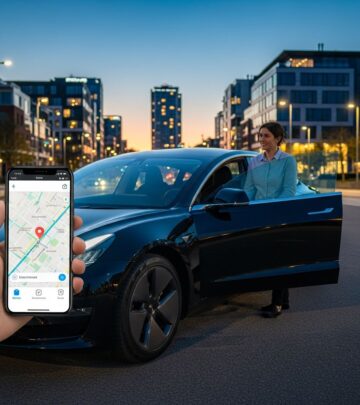
In today’s sharing economy, finding ways to monetize underutilized assets has become increasingly popular. One platform that has gained significant traction is Turo, a peer-to-peer car-sharing marketplace that allows vehicle owners to rent out their cars to earn additional income. As a Turo host, you list your vehicle on the platform much like you would list property on Airbnb, creating a relatively straightforward way to generate revenue from a car that might otherwise sit idle in your driveway.
This comprehensive guide explores what it means to be a Turo host, examining the earning potential, insurance protections, platform requirements, and how this opportunity compares to other car-sharing alternatives. Whether you’re considering renting out your primary vehicle or purchasing cars specifically for Turo, understanding the full picture is essential before getting started.
How Turo Works for Hosts
Turo operates on a straightforward model that mirrors traditional car rental services but leverages peer-to-peer interactions. When you become a Turo host, you create a listing for your vehicle that includes photos, description, availability calendar, and rental price. Potential guests browse available vehicles in their area and book the cars that best suit their needs.
The platform handles much of the logistics, including guest vetting, payment processing, and dispute resolution. However, hosting on Turo is not entirely passive. You’ll need to communicate with renters, maintain your vehicle in excellent condition, ensure your listing remains accurate and competitive, and handle other host responsibilities. This semi-active approach differentiates Turo from purely passive income streams while remaining less labor-intensive than driving for rideshare services or delivering for food services.
Turo Host Earnings and Revenue Structure
One of the primary attractions of becoming a Turo host is the earning potential. Turo’s revenue split is among the most competitive in the car-sharing industry. Hosts can keep up to 90% of gross receipts from their bookings, significantly higher than many competitors. This generous commission structure means that if you price your vehicle appropriately and maintain good availability, you can generate substantial income.
The actual amount you earn depends on several factors including your vehicle’s demand, location, condition, pricing strategy, and how frequently it’s booked. Successful Turo hosts in major metropolitan areas report monthly earnings ranging from several hundred to several thousand dollars, depending on the vehicle type and market conditions. Some hosts have successfully covered their car payments and insurance costs while generating additional profit.
Pricing flexibility is a key advantage. You set your own daily rental rate, allowing you to adjust based on demand, seasonality, local events, and competition. Premium or luxury vehicles typically command higher daily rates, while economy cars may attract more frequent bookings at lower price points. Strategic pricing combined with excellent guest reviews can maximize your earning potential.
Insurance Coverage and Protection
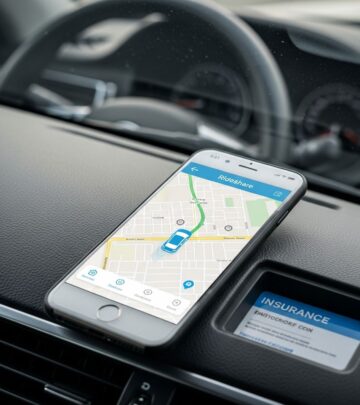
Understanding insurance coverage is critical for any Turo host. Turo provides comprehensive insurance protection that covers guests while they’re renting your vehicle, but hosts need to understand the details of their coverage levels.
Standard Coverage Details
Turo offers three insurance tiers, with the Standard tier providing essential protection. Under Standard coverage, Turo bears responsibility for exterior wear and tear damage. If your vehicle is damaged during a rental, you won’t face an insurance deductible. Additionally, hosts receive $50 per day for up to 10 days as replacement vehicle reimbursement if your car is unavailable due to damage. In the event of a total vehicle loss, hosts receive $500.
Alternatively, hosts can opt for loss of hosting income protection instead of the replacement vehicle reimbursement. Under this protection, Turo covers your vehicle’s potential earnings based on the last 60 days of average daily earnings, with a maximum coverage of 30 days. This option appeals to hosts who prefer income replacement over vehicle replacement support.
Liability and Damage Coverage
Turo provides substantial liability coverage of $750,000, protecting hosts in case a guest causes injury or property damage to others. This coverage is comprehensive and significantly reduces the financial risk associated with car rental. When a guest damages the vehicle, they may be responsible for damages up to a guest damage maximum, typically around $3,000, though the exact amount can vary based on the insurance tier selected.
Turo vs. Getaround: A Competitive Comparison
While Turo dominates the peer-to-peer car-sharing market, understanding how it compares to competitors like Getaround helps hosts make informed decisions about where to list their vehicles.
| Feature | Turo | Getaround |
|---|---|---|
| Host Earnings | Up to 90% of gross receipts | 60% of gross receipts |
| Liability Coverage | $750,000 | Up to $1 million |
| Guest Damage Fee Maximum | Up to $3,000 | Up to $3,000 |
| Market Coverage | Nationwide with strong presence in major cities | Select metropolitan areas |
| Vehicle Control | High control over rental terms and restrictions | More limited customization options |
The most significant difference between Turo and Getaround is the earnings split. Turo’s up to 90% revenue share is substantially better than Getaround’s 60%, making Turo more attractive for hosts focused on maximizing income. However, Getaround offers slightly higher liability coverage at up to $1 million compared to Turo’s $750,000.
Turo’s broader geographic coverage and greater customization options for hosts also provide advantages. Turo operates nationwide with particularly strong presence in major metropolitan areas, while Getaround focuses on select cities. For hosts seeking more control over who rents their vehicles and under what conditions, Turo’s platform offers superior flexibility and customization capabilities.
Requirements and Eligibility for Turo Hosts
Before listing a vehicle on Turo, potential hosts must meet specific requirements. Generally, you must be at least 18 years old and have a valid driver’s license. Your vehicle must meet certain criteria including age restrictions (typically vehicles must be 12 years old or newer, though some exceptions exist), valid registration, and passing a safety inspection.
Insurance requirements vary by state, but Turo works with hosts to ensure proper coverage. Most states require hosts to carry personal auto insurance, and Turo’s supplemental coverage works alongside your personal policy. It’s essential to inform your insurance provider that you’re using your vehicle for commercial rental purposes, as using a vehicle for car sharing without disclosing it to your insurer could void coverage.
Host Responsibilities and Best Practices
Successful Turo hosts recognize that maintaining high standards is essential for maximizing earnings and positive reviews. Key responsibilities include:
Vehicle Maintenance: Keep your vehicle clean, well-maintained, and in excellent mechanical condition. Regular detailing, oil changes, tire rotations, and repairs ensure that guests have a quality experience and that your vehicle remains reliable.
Clear Communication: Respond promptly to guest inquiries and messages. Clear communication about pickup procedures, fuel requirements, mileage limits, and house rules prevents misunderstandings and disputes.
Accurate Listing Information: Ensure your vehicle photos are recent and accurate, and that all information about features, capacity, and restrictions is clearly stated. Misleading listings lead to negative reviews and cancellations.
Guest Screening: Take advantage of Turo’s guest information and review system to assess potential renters. Hosts can see guest ratings and reviews from previous rentals, allowing informed decisions about accepting or declining bookings.
Documentation: Always document the vehicle’s condition before and after each rental using photos and the app’s damage reporting feature. This protects you in case disputes arise about pre-existing damage.
Passive Income Potential: Realistic Expectations
Many potential hosts are attracted to Turo by the promise of passive income. While hosting on Turo is certainly less demanding than active side hustles like ridesharing or delivery services, it’s important to maintain realistic expectations about how passive this income truly is.
True passive income requires minimal ongoing effort. Turo hosting involves communication with guests, vehicle maintenance, occasional cleaning or detailing, and managing your calendar and pricing. However, compared to Uber driving or DoorDash delivery, which demand active participation during service hours, Turo hosting is relatively hands-off once your listing is established.
Many successful Turo hosts report that their income eventually becomes quite passive once they’ve established a good reputation, consistent bookings, and streamlined their processes. At this point, they may spend just a few hours per week managing their hosting business while income flows in more consistently.
Challenges and Risks for Turo Hosts
While Turo offers genuine income opportunities, hosts should be aware of potential challenges. Guest damages beyond the $3,000 maximum remain the host’s responsibility. In worst-case scenarios, drivers have used vehicles for criminal activities or caused accidents resulting in personal liability claims beyond Turo’s coverage.
Vehicle wear and tear, even beyond damage incidents, can accumulate over time as rental vehicles typically experience more usage than personal vehicles. Some hosts have reported difficulty reaching Turo support when issues arise, and dispute resolution can be time-consuming.
Additionally, not all vehicles perform equally well on Turo. In slower markets or with less desirable vehicle types, bookings may be sparse and irregular, making it difficult to generate meaningful income. Success often depends heavily on location, vehicle type, pricing strategy, and market demand.
Getting Started as a Turo Host
To begin hosting on Turo, start by visiting the Turo website and visiting the Host Hub. Create a listing for your vehicle with high-quality photos taken during daytime, accurate descriptions of features and condition, and competitive pricing. Research similar vehicles in your area to determine appropriate daily rates.
Set your availability calendar, establish any rental restrictions or rules you want to enforce, and review Turo’s host requirements one more time to ensure compliance. Once your listing is live, monitor bookings and maintain excellent communication with guests to build positive reviews that attract future renters.
Frequently Asked Questions About Turo Hosting
Q: How much can I realistically earn as a Turo host?
A: Earnings vary significantly based on location, vehicle type, and demand. Successful hosts in major markets report earning $500-$3,000+ monthly, though some months may be slower. Coverage of car payments and insurance costs while generating profit is achievable for well-positioned hosts.
Q: What happens if a guest damages my vehicle?
A: Turo provides insurance coverage for guest-caused damage. Guests may be held financially responsible for damages up to the guest damage maximum ($3,000 typically), and Turo covers damages beyond that up to the vehicle’s actual cash value. Exterior wear and tear is covered at no cost to you.
Q: Do I need special insurance to host on Turo?
A: You should inform your personal auto insurance provider that you’ll be renting your vehicle. Some insurers offer commercial rental endorsements, while others recommend Turo’s supplemental coverage. Requirements vary by state and insurance company.
Q: Can I list a vehicle that’s financed or leased?
A: Financed vehicles can sometimes be listed, but you’ll need lender approval and must ensure insurance requirements are met. Leased vehicles typically cannot be listed as per lease agreements, so check your lease terms carefully.
Q: How long does it take to see earnings?
A: Turo processes payouts regularly, typically within 24-48 hours after a rental ends. Exact timing depends on your payment method and bank processing times.
Q: Is hosting on Turo truly passive income?
A: Turo hosting is semi-passive. While less demanding than active side hustles, you’ll need to communicate with guests, maintain your vehicle, and manage your listing. Once established with good reviews and consistent bookings, it becomes more passive.
References
- Turo Host Review – Pros & Cons of Renting Out a Car You Own — Money Crashers. 2024. https://www.moneycrashers.com/turo-host-review/
- I Rent Out My Car on Turo and Now It Pays for Itself — Business Insider. May 2023. https://www.businessinsider.com/turo-host-rent-car-best-tips-make-money-bookings-2023-5
- How to Make $1,000 per Month With Only Your Car — Money Crashers. https://www.moneycrashers.com/make-money-car-sharing/
- Should I Become a Turo Host With the Increased Demand Right Now? — Clark Howard. https://clark.com/cars/ask-clark-turo/
- Turo Host Tools — Turo. https://turo.com/gb/en/car-rental/united-states/host-tools
Similar Articles








Read full bio of medha deb